
Indonesian Society Increasingly Relies on Online Loans and Paylater to Survive
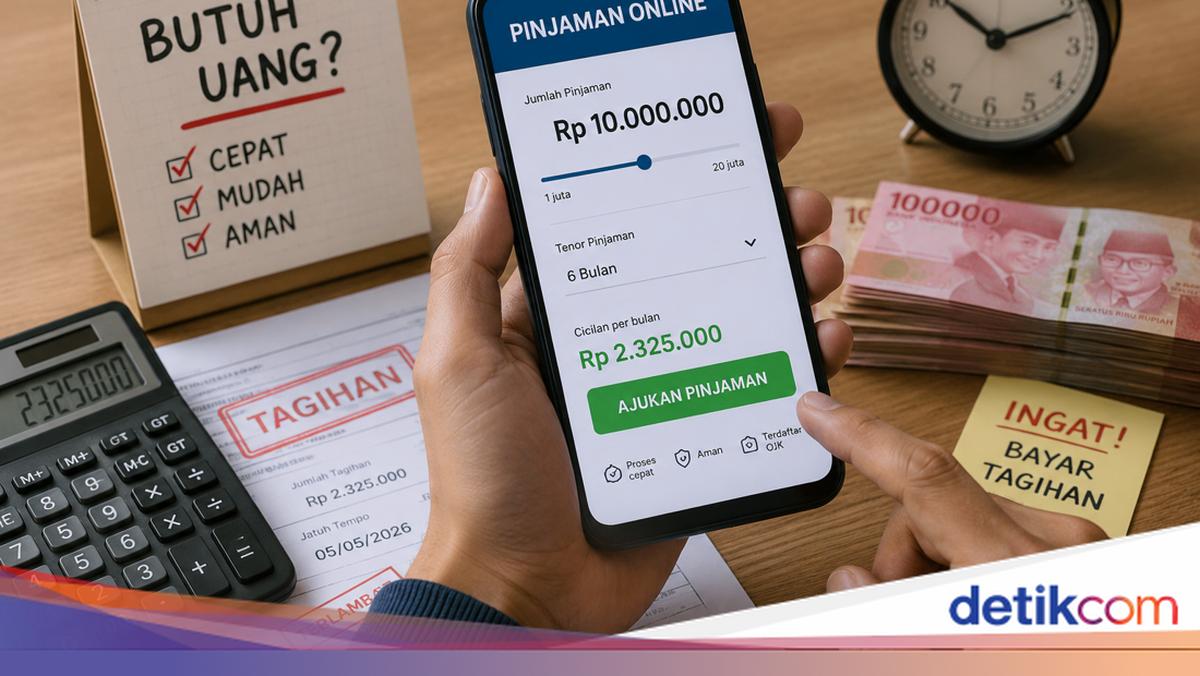
The survival patterns of Indonesian society have entered a worrying phase. Previously, people relied on savings to cover their needs, but this is now shifting towards utilising loans, particularly through digital financial services. According to detikFinance, this phenomenon is reflected in the rising outstanding debt of the public on online lending (pinjol) and buy now pay later (BNPL) or paylater services. Based on a report from the Financial Services Authority, outstanding debt on peer-to-peer (P2P) lending or pinjol services reached Rp100.69 trillion in February 2026. This figure increased by 25.75 per cent compared to the same period the previous year on a year-on-year (yoy) basis. In the same period, PT Pefindo Biro Kredit (IdScore) recorded significant growth in buy now pay later (BNPL) or paylater transactions. IdScore noted paylater growth of 86.7 per cent year-on-year (yoy), reaching Rp56.3 trillion by the end of February 2026. Senior INDEF economist Tauhid Ahmad stated that this data on the growth of outstanding pinjol and paylater debt indicates that society is increasingly relying on loans to meet daily needs. “Looking at the growth, it means it’s getting higher over time, right? That means society clearly has more and more debt over time. I think this is not a good sign because most of these loans are for consumption. I think that’s what we’re seeing rather than productive loans for business,” Tauhid told detikcom. However, the problem is that these lending services come with interest that must be paid along with the principal debt, making the expenditure burden even heavier. “Indeed, the non-performing loan (NPL) rate is still relatively controlled. But the burden on society with such high interest rates. This makes society end up in a cycle of digging a hole to fill another. Just finished one, they borrow another. That’s what I think is making society’s financial condition increasingly unhealthy,” he explained. At the same time, Tauhid said that the growth rate of savings below Rp100 million held by customers in Indonesia is not growing significantly enough. This reflects that public deposits, especially among the lower and middle classes, are actually decreasing. “I think for this lower group, they borrow not because they have savings, but because their savings are small. If they have any, they would surely pay cash. Usually, people with money don’t pay using paylater or pinjol; they pay directly,” Tauhid clarified. Because of this, Tauhid opines that there is currently a shift from the phenomenon of ‘eating into savings’ to ‘eating debt’ to survive. Although this situation does not occur in all segments, particularly among the lower middle class. “In fact, those with small or no savings are likely the biggest consumers of online loans like this,” Tauhid emphasised.