
Indonesian Red Cross Urges Blood Donation Ahead of Eid Holidays to Support Dengue Patients
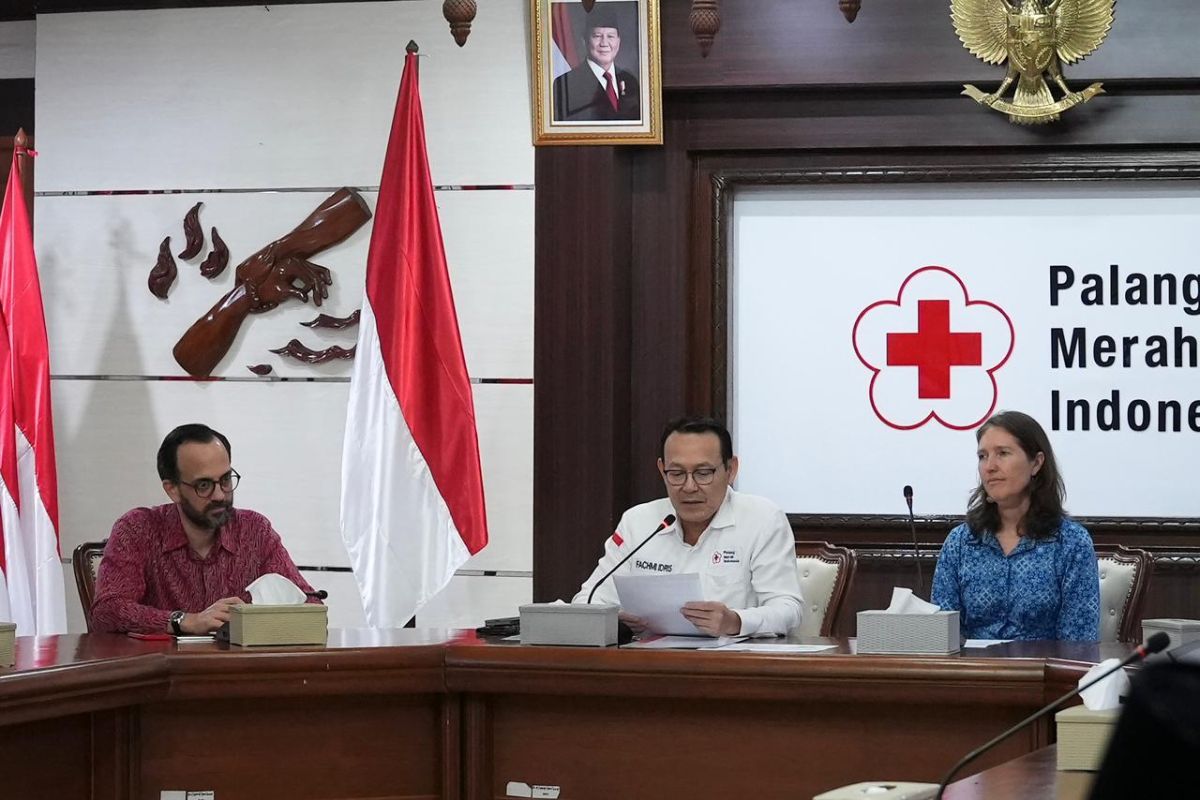
Jakarta - The Indonesian Red Cross (PMI) has invited the public to continue donating blood ahead of the Eid holiday travel period to maintain national blood stock availability, particularly to meet the needs of dengue fever patients amidst a downward trend in donor numbers during the Islamic month of Ramadan.
The Chairperson of PMI’s East Jakarta District Board, Drs. H.R. Krisdianto, M.Si, stated that the decline in blood donors during the fasting month often occurs because some members of the public worry that their physical condition will weaken after donating blood.
“We must acknowledge that during Ramadan there is a decline, perhaps because people fear that their blood loss will weaken them while fasting. However, this decline is not significant,” Krisdianto said in Jakarta on Thursday.
He acknowledged that blood stock supplies have indeed declined in recent weeks. According to him, the number of donors in blood donation activities in Jakarta previously stood at approximately 5,000 people, but blood requirements must still be maintained to meet hospital needs.
PMI has also confirmed that blood stock availability currently remains sufficient to meet demand and there have been no reports of shortages in particular blood types. As an additional precautionary measure, PMI has activated emergency reserves and strengthened cross-regional coordination, including with the DKI Jakarta Provincial Government, to ensure blood distribution remains secure.
On another front, dengue control efforts have been strengthened through the launch of the “United Against Dengue” alliance by biopharmaceutical company Takeda Pharmaceutical Company in conjunction with the International Federation of Red Cross and Red Crescent Societies (IFRC) and PMI in Indonesia. This initiative aims to strengthen dengue fever prevention through cross-sector collaboration, enhanced public education, and community-based interventions.
Globally, according to World Health Organization data, approximately 14.6 million dengue cases and 12,000 deaths were recorded in 2024. Meanwhile in Indonesia, data from BPJS Kesehatan shows more than 1.05 million dengue-related hospital admissions in that same year, with an economic burden of nearly Rp3 trillion. The collaboration is expected to strengthen education, policy advocacy, and community empowerment to reduce dengue transmission and mortality rates.