
Indonesian National Police ensure transparency and accountability in nutritional service unit management
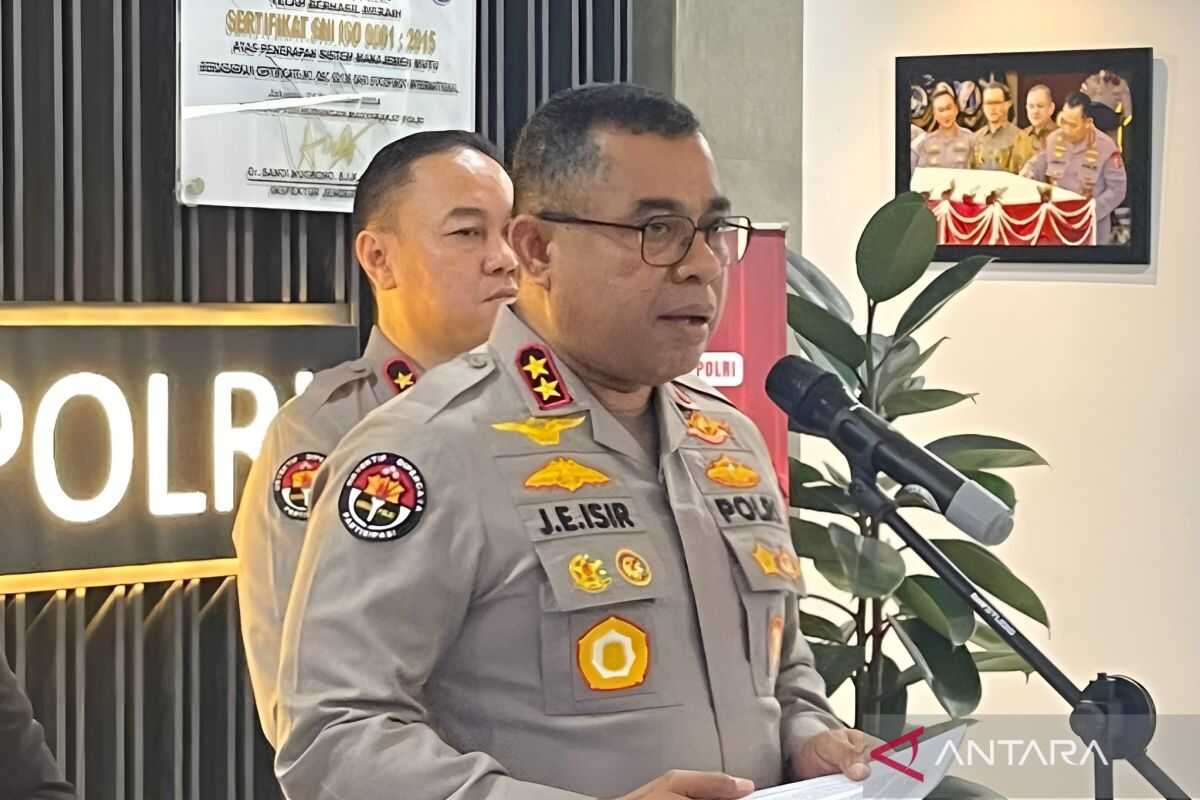
Jakarta – The Indonesian National Police (Polri) has ensured that transparency and accountability serve as fundamental principles in the governance of its Nutritional Service Units (SPPG).
This commitment was conveyed by Polri’s Public Relations Division Head, Inspector General Johnny Eddizon Isir, to ANTARA news agency in Jakarta on Wednesday, in response to a request by Indonesia Corruption Watch (ICW) to the Anti-Corruption Commission (KPK) to oversee Polri’s SPPG operations due to concerns about potential irregularities in its management through the Kemala Bhayangkari Foundation.
Johnny explained that the Kemala Bhayangkari Foundation is collaborating with the National Nutrition Agency (BGN) to serve as the frontline implementation body for the Free Nutritious Meals programme (MBG) through the establishment of SPPGs.
This initiative represents Polri’s support and contribution to the success of the government’s priority programme. In its implementation, transparency and accountability are paramount considerations.
“Transparency and accountability serve as fundamental principles in the governance and implementation of SPPG by Polri through the Kemala Bhayangkari Foundation,” he stated.
Regarding the letter submitted by ICW to the KPK, Isir stated that Polri remains open to criticism and suggestions from the public.
“In essence, as emphasised by Police Chief General Listyo Sigit Prabowo, Polri is a civil institution in public service and is open to constructive suggestions, inputs, and criticism,” he said.
Yassar Aulia, ICW’s Advocacy Division staff member, stated that the request was prompted by concerns about significant irregularities in the management of the programme through the Kemala Bhayangkari Foundation.
“If we examine the technical guidelines from BGN that were recently released in December, certain privileges were granted to the police force in managing SPPG operations. One notable example is that they are not restricted in managing SPPGs,” Aulia said.
He continued, “Generally, foundations are limited to managing only 10 SPPGs, but the police force faces no such restrictions at all. This has the potential to create imbalances in the management of this project.”
Additionally, Aulia stated that the KPK needs to oversee Polri’s SPPG operations given the consideration of complimentary daily incentives of Rp6 million per SPPG unit for six days, applicable for a two-year period from the start of operations.
He noted that if the operational year begins in 2026, there would be 313 operational days. Accordingly, the projected annual earnings for each SPPG would reach approximately Rp2.2 trillion per operational year.
“This is in addition to operational funds and initial funding provided by BGN of approximately Rp500 million,” he added.