
Indonesian Ministry of Forestry Denies Deforestation Allegations by Wood Pellet Industry
JAKARTA, KOMPAS.com - The Indonesian Ministry of Forestry stated the government’s commitment to sustainable forest management. The government emphasises that forest management takes into account ecological, social, and economic aspects.
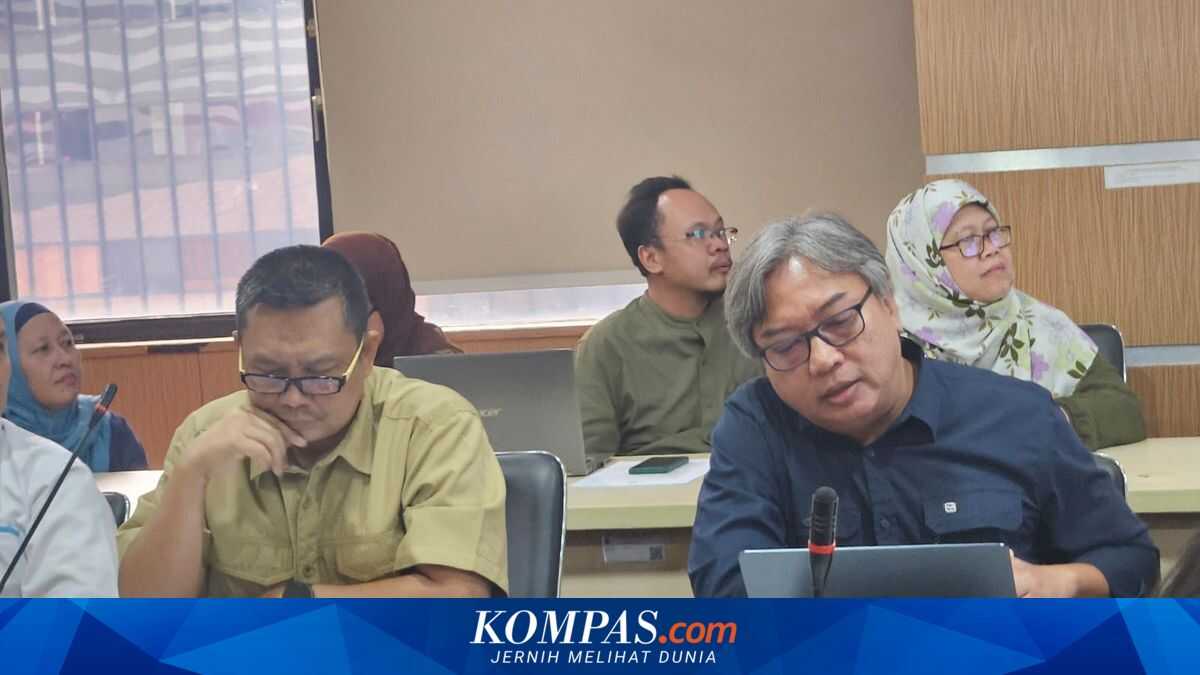
The explanation was conveyed by Ade Mukadi, Director for Processing, Marketing of Forest Products at the Ministry of Forestry, during an audience with two Japanese companies, Tokyo Gas Co. Ltd. and Hanwa Co. Ltd.
Both companies are buyers of wood pellets from PT Biomasa Jaya Abadi (BJA), a company operating in Pohuwato Regency, Gorontalo Province.
The meeting followed concerns raised by several non-governmental organisations in Japan alleging that the development of the wood pellet industry in Indonesia triggers deforestation.
“We are very committed to sustainable forest management. Therefore, we pay close attention to the issue of the European Union Deforestation Regulation (EUDR), as well as matters of feasibility, legality, and sustainability. Those are the principles we uphold in forest governance,” Ade said in a press release on Friday (6 March 2026).
The government has also integrated a geolocation-based monitoring system to enhance traceability of timber harvesting.
Transport and export documents are recorded digitally along with their geographic coordinates. This system allows stakeholders to verify the supply chain via a digital platform and QR codes.
In the meeting, Tokyo Gas and Hanwa asked about the mechanism for controlling deforestation through the implementation of the Annual Work Plan for forest utilisation.
The questions also touched on biodiversity protection practices as well as protection of rare flora and fauna.
Ade explained that the Annual Work Plan is a mandatory operational planning document for forestry companies in Indonesia. The document is prepared each year as part of the long-term business plan.
“In the AWP, there are protected areas that cannot be felled. So not all stands may be cut. There is also protection for wildlife. Of course we pay close attention to the economic, ecological, and sustainability aspects of the AWP,” Ade said.
This article is part of Lestari KG Media, an initiative to accelerate the Sustainable Development Goals. More.