
Indonesian Households Increase Savings During Ramadan, Reduce Spending and Debt
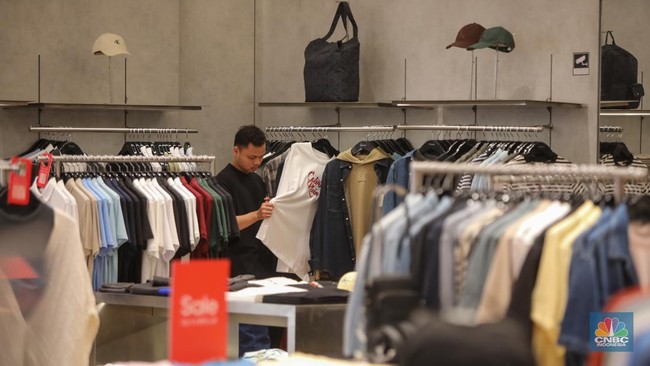
Jakarta, CNBC Indonesia — A consumer survey conducted by Bank Indonesia during February 2026, coinciding with the onset of Ramadan 2026, demonstrates that Indonesian households are increasingly allocating less of their income towards consumption.
During the month, survey respondents showed a strong tendency to increase their savings proportion from their income. This shift is reflected in the average propensity to consume ratio, which fell to 71.6% from 72.3% in the preceding month.
“The average proportion of consumer income allocated to consumption stood at 71.6%, lower compared with the proportion in the previous month,” according to the Bank Indonesia Consumer Survey for February 2026, released on Monday, 9 March 2026.
Meanwhile, the debt instalment-to-income ratio also decreased to just 10.6%, down from 11.2% in the previous month.
Conversely, the savings-to-income ratio increased to 17.7%, higher than the previous month’s 17.7%, which stood at 16.5%.
Bank Indonesia also noted that the proportion of consumption relative to income declined across all expenditure groups. For households spending IDR 1–2 million monthly, the income proportion allocated to consumption fell from 74.5% to 72.9%.
For the IDR 2.1–3 million expenditure group, the consumption proportion declined from 72.7% to 72.6%; the IDR 3.1–4 million group fell from 72% to 70.9%; the IDR 4.1–5 million group decreased from 72% to 71.3%; and households with expenditure above IDR 5 million saw a reduction from 70.1% to 68.8%.
The savings ratio for all expenditure groups increased. The IDR 1–2 million monthly spending group saw its savings-to-income ratio rise from 17.4% in January 2026 to 18.6% in February 2026.
The IDR 2.1–3 million monthly group increased from 15.5% to 16.8%; the IDR 3.1–4 million group rose from 15.3% to 17.5%; the IDR 4.1–5 million group increased from 14.8% to 16.1%; and the highest spending group, above IDR 5 million monthly, also rose from 17.5% to 18.5% of income allocated to savings.
“The proportion of income saved increased across all expenditure groups, with the highest increase occurring in the IDR 3.1–4 million expenditure group,” according to the Bank Indonesia Consumer Survey results.
This trend aligns with the February 2026 Consumer Confidence Index (IKK), which also declined. The February IKK stood at 125.2, lower than January 2026’s level of 127.
Bank Indonesia’s Consumer Survey is a monthly survey conducted since October 1999. Since January 2007, the survey has covered approximately 4,600 households using stratified random sampling across 18 cities: Jakarta, Bandung, Bodebek, Semarang, Surabaya, Medan, Makassar, Bandar Lampung, Palembang, Banjarmasin, Padang, Pontianak, Samarinda, Manado, Denpasar, Mataram, Pangkal Pinang, Ambon and Banten.
City indices are calculated using the balance score method (net balance + 100), which indicates that an index above 100 denotes optimism whilst below 100 indicates pessimism.