
Indonesian Government pushes pesantren students' skills for workforce access
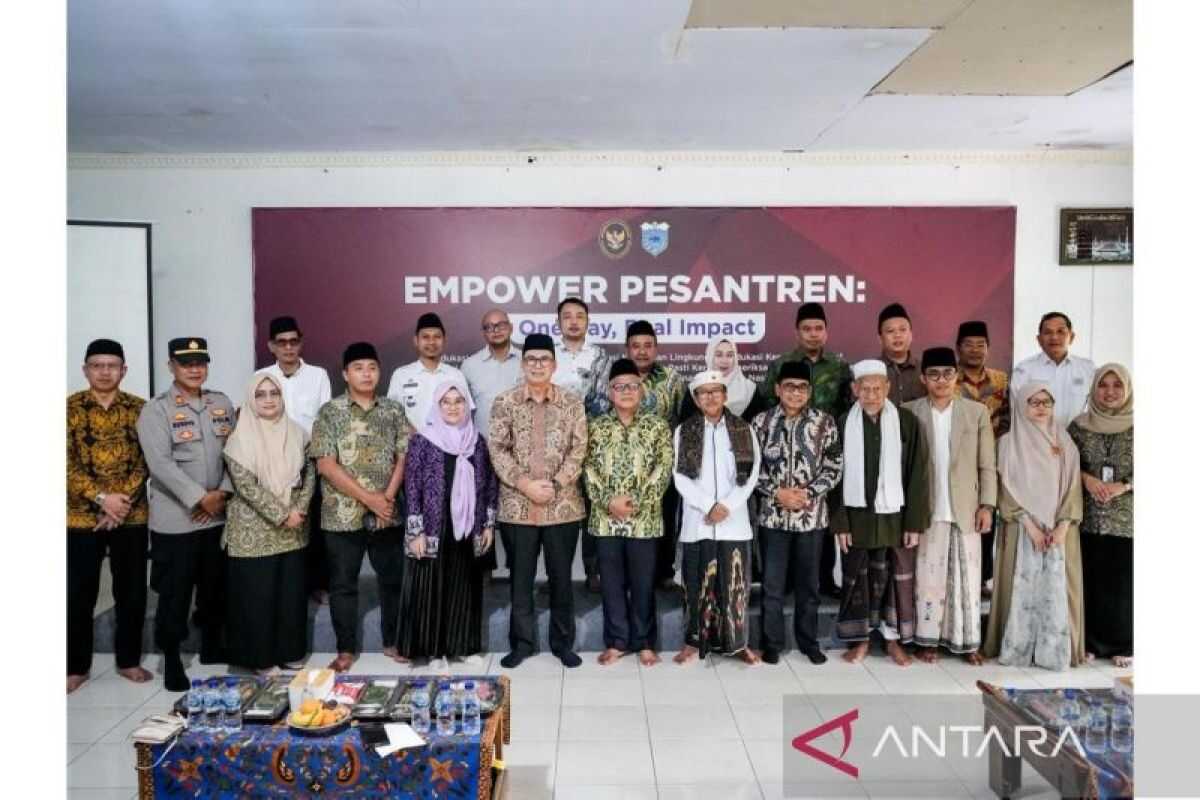
Deputy for Social Welfare Coordination Nunung Nuryartono said in Jakarta on Thursday that government programmes ensure every activity includes community empowerment, and that pesantren, as a key pillar, must start economic empowerment at the grassroots.
He spoke at the Empowerment Pesantren: One Day, Real Impact event at Pondok Pesantren Labibah Muawanah in Pandeglang, Banten.
Nunung noted these efforts complement religious education and character building for students, providing broader preparation for professional life.
The ministry also facilitates alumni employment through partnerships with PT Permodalan Nasional Madani (PNM), linking graduates to job opportunities in industries.
This collaborative model has been applied in industrial areas including Semarang, Batang and Kendal, opening pathways for pesantren graduates to enter the workforce.
“So pesantren alumni can secure jobs,” Nunung said.
Beyond employment, the programme strengthens social protection through BPJS Kesehatan and BPJS Ketenagakerjaan, ensuring students and graduates receive health insurance and labour protections under national programmes.
Nunung added that pesantren transformation requires an integrated approach across education, employment and social protection.
“Collaboration is key, unity is a pillar. We will continue engaging pesantren as strategic partners to empower their communities, ensuring students, especially from poor and extremely poor groups, gain employment,” he said.