
Indonesian Government Prepares Response to US Trade Investigation, Discusses Production Capacity and Forced Labour Concerns
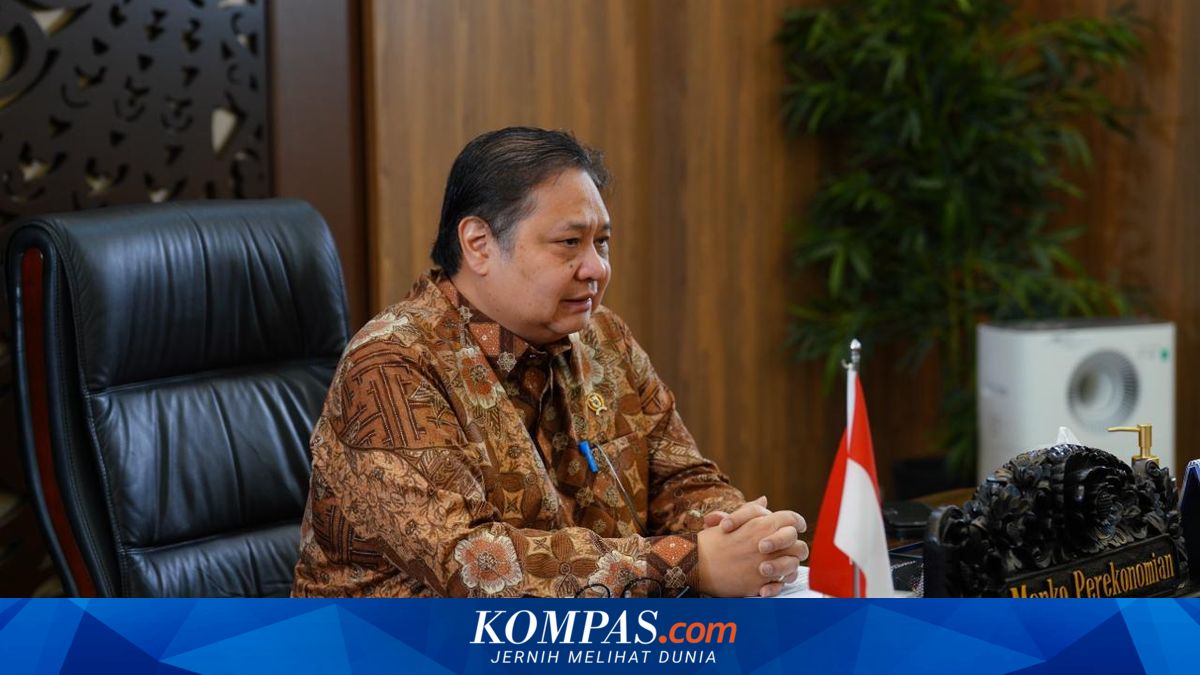
The Indonesian government is preparing measures to respond to a trade investigation conducted by the United States Trade Representative (USTR) through the Section 301 mechanism.
Coordinating Minister for Economic Affairs Airlangga Hartarto stated that the government will engage with business players and industry associations to formulate a response.
“Tomorrow we will invite relevant ministries and agencies, the Ministry of Trade, the Indonesian Chamber of Commerce and Industry (Kadin), the Indonesian Employers’ Association (Apindo), and other industry associations,” Airlangga said during a media briefing at the Coordinating Ministry for Economic Affairs in Jakarta on Monday (16 March 2026).
The meeting will focus on two main areas: production capacity and forced labour practices.
The results of the discussion will form the basis for the government’s response to the US investigation. Airlangga noted that Indonesia has previously addressed such issues through the Agreement on Reciprocal Trade (ART).
The Indonesian government is also monitoring policy developments in the United States. A Supreme Court decision and a global tax policy applicable for 150 days have prompted the US government to prepare an additional instrument in the form of Section 301.
After the investigation phase, the US government will open consultations with affected countries. Indonesia will be included in this process to find the most appropriate solutions.
The Indonesian government is also coordinating with the US Ambassador regarding further steps that need to be prepared.
The government is mindful of potential risks from the investigation, including the possible imposition of additional tariffs, customs duties, and import quotas on certain products.
In parallel, the government is also protecting the export-oriented manufacturing sector to ensure that industry players continue to meet market demand.