
Indonesian Government Prepares Arguments and Evidence Ahead of Anticipated USTR Investigation
The Indonesian government is preparing robust arguments and evidence in anticipation of a planned investigation by the United States Trade Representative (USTR).
This move follows a US Supreme Court decision that invalidated the International Emergency Economic Powers Act (IEEPA) 1977. Subsequently, the USTR issued a series of investigations under Section 301 within the framework of trade cooperation with various countries, including Indonesia.
The investigations target foreign actions, policies, and economic practices alleged to trigger excess capacity in the manufacturing sector. Additionally, the investigation also encompasses alleged failures to implement bans on importing goods produced using forced labour.
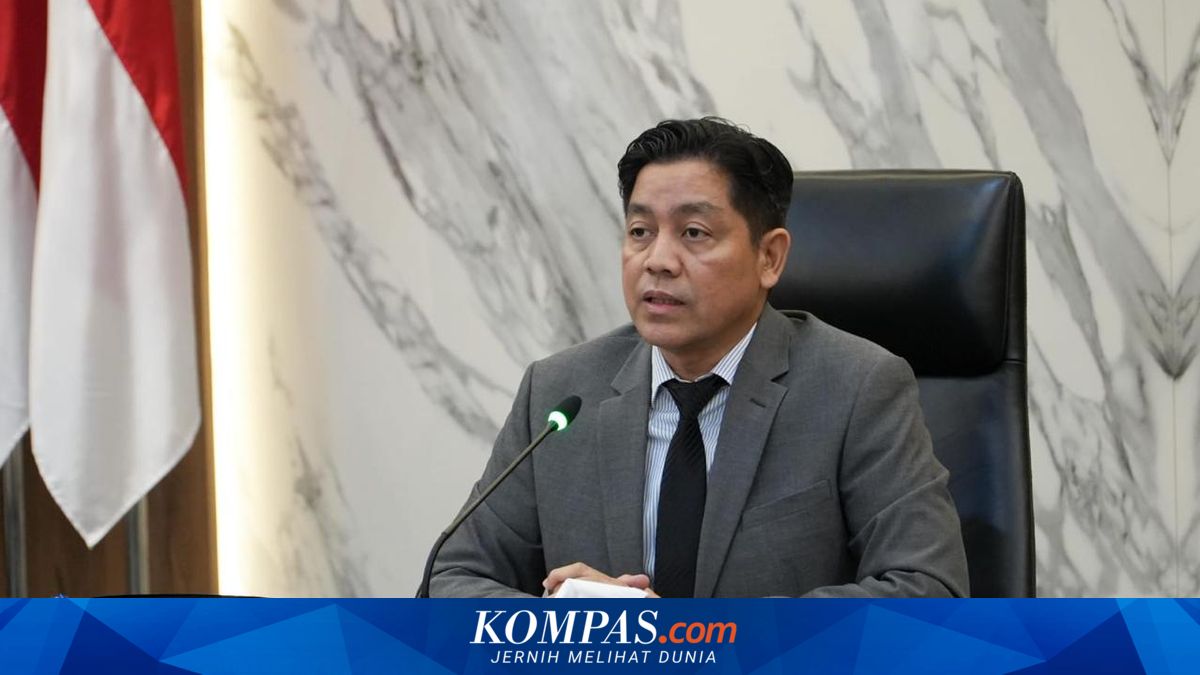
Haryo Limanseto, spokesperson for the Coordinating Ministry for Economic Affairs (Kemenko), stated that the government had prepared anticipatory measures from the outset.
To address the process, the Ministry for Economic Affairs, together with relevant agencies and associations, has conducted consolidation. The aim is to ensure that all submissions are aligned and strengthen Indonesia’s position in the investigation.
“Moving forward, it is necessary to establish a coordination team to follow up on this investigation, including holding consultation sessions with the USTR. We hope the consultation process can proceed more quickly by presenting evidence that regulations have been established,” said Haryo.
The cross-agency coordination team will prepare arguments based on legal analysis, regulations, and data. This measure aims to demonstrate that Indonesia has regulations concerning antidumping practices, countervailing measures, and forced labour prohibitions.
Additionally, the government will also prove that the manufacturing sector’s production capacity in Indonesia complies with international trade regulations, including efforts to enforce laws against potential violations.
“Regarding excess manufacturing sector production capacity that is exported, it does not violate World Trade Organization (WTO) rules as long as there is no dumping practice or other unfair trading practices, such as predatory pricing,” Haryo concluded.