
Indonesian Government Anticipates USTR Investigation, Prepares Strong Arguments and Evidence
The Indonesian government is preparing to face a potential trade investigation from the United States Trade Representative (USTR) by assembling strong arguments and evidence. This step is being taken in response to recent developments in United States trade policy.
Following the US Supreme Court’s decision to strike down the International Emergency Economic Powers Act (IEEPA) of 1977, the USTR has issued several investigations under Section 301 as part of its ongoing process for conducting trade cooperation with other countries, including Indonesia.
The investigations focus on certain foreign actions, policies, and economic practices that allegedly create or maintain excess capacity and structural overproduction in the manufacturing sector. Additionally, they address failures in effectively enforcing and implementing prohibitions on goods produced using forced labour.
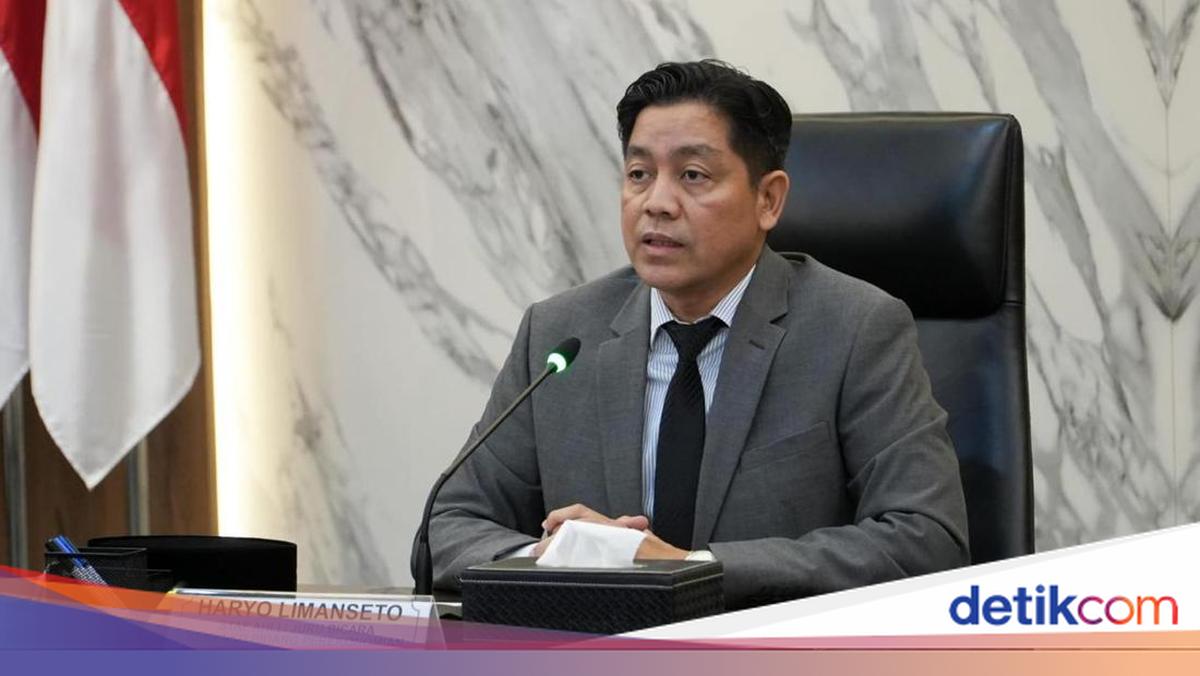
“Therefore, the Indonesian government is seeking to anticipate this from the outset, ensuring that the preparation process for the investigation requirements is handled thoroughly. These two matters have already been discussed in the Agreement on Reciprocal Trade (ART), so what is most important now is for us to prepare arguments demonstrating that Indonesia has already implemented or possesses provisions that will safeguard these matters,” said Haryo Limanseto, spokesperson for the Coordinating Ministry for Economic Affairs, on Wednesday (17 March 2026).
To address the planned USTR investigation, the Coordinating Ministry for Economic Affairs has already conducted consolidation activities with relevant government agencies and business associations. The aim is to ensure all inputs provided for the investigation process are aligned and supportive of the findings, thereby strengthening arguments that Indonesia’s conditions differ from those of certain other countries.
“Going forward, there is a need to establish a coordination team to follow up on this investigation process and conduct consultation sessions with the USTR. We hope the consultation process can proceed faster than scheduled, with us providing evidence that we have implemented the established regulations,” Haryo said.
The coordination team comprises inter-agency personnel preparing arguments and evidence based on legal analysis, regulation, and data. This evidence aims to demonstrate that Indonesian regulation addresses anti-dumping practices, countervailing measures, and forced labour.
Additionally, evidence will demonstrate that Indonesia’s manufacturing sector production capacity complies with international trade rules, prohibitions on forced labour, and includes legal action against any violations that may occur.
“Regarding excess manufacturing sector production capacity that is exported, this does not violate WTO rules provided there are no dumping practices or other unfair trading practices, such as predatory pricing,” Limanseto concluded.