
Indonesian Fishing Vessel Captain Jailed for Illegal Sea Cucumber Harvest in Australia
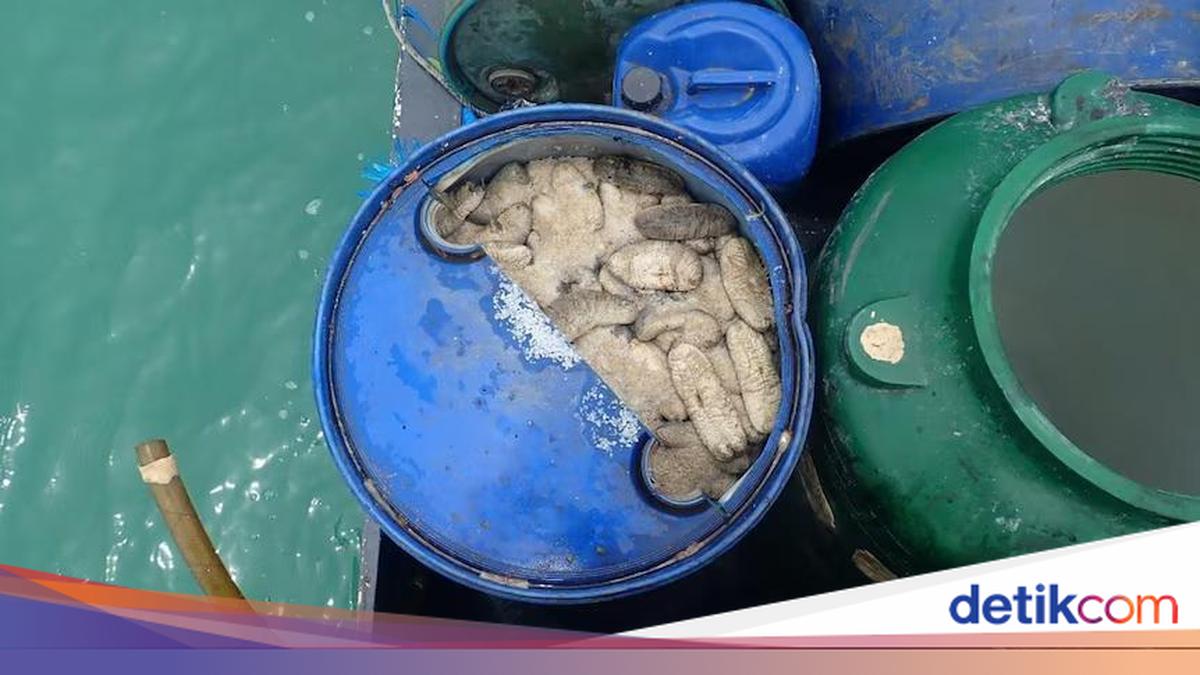
An Indonesian fishing vessel captain has been imprisoned after authorities found almost two tonnes of sea cucumbers from illegal catches in Australia.
The vessel, hidden in the mangroves of a tributary near Escape River in the Cape York Peninsula, was discovered by Australian Border Force officers earlier this month.
Authorities seized around 1,950 kilograms of sea cucumbers, along with various fishing equipment.
The captain was sentenced to two months in prison after pleading guilty in Darwin Local Court to illegal fishing in Australian waters.
He had previously been detected entering Australian waters illegally once before, the Maritime Border Command said in a statement.
The other six crew members also pleaded guilty to breaches of the federal Fisheries Management Act and were granted good behaviour bonds.
They will all be returned to Indonesia by the Border Force, with the captain to be deported after serving his prison sentence.
Pearl farmer Rusty Tully alerted authorities to the foreign vessel after seeing the fishermen “standing knee-deep in water, searching for sea cucumbers, known as béche-de-mer.”
Lucrative catch
Veteran Cairns fisherman Dave McAtamney said sea cucumbers can sell for up to A$50,000 (about Rp550 million) per tonne.
“Whether they get that much, who knows?” he said.
“They won’t get market price.
In the end, they’re just trying to survive.”
McAtamney, who has been in the commercial fishing business for more than 40 years, said sea cucumbers, or béche-de-mer, are a “traditional food” in high demand in China.
“[It’s] one of the top five, or top seven, on the plate along with abalone, live lobster, and shark fin,” he said.
“If there’s a special dinner or special banquet, this is what will appear on the menu.”
The Indonesian crew were arrested weeks after Operation Broadstaff, a joint federal response aimed at cracking down on illegal vessels entering Queensland waters.
The fishermen found near Escape River are among 153 Indonesian fishermen prosecuted by the Australian Fisheries Management Authority in Darwin Local Court since 1 July last year.
Tully said army reserve forces from the 51st Battalion, a surveillance unit based in Far North Queensland, had recently been in the area.
Meanwhile, McAtamney said Escape River is on the northern boundary of the east coast fishery, an area well known to Indonesian crews.
“Someone could be paying them for the product they bring home,” McAtamney said.
He said illegal foreign fishermen were likely to return in the next wet season, and authorities should involve more local residents from Cape York and the Torres Strait with boats capable of patrolling narrow rivers and mangroves.
“We need locals who have good local knowledge,” he said.
“Torres Strait Islanders are some of the greatest seafarers you’ll ever meet.”