
Indonesian Citizens Top Global Rankings for Microplastic Consumption; Sources Identified
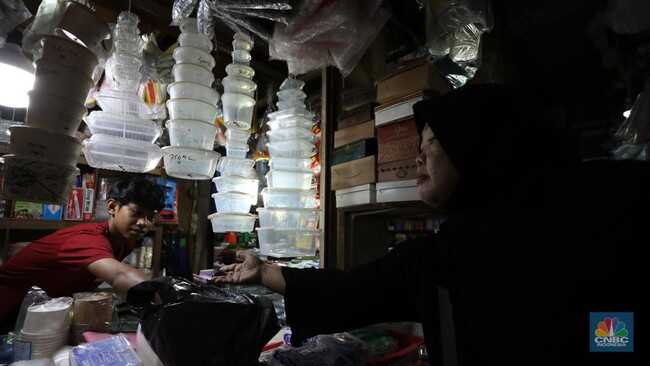
Unbeknownst to many, microplastic consumption has become part of everyday life for Indonesian residents. Recent findings reveal that exposure to these microscopic plastic particles occurs almost daily through food and beverages consumed by the population.
A groundbreaking study has revealed a startling fact: Indonesia is recorded as the world’s leading country for microplastic consumption rates, surpassing other nations in both Southeast Asia and globally.
Microplastics are plastic fragments measuring less than 5 millimetres that can enter the human body. Exposure to this substance is linked to serious health risks, ranging from respiratory disorders, inflammatory bowel disease, heart attacks, to certain types of cancer.
Based on the research, the average Indonesian resident consumes approximately 15 grammes of microplastics monthly. Following Indonesia, the countries with the next highest rates of microplastic consumption are Malaysia and the Philippines.
Below are five major products identified as sources of microplastic exposure:
Plastic cutting boards: According to research conducted by the American Chemical Society (ACS), plastic cutting boards can expose humans to as many as 79.4 million polypropylene microplastics—a type of plastic polymer—annually. This means plastic cutting board use potentially increases microplastic transfer to food. Tempered glass cutting boards are an affordable alternative that are easy to clean and typically microplastic-free. Some brands also offer plastic-free cutting boards made from durable paper fibres.
Tea bags: Interestingly, many tea bags are made from polypropylene plastic that is environmentally unfriendly, and even paper tea bags can contain plastic residue in their sealing layer. A 2023 study published by Dow University of Health Sciences demonstrated how hot water used to brew tea can release millions of microplastics from tea bags. The study revealed that a single cup of tea can contain up to 3.1 billion nanoplastics from the tea bag. Tea bags are said to contain harmful substances, including fluorine compounds, arsenic, radium salts, aluminium, copper, lead, mercury, cadmium, barium, and nitrates. Environmentally friendly alternatives for brewing tea include using cast-iron kettles or metal strainers. The Plastic Pollution Coalition recommends using cotton tea bags or straining tea through organic linen.
Plastic ice cube trays: Similar to microplastics found in bottled water, plastic ice cube trays can also cause contamination. Although research on this remains limited, plastic freezing can cause microplastics to dissolve into water, similar to the process that occurs when plastic is heated, according to a professor interviewed by HealthCentral. In recent years, more environmentally friendly options have become popular, such as stainless steel ice cube trays. Silicone ice cube trays are promoted as sustainable alternatives considered healthier.
Microwave-safe food containers: Plastic products labelled as microwave-safe can release substantial amounts of microplastics into food when heated. A 2023 study conducted by researchers at the University of Nebraska-Lincoln found up to 4 million microplastics per square centimetre in certain microwave-safe plastic-packaged baby food. It is advisable to avoid products packaged with phthalates, styrene, and bisphenol, which are chemicals associated with various plastics, according to a paper from the American Academy of Paediatrics.
Paper cups: Using paper cups for hot beverages can cause the release of various chemicals, including fluoride, chloride, sulphate, and nitrate. This was revealed in a 2021 study published in the Journal of Hazardous Materials. Choosing airtight and stainless steel drinking containers is a wise choice. Airtight drinking containers can also be reused, benefiting not only the environment but also reducing microplastic exposure.