
Indonesian Army Denies Role in Tax Collection Amid Public Concern
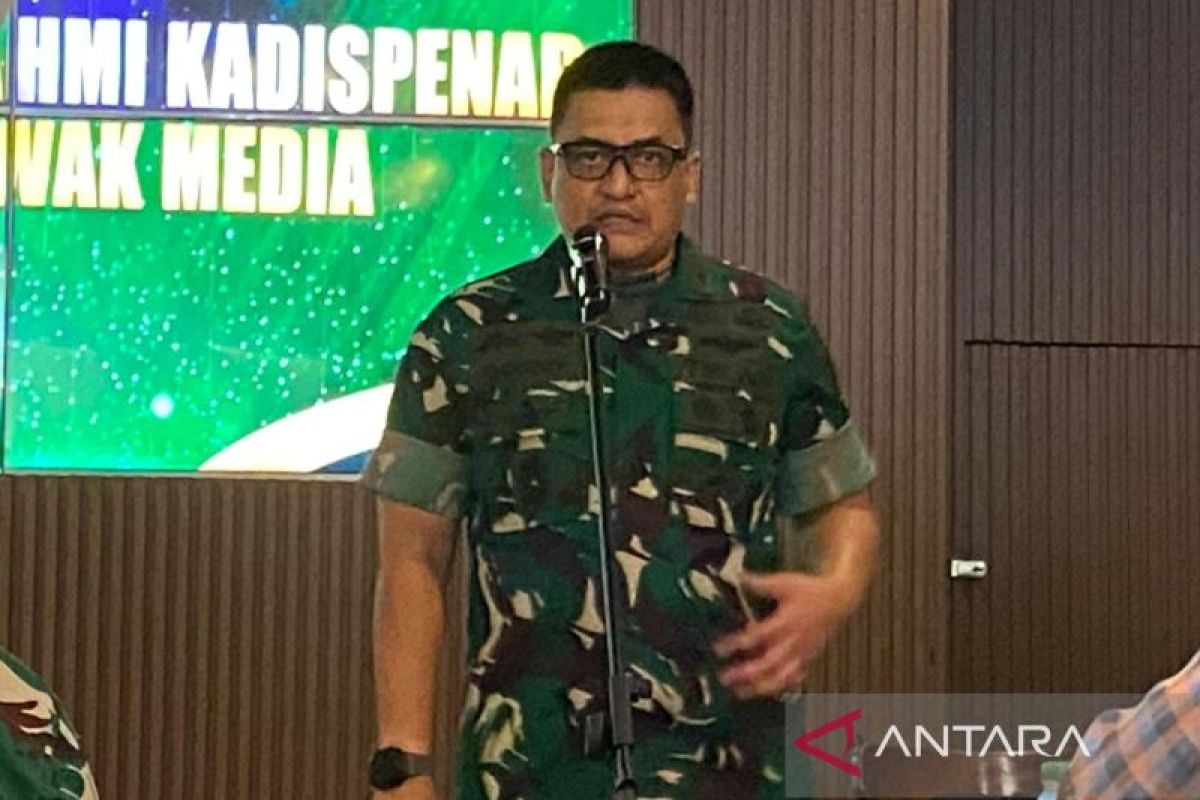
The Indonesian Army (TNI AD) has asserted that it is not tasked with collecting taxes or taking action against citizens regarding tax payments. The statement was made by Army Information Chief Brigadier General Donny Pramono in Jakarta on Wednesday, addressing the controversy surrounding a circular from the Directorate General of Taxes (DJP) at the Ministry of Finance.
“We are not granting authority to Babinsa to conduct supervision, audits, tax collection, or law enforcement in the field of taxation,” Donny stated. He explained that the army’s involvement was mentioned in DJP Circular Number SE-8/PJ/2026, specifically within the context of data collection and building information networks to support the DJP’s duties. The circular referenced Bintara Pembina Desa (Babinsa) and Bhayangkara Pembina Keamanan dan Ketertiban Masyarakat (Bhabinkamtibmas) in this regard.
“In that context, the mention of Babinsa and Bhabinkamtibmas is within the aspect of building regional information networks,” Donny clarified. He added that the TNI AD has not issued any specific orders to soldiers regarding the handling of public taxation. Donny assessed that the DJP circular was merely part of inter-agency coordination and collaboration efforts in carrying out state duties. “For the TNI AD, the duties of Babinsa remain guided by the provisions of laws and regulations governing territorial development, defence area empowerment, social communication, and regional resilience development,” he said.
Director General of Taxes Bimo Wijayanto also confirmed that the involvement of Babinsa and Bhabinkamtibmas is not for audit or tax collection functions, but solely to support coordination in information gathering. “So, village officials and others coordinate with us, not that they are narrated as executors of tax audits or collections, not at all,” Bimo said during the APBN KiTa July 2026 press conference in Jakarta on Tuesday. The issue arose after the DJP issued Circular Number SE-8/PJ/2026 concerning Guidelines for Taxpayer Compliance Supervision. Bimo explained that the presence of regional elements is not the primary instrument in monitoring taxpayer compliance, as the DJP now relies more on technology utilisation, such as Coretax and geotagging-based monitoring.