
Indonesian Aquatics Examines Formation of Water Polo Association
Jakarta — The Executive Board of the Indonesian Aquatics Federation is examining the formation of a water polo association as a separate organisation that will remain under the Indonesian Aquatics Federation, to strengthen development and sustainability of the team sport.
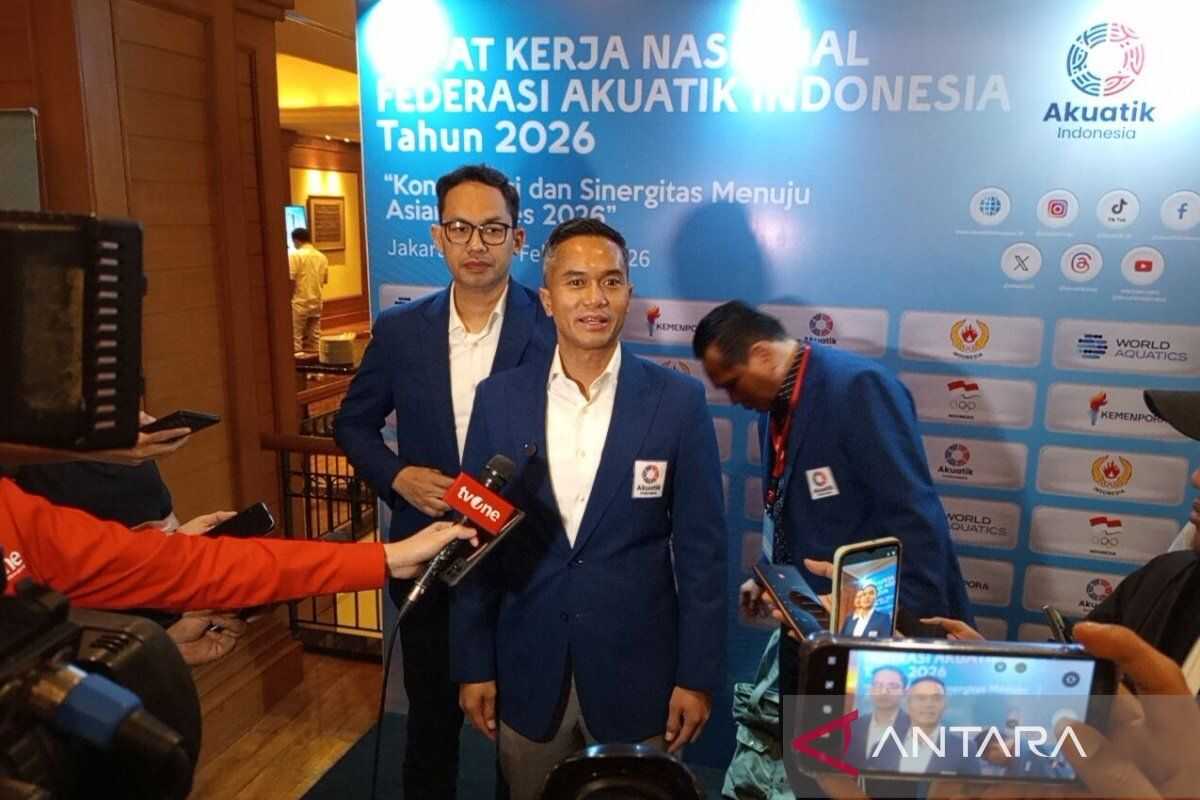
Chairman of the Indonesian Aquatics Federation Anindya Novyan Bakrie stated that the proposal was one of the main points of focus during the national working meeting held over the past two days.
“Water polo could be called the football of water, which is why it requires more specific focus to ensure its sustainability, both in terms of development, funding, and competitive advancement,” he said after closing the 2026 National Working Meeting of the Indonesian Aquatics Federation in Jakarta on Saturday.
According to him, the character of water polo differs considerably from other aquatic disciplines, such as swimming, artistic swimming, diving, and open water swimming.
He added that the examination was also driven by Indonesian water polo’s consistent competitive achievements, which have brought pride to the nation.
Indonesia won gold at a championship in the Philippines, and silver and bronze medals at several recent competitions.
He expressed optimism that the examination and formation of the association could be realised this year.
Provincial administrators noted that young swimmers competing in the recent SEA Games can serve as a foundation for the 2026 Asian Games, world championships in 2027, and the Los Angeles Olympics 2028.
The success of development programmes was attributed to a student-athlete initiative that sends young athletes to train and study in the United States, Canada, and Australia, with support from the private sector.
The working meeting also emphasised strengthening coaching quality to meet international standards, given the Indonesian Aquatics Federation’s close relationship with World Aquatics.
The federation received recommendations regarding athlete nutrition, and the use of sports science and data to enhance performance.
“All of this is part of a comprehensive effort to ensure Indonesia’s aquatic sports achievements continue to grow and remain sustainable,” he added.