
Indonesian Ambassador: Downstreaming a Priority in Indonesia-China Cooperation
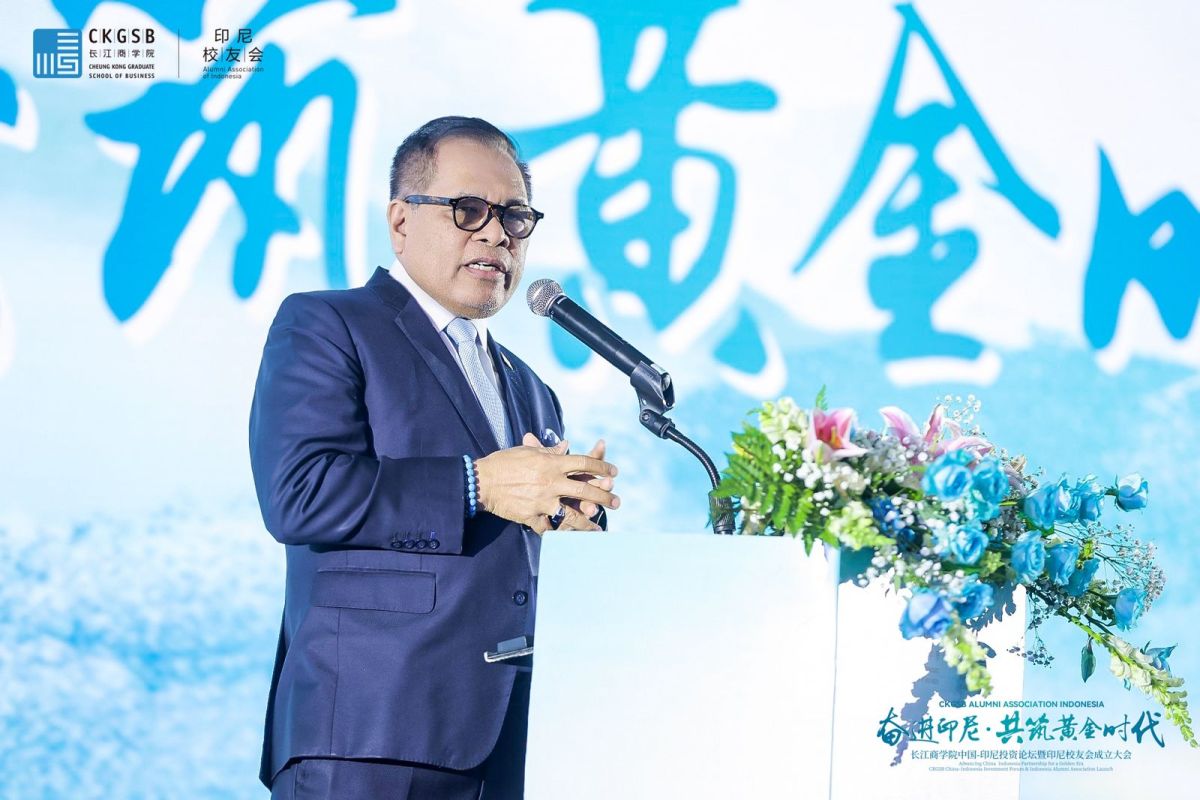
Jakarta (ANTARA) - Indonesian Ambassador to China Djauhari Oratmangun stated that Indonesia-China economic cooperation is currently prioritised in national strategic sectors, particularly industrial downstreaming.
“First priority is downstreaming, as I have personally witnessed that nickel downstreaming has led to exports of derivative products exceeding 1,000% growth to China last year,” he said in Jakarta on Tuesday (26/5).
Meeting during the Indonesia-China business forum and the establishment of the Cheung Kong Graduate School of Business (CKGSB) Alumni Association, Djauhari said downstreaming collaboration includes developing electric vehicle ecosystems and industrial hubs across regions.
He also identified opportunities in energy transformation, including waste-to-energy (WtE), solar panels, and electric vehicles.
Beyond the industrial sector, Djauhari highlighted durian as a promising food commodity for the Chinese market.
According to him, high Chinese consumer interest in fruits presents significant opportunities for Indonesian durian exports.
“The total value of China’s durian market reaches $7.5 billion. If we capture just 10% this year, we could earn $750 million,” he said.
Djauhari added that Indonesia and China are exploring new sectors such as digital economy and artificial intelligence (AI).
Additionally, infrastructure remains a top priority in the two countries’ economic relations.
He noted the success of the Jakarta-Bandung High-Speed Rail project demonstrates the strong potential for Indonesia-China synergy in infrastructure projects.
Djauhari further stated Indonesia is currently strengthening collaboration with China in health infrastructure.
“Developing a health ecosystem is a promising area for future cooperation with China,” he said.
He assessed that the COVID-19 pandemic highlighted the importance of strengthening health infrastructure to address future risks.
Therefore, Indonesia continues to push for collaboration with China in biotechnology, pharmaceuticals, and hospital construction to build a stronger national health ecosystem.