
Indonesia Weighs Hybrid Schooling, Weekly WFH to Cut Energy Use
Indonesia Weighs Hybrid Schooling, Weekly WFH to Cut Energy Use
Jakarta. Indonesia is preparing a sweeping energy-saving strategy that could reshape schooling and working patterns, with authorities proposing hybrid learning in schools and a once-a-week work-from-home policy to curb fuel consumption.
The plan, set to take effect as early as April 2026, follows directives from President Prabowo Subianto to improve national energy efficiency amid rising global oil prices.
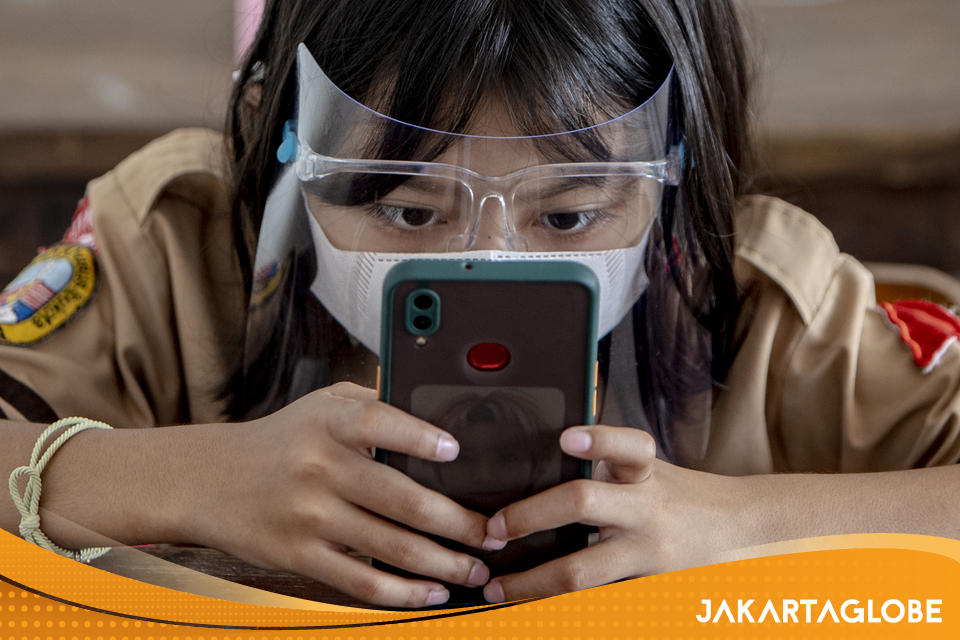
Chief Human Development and Culture Pratikno said the government is considering combining online and in-person learning, allowing students to spend more time studying from home to reduce mobility and energy use.
“The adjustment of online and offline learning methods will be tailored to the characteristics of each subject,” Pratikno said as quoted by need agency Antara on Monday, adding that practical and laboratory-based lessons would continue to be conducted in classrooms to maintain education quality.
The proposal is part of a broader cross-ministerial effort to cut energy consumption in the public sector, particularly by limiting daily commuting and transport activity.
Despite the shift toward remote learning, Pratikno stressed that education standards would remain a priority. The government is also assessing key challenges, including internet access and the continuation of its free nutritious meal program for students.
Officials are exploring alternative financing schemes to support internet access for students if online learning is expanded. Meanwhile, the distribution of free meals — a flagship social program — may need adjustments depending on changes in school attendance patterns.
The policy design, Pratikno said, will draw on lessons from mobility restrictions during the COVID-19 pandemic to ensure a balanced and data-driven approach.
“Energy efficiency measures must be carefully calibrated based on consumption data and sectoral mobility levels, so they do not create excessive negative impacts on society,” he said.
Separately, Chief Economic Affairs Airlangga Hartarto said the government is also evaluating a weekly work-from-home (WFH) policy to reduce domestic fuel demand.
The move comes after global oil prices briefly surged above $100 per barrel amid escalating tensions in the Middle East, far exceeding Indonesia’s budget assumption of $70.
Airlangga said reducing commuting through WFH arrangements could cut national fuel consumption by up to 20%, offering significant savings at a time of heightened external pressure.
The government is expected to finalize the policy framework soon, with recommendations from the latest coordination meeting to be submitted to President Prabowo for approval.
Tags: Keywords: