
Indonesia to Phase Out Diesel Power Plants as Solar Projects Begin
Indonesia to Phase Out Diesel Power Plants as Solar Projects Begin
Jakarta. Indonesia plans to gradually shut down diesel-powered electricity generators across the country when new solar power plants come online, Energy and Mineral Resources Minister Bahlil Lahadalia said on Thursday.
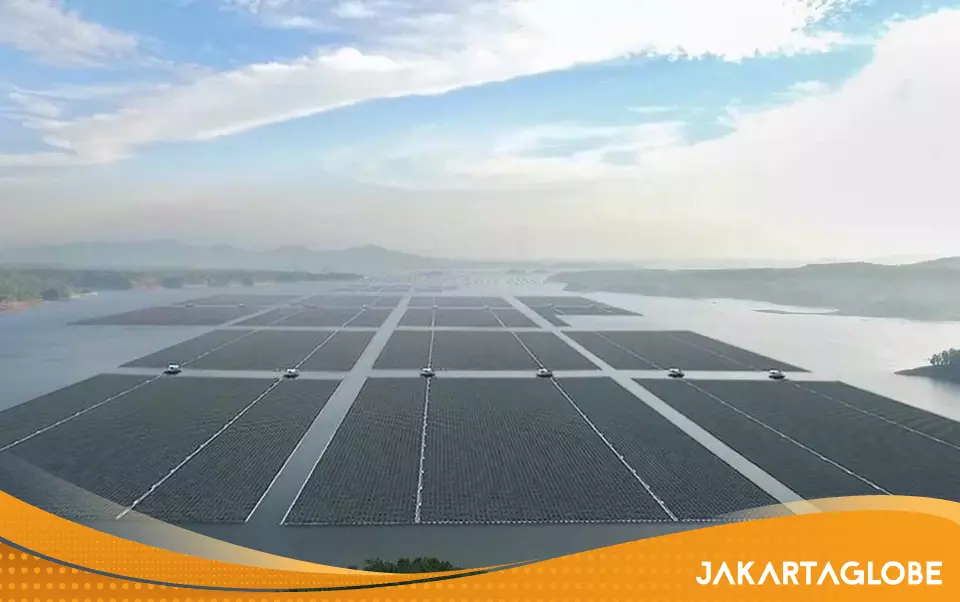
The government has launched an ambitious program to develop solar power plants with a total capacity of up to 100 gigawatts, primarily aimed at supplying electricity to rural areas that still lack access to reliable power.
Around 5,700 villages across Indonesia currently remain without electricity.
“Solar power plants must be built first, and once they reach commercial operation date, the diesel generators will be turned off,” Bahlil said at the Presidential Palace in Jakarta.
The initiative forms part of Indonesia’s broader energy transition strategy to reduce reliance on fossil fuels and expand renewable energy. In addition to solar projects, the government is also accelerating the development of geothermal power plants.
The combined strategy is intended to strengthen Indonesia’s energy security, particularly amid rising geopolitical tensions such as the war in Iran, which has pushed global oil prices higher.
“In the current geopolitical situation and with ongoing war, we cannot guarantee the long-term continuity of energy supply. Therefore, we must optimize all domestic energy resources,” Bahlil said.
Construction of new solar and geothermal power facilities is scheduled to begin after the Eid al-Fitr holiday later this month.
Read More:
Rp 200 Trillion and the Rural Solar Revolution: Indonesia’s Moment for Green Industrial PolicyThe large-scale rollout of solar power plants and geothermal facilities will start shortly after the holiday period, Bahlil said.
“The first power plants that will be phased out are diesel-based generators, which will be replaced by solar and geothermal power plants,” he added.
Last week, Investment Minister Rosan Roeslani said foreign investors have already committed about $1.4 billion to build factories producing components for solar power plants with a total capacity of up to 50 gigawatts.
The initial phase will focus on manufacturing components for solar plants with a combined capacity of 13 gigawatts, targeting regions that already have electricity transmission and distribution networks, Rosan said.
Tags: Keywords: