
Indonesia to facilitate, not finance, $4.5 billion US farm imports
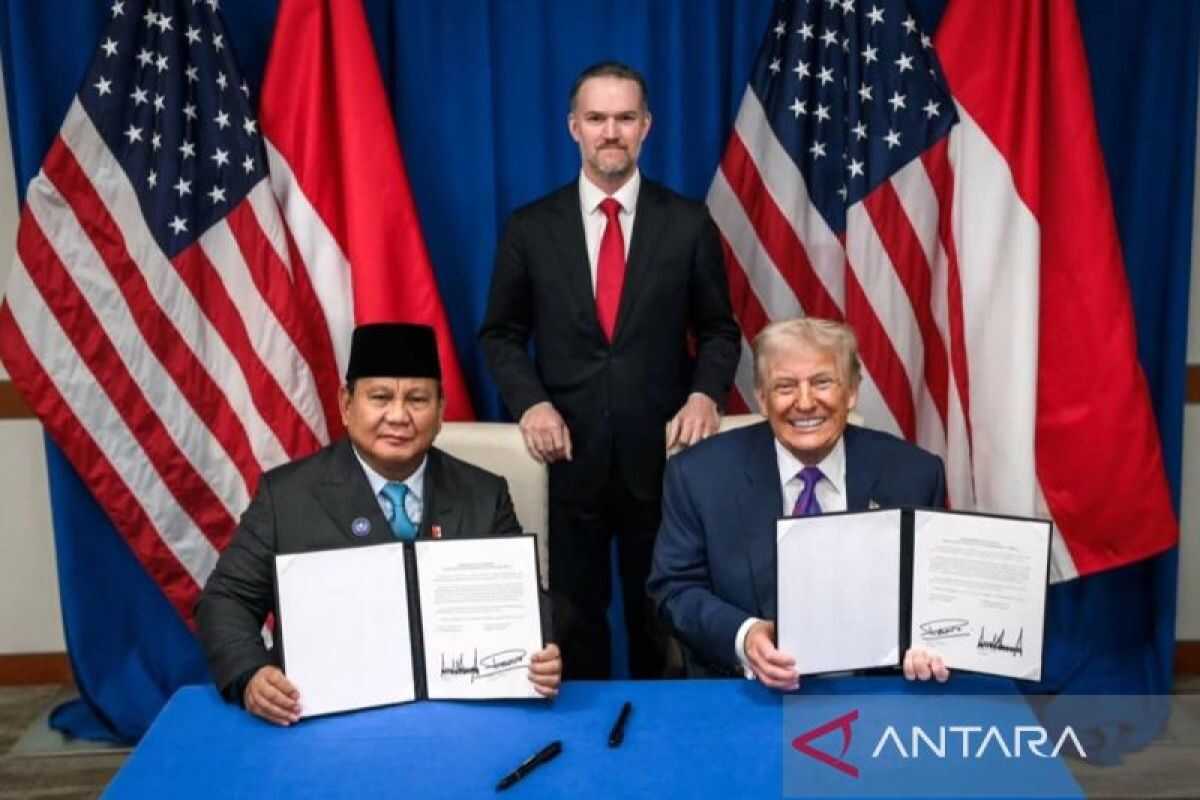
Haryo Limanseto, spokesperson for the Coordinating Ministry for Economic Affairs, stressed that the government’s role is limited to facilitating and regulating cooperation between business actors in both countries, dismissing speculation that the imports would be state-led.
“The government will only serve as regulator and supervisor of quality standards, while transaction decisions and financing will rest entirely with private parties,” he said in a statement issued on Sunday.
Limanseto noted that the import arrangement is not new, as the companies involved had already signed memorandums of understanding on July 7, 2025, and again on February 19, 2026, during the Indonesia–US Business Summit in Washington.
He added that the Indonesian Chamber of Commerce and Industry (Kadin) and the Indonesian Employers Association (Apindo) support the agreements.
According to ministry data, the United States was Indonesia’s second-largest export destination in 2025, with shipments valued at US$31 billion, accounting for about 11 percent of total exports worth US$282.9 billion.
Related news: Indonesia says zero-tariff US farm imports won’t hurt local industry
Against that backdrop, Limanseto said Indonesia must take a balanced approach in managing trade ties with the US to maintain relations while safeguarding the competitiveness of domestic products.
He described the agricultural import deal as part of efforts to diversify commodity supply sources, enabling local businesses and industries to secure sufficient raw materials at higher quality and more competitive prices.
He cited wheat as one example, noting its importance as a key input for Indonesia’s food export industry.
However, he pointed out that US products accounted for only 9.2 percent of Indonesia’s agricultural imports last year, indicating limited reliance on American supplies.
Limanseto reiterated that the government’s commitment to facilitate US agricultural imports is part of a broader strategy to expand market access and strengthen the domestic industrial value chain.
Related news: RI tightens animal health standards as Saudi limits poultry imports
Related news: Indonesia pushes domestic tapioca starch industry to cut imports
Translator: Shofi Ayudiana, Tegar Nurfitra