
Indonesia to Begin Waste-to-Energy Projects This Year, Turning Waste into Energy with Economic Impact
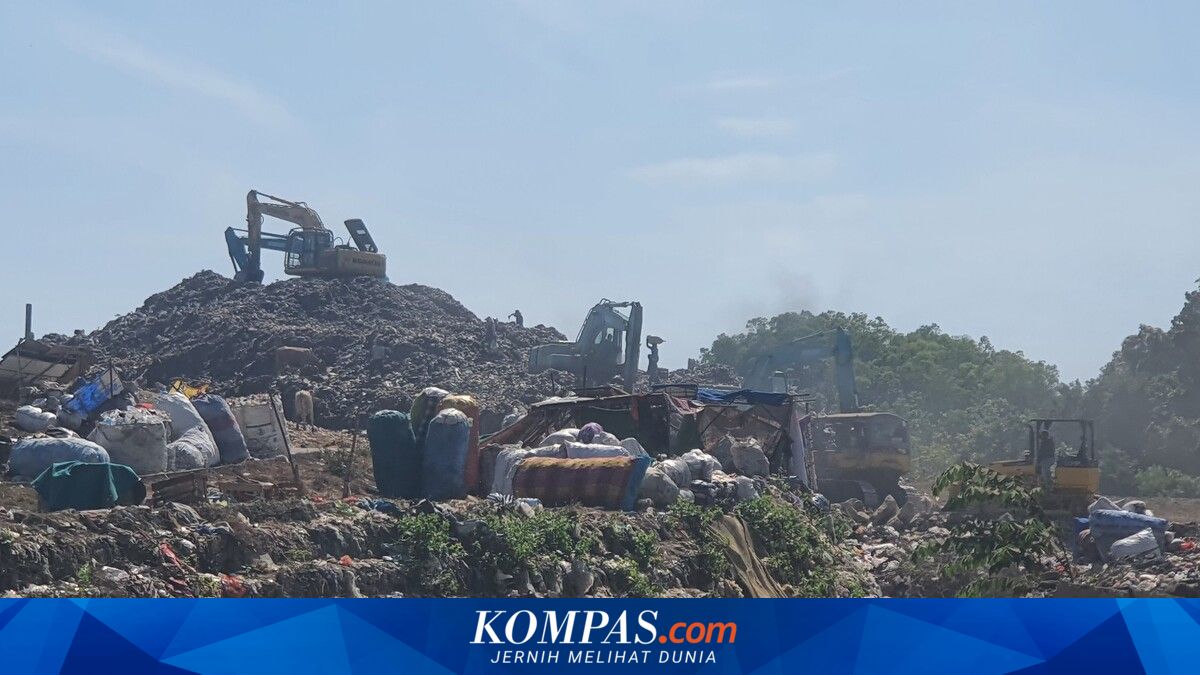
Waste management problems across various regions are increasingly pressuring local governments as cities confront constrained capacity at final disposal facilities and rising waste volumes driven by population growth and economic activity. In Yogyakarta, for example, plans to close the Piyungan landfill were described as an emergency situation for the city government. Sinarbiyat Nujanat, Deputy Speaker of the Yogyakarta City Council (DPRD), said the move forced local authorities to seek new solutions in waste management. ‘The plan to close this site is clearly an emergency for the Yogyakarta City Government as the policymaker,’ he told reporters on Monday, 17 November 2025. According to Sinar, the DPRD has provided budgetary support for waste handling, including opening space for the Regional Government Budget Agency (TAPD) to tackle the issue.
Meanwhile, Bali is one of Indonesia’s main faces of tourism in the eyes of foreign visitors. ‘Bali is Indonesia’s showroom, and its beaches reflect the face of our nation,’ Hanif said in a statement on Thursday, 5 March 2026. He added that the cleanliness of the tourist area is not only linked to the quality of life of residents, but also Indonesia’s image in the eyes of the world. ‘When beaches are clean, Indonesia is respected as a country that cares for the environment, but if polluted by waste, our reputation also suffers,’ Hanif said.
Data from the National Waste Management Information System (SIPSN) 2025 shows Bali’s waste generation reaching 664,265 tonnes per year. Gianyar Regency is the largest producer, at 204,765 tonnes per year. Of the total generation, around 64.63 per cent has been managed, while 35.37 per cent remains unaddressed. The data also shows that the majority of waste, 74.88 per cent, still ends up in landfills with sanitary or controlled landfill systems, while around 25 per cent is disposed of openly.
‘India is first, China second, Indonesia third,’ Tito said at the National Coordinating Meeting on Waste Management in South Jakarta, Wednesday, 25 February 2026. He added that although the United States is second in total waste production, Indonesia ranks third in terms of plastic waste entering the sea. According to the Ministry of Maritime Affairs and Fisheries (KKP), about 20 million tonnes of waste enter Indonesian waters each year, with around 16 million tonnes from the sea and four million tonnes from coastal activities.
President Prabowo Subianto stated that the government will build 34 Waste-to-Energy projects in various cities as part of efforts to tackle the national waste problem. ‘The problem facing our nation today, which is also highly crucial, is the waste problem,’ Prabowo said at the National Coordinating Meeting for the Central and Local Governments in 2026 in Sentul, on Monday, 2 February 2026. He said the projects are targeted to begin operating roughly two years after construction starts. The investment planned for these 34 projects is US$3.5 billion, or around Rp 58.8 trillion, based on an exchange rate of Rp 16,800 per US$1.