
Indonesia Targets Market Diversification through I-EAEU FTA Trade Agreement
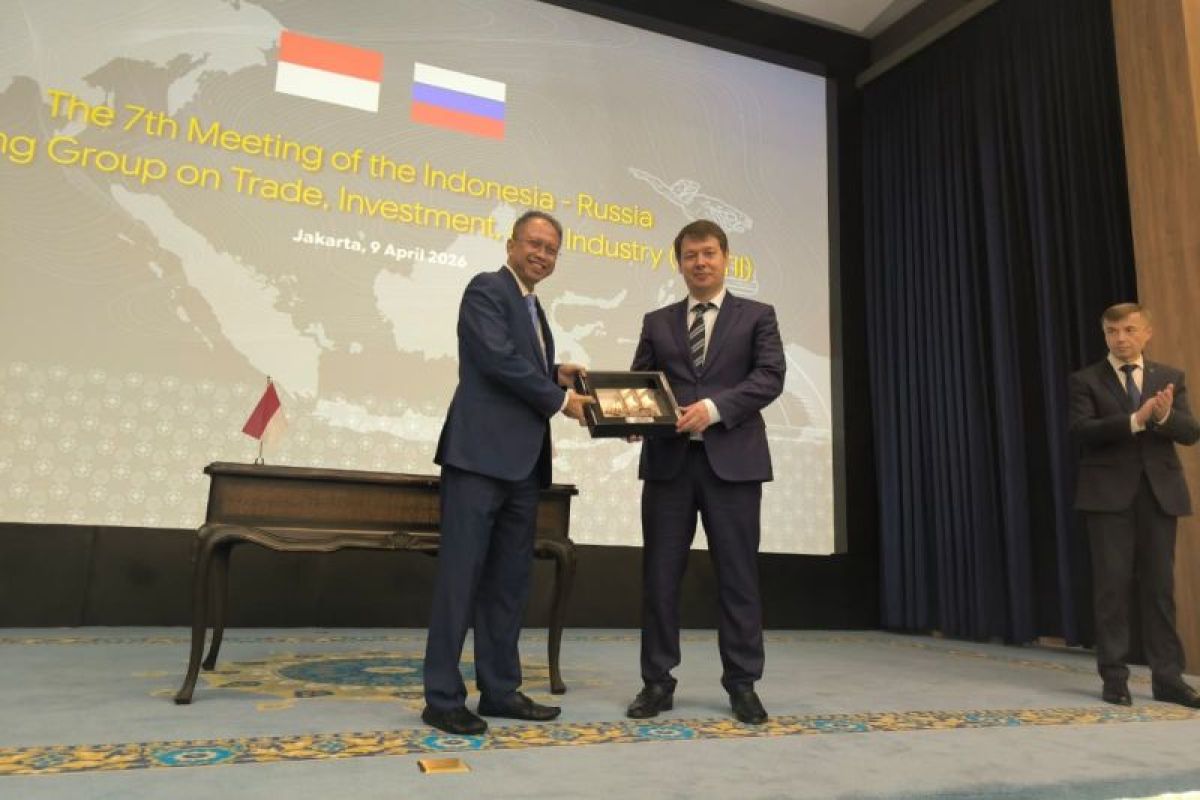
The Indonesian government is targeting export market diversification through the acceleration of the implementation of the Indonesia-Eurasian Economic Union Free Trade Agreement (I-EAEU FTA) amid rising global protectionism and trade disruptions. This effort emerged during the 7th Meeting of the Working Group on Trade, Investment, and Industry (WGTII) between Indonesia and Russia. “In cooperation with the Russian Federation, we believe there is significant untapped potential to enhance trade cooperation that contributes to sustainable and mutually beneficial growth,” said Deputy for Coordinating Economic Cooperation and Investment at the Coordinating Ministry for the Economy, Edi Prio Pambudi, in a statement in Jakarta on Friday. He stated that the momentum of the 76th anniversary of diplomatic relations between Indonesia and Russia in 2026 could be utilised to deepen collaboration through broader and more structured cooperation, including pushing for the acceleration of the I-EAEU FTA implementation. In addition, both countries are striving to enhance cooperation in priority sectors, including trade, industry, investment, food security, and the creative economy. Meanwhile, Russia’s Deputy Minister of Economic Development, Vladimir Illichev, emphasised the importance of implementing the outcomes of previous meetings, including the signing of the I-EAEU FTA. He also highlighted developments in strategic cooperation such as the halal sector and the Surabaya-Vladivostok logistics connectivity that has been operational since 2023, and hopes that the meeting will produce concrete steps ahead of the next agenda in Kazan in May. Indonesia’s Ambassador to the Russian Federation and the Republic of Belarus, Jose Tavares, stated that the liberalisation of more than 90 per cent of tariffs through the I-EAEU FTA is an important step amid global protectionism trends. He noted that the value of bilateral trade between Indonesia and Russia has reached nearly $5 billion in 2025, but there is still significant room for improvement through trade diversification, strengthening industrial cooperation, and identifying potential investment projects. “We need to encourage closer engagement between business communities to strengthen trade and investment relations,” said Jose. On the other hand, Russia’s Ambassador to Indonesia, Sergey Tolchenov, affirmed that the economic dimension is a main pillar in strengthening bilateral relations between the two countries. He also highlighted the potential for cooperation in various sectors, from agriculture, halal industry, information technology, infrastructure development, to mining and processing.