
Indonesia taps campuses to boost skilled migrant workers
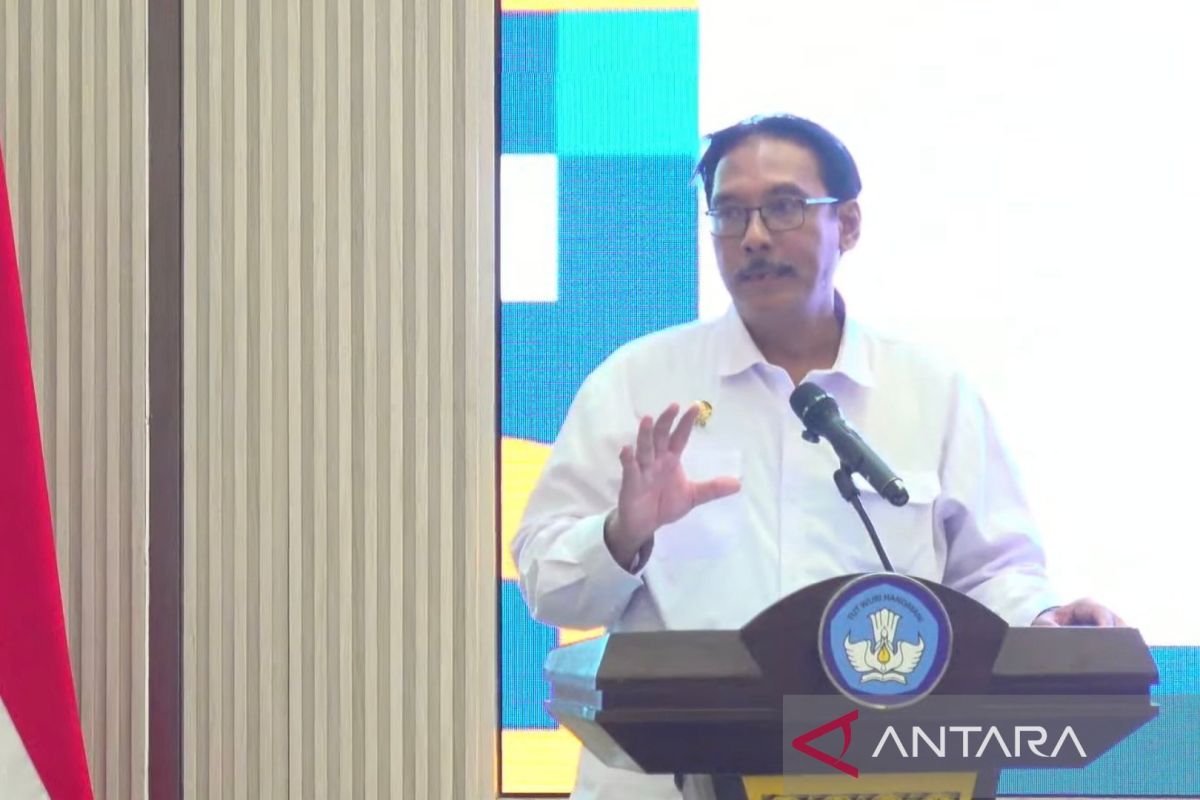
The push was outlined by Dwi Setiawan Susanto, Director General for Overseas Employment Promotion at the Ministry of Indonesian Migrant Workers Protection, who said universities are well placed to support the initiative through their established career development centers.
“Universities already have career development centers, making them strategic partners in preparing skilled migrant workers,” Susanto said in Jakarta on Wednesday.
Speaking at an event to strengthen Career Development Centers (CDC), he said the government’s 2026 target reflects rising global demand for skilled labor.
He stressed that preparation at the university level is crucial, as international job markets require not only technical expertise but also foreign language proficiency and cross-cultural competence.
“Combining academic qualifications with internationally certified skills will enhance the competitiveness and bargaining power of Indonesian workers,” he said.
Susanto added that Indonesia has strong potential in five key sectors for overseas placement: healthcare, hospitality, manufacturing, plantations, and forestry.
Deputy Minister of Higher Education, Science, and Technology Fauzan said the establishment of migrant centers is a strategic move to expand employment opportunities for graduates.
“We are working to transform campuses into service hubs for overseas employment. This requires a global mindset,” he said.
He expressed hope that working abroad would become part of the academic ecosystem, encouraging students to view international careers as viable pathways.
The initiative aligns with broader government efforts to improve workforce quality and global competitiveness.
Indonesian migrant workers remain a key pillar of the national economy.
Data from Statistics Indonesia (BPS) show that around 297,000 Indonesians were deployed overseas in 2024.
Remittances from migrant workers reached US$15.7 billion that year, making them the country’s second-largest source of foreign exchange after oil and gas.
Officials say strengthening university involvement could help increase both the number and quality of workers sent abroad.
They also expect the program to improve worker protection by ensuring better preparation before departure.
Related news: Indonesia prepares 1,000 Balinese workers for Bulgaria placement
Related news: Indonesia to send 500,000 skilled workers abroad in 2026
Translator: Sean Filo, Raka Adji