
Indonesia Successfully Diverts 9 Export LNG Cargoes for Domestic Use
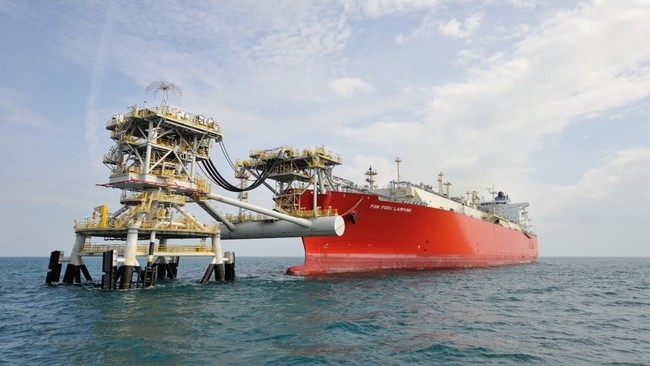
Jakarta, CNBC Indonesia - The Special Task Force for the Implementation of Upstream Oil and Gas Business Activities (SKK Migas) has revealed that the national energy supply has been secured by diverting nine cargoes of liquefied natural gas (LNG), originally destined for export, to domestic supply. This is to meet the country’s gas needs amid energy market dynamics. SKK Migas Head Djoko Siswanto stated that the success was partly due to negotiation efforts by the British oil and gas company operating in Indonesia, British Petroleum (BP), with overseas buyers. Additionally, domestic needs are supported by extra supplies from other gas producers in the country. “Yes, we diverted nine cargoes. So it’s successful, the diversion has been achieved. Plus, there’s an additional three cargoes from ENI production this October, as two fields can now produce. And the third from Donggi Senoro, which has agreed to sell entirely for domestic use,” Djoko said when met at the Ministry of Energy and Mineral Resources office in Jakarta, quoted on Tuesday (7/4/2026). The diversion of these export cargoes is a postponement, to be compensated in future years when national gas production surges. The agency projects abundant gas supplies by 2028 with the operation of other domestic gas projects. “But we took some of their export cargoes earlier, and we’ll replace them in 2028. By 2028, we’ll have plenty of production from ENI, South Andaman, Genting starting next year,” he added. Despite securing cargoes for domestic needs, Djoko assured that Indonesia will continue LNG exports this year at volumes similar to the previous year. The government prioritises fulfilling domestic needs before exporting any surplus production. In addition to securing LNG supplies, SKK Migas has noted an increase in the absorption of crude oil by domestic refineries. Currently, nearly all national oil lifting has been prioritised for domestic needs, as an effort to mitigate the impact of global geopolitical conflicts on the energy supply chain. “Now it’s almost 90 to 98% (absorbed domestically). Alhamdulillah, Exxon Mobil’s portion as the contractor is 100% processed domestically,” he emphasised.