
Indonesia Strengthens Its Role in Asia-Pacific Through APFSD 2026 Forum
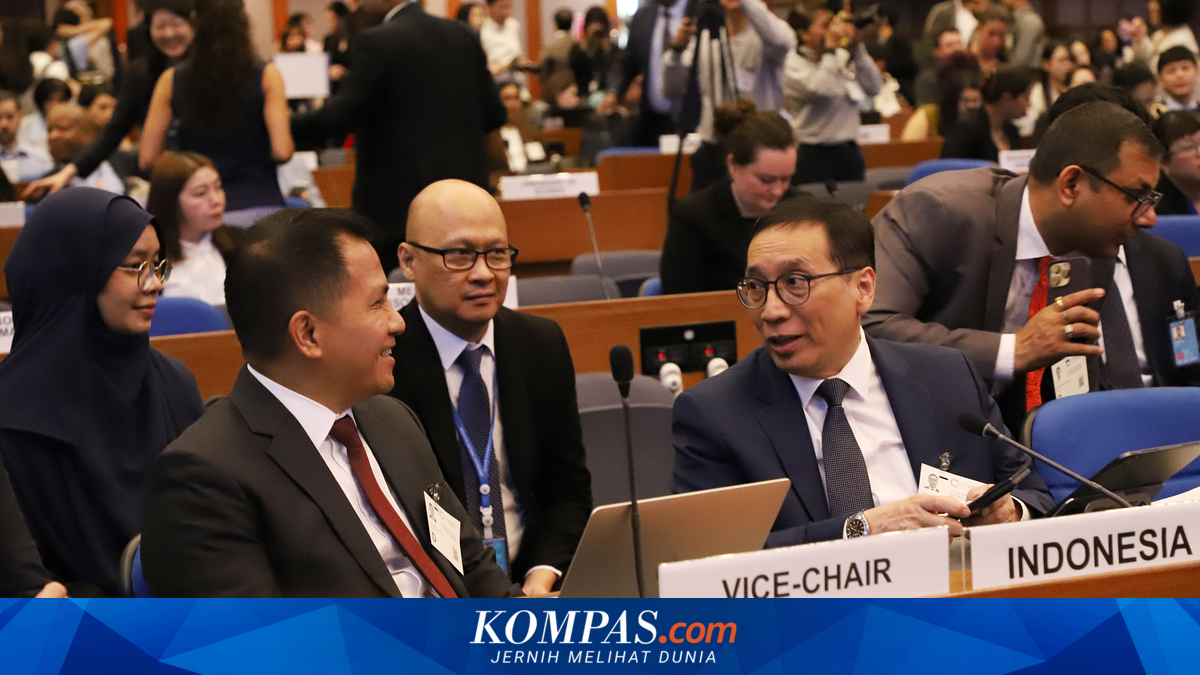
Indonesia has strengthened its position on the Asia-Pacific regional stage through active participation in the 13th Asia-Pacific Forum on Sustainable Development (APFSD) 2026.
The forum, held in Bangkok, Thailand, from 24 to 27 February 2026, served as an important platform for Indonesia to reaffirm its commitment to achieving the Sustainable Development Goals (SDGs).
Vice Minister of National Development Planning/Vice Head of the National Development Planning Agency (Bappenas) Febrian Alphyanto Ruddyard led the Indonesian delegation, comprising representatives from the Ministry of National Development Planning/Bappenas, the Ministry of Foreign Affairs, the National Research and Innovation Agency (BRIN), and the Indonesian Embassy in Bangkok.
Indonesia’s participation in the forum carried significant strategic weight beyond formal attendance. Regional confidence in Indonesia’s leadership was demonstrated through the official appointment of the Vice Minister as Vice-Chair of APFSD 13 and Bureau member, with Febrian also leading one of the forum’s main sessions.
This appointment reflected regional recognition of Indonesia’s role in accelerating SDGs achievement. The strategic position also strengthened Indonesia’s influence in formulating regional recommendations to be presented to the global forum.
“Accelerating SDGs achievement towards 2030 requires support through policy coherence, localisation of SDGs implementation to regional levels, strengthening innovation and entrepreneurship, expanding innovative financing, and strengthening multilateral cooperation,” stated Febrian.
Indonesia shared its experience in accelerating SDGs achievement through a structured, comprehensive, inclusive, and measurable approach. This strategy was realised through the integration of SDGs into various national development planning documents, including the National Medium-Term Development Plan (RPJMN) 2025–2029.
Indonesia focused not only on achieving 2030 targets but also encouraged Asia-Pacific nations to begin considering the development framework beyond that year.
Febrian emphasised that the post-2030 agenda must encompass reduction of multidimensional inequality, response to demographic change, technology governance, and strengthening of climate resilience and economic stability.
This perspective aligned with concerns raised by United Nations Under-Secretary-General and Executive Secretary of the Economic and Social Commission for Asia and the Pacific (ESCAP) Armida Salsiah Alisjahbana. Armida warned that weakening multilateralism could threaten sustainable development progress.
“The global partnership network and financing channels and technology transfer mechanisms that have been established must be maintained and strengthened,” Armida stated. She added that Asia and the Pacific now hold an important role as centres of technology and finance capable of driving SDGs implementation.