
Indonesia Strengthens Economic Competitiveness and Resilience through OECD Accession
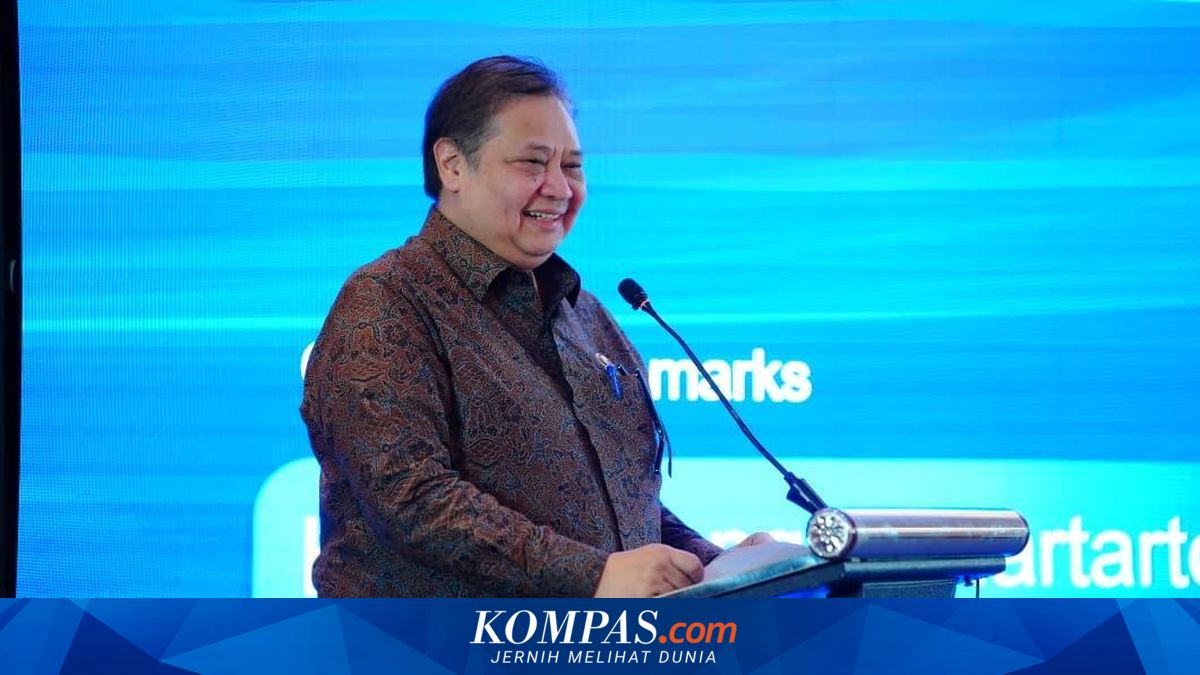
Rising global uncertainties, marked by geopolitical dynamics, disruptions to energy and food supply chains, and the acceleration of digital transformation, are pushing the world economy to face increasingly complex and unpredictable challenges. These conditions significantly impact global energy stability, fertiliser supply chains, and food availability, necessitating adaptive and measured policy responses from every country. In this context, Indonesia is one of the responsive nations in addressing global uncertainties, strengthening energy resilience through strategies of diversifying supply sources and reducing dependence on certain regions. One such effort involves expanding energy supply cooperation with various countries, such as Nigeria, Gabon, and several other alternative nations, to ensure national energy supply security. This statement was delivered by Airlangga at the National Seminar on Indonesia’s OECD Accession and Private Sector Implications, in Jakarta on Tuesday. He added that energy diversification efforts, strengthening domestic capacity, and improving human resource quality are key to maintaining stability and driving sustainable economic growth. On the downstream side, Indonesia is also optimising regional cooperation for refined fuel fulfilment, while increasing domestic production capacity and accelerating biofuel utilisation through higher mandatory biodiesel blending. Additionally, the implementation of Domestic Market Obligation (DMO) policies and a diverse energy mix help maintain price stability, so that global commodity price fluctuations do not directly impact society. Besides the energy sector, strengthening is also carried out in the food and fertiliser sectors through gas price controls for fertiliser production and increased domestic production capacity. Indonesia even records surpluses in certain fertiliser productions and has begun meeting export demands from several countries. Moving forward, Indonesia targets accelerated economic growth to achieve the vision of a high-income nation by 2045. This is supported by strengthening domestic consumption as the main contributor to the economy, as well as improving human resource quality through education development and global collaboration.