
Indonesia strengthens animal health standards in response to Saudi Arabia's poultry import restrictions
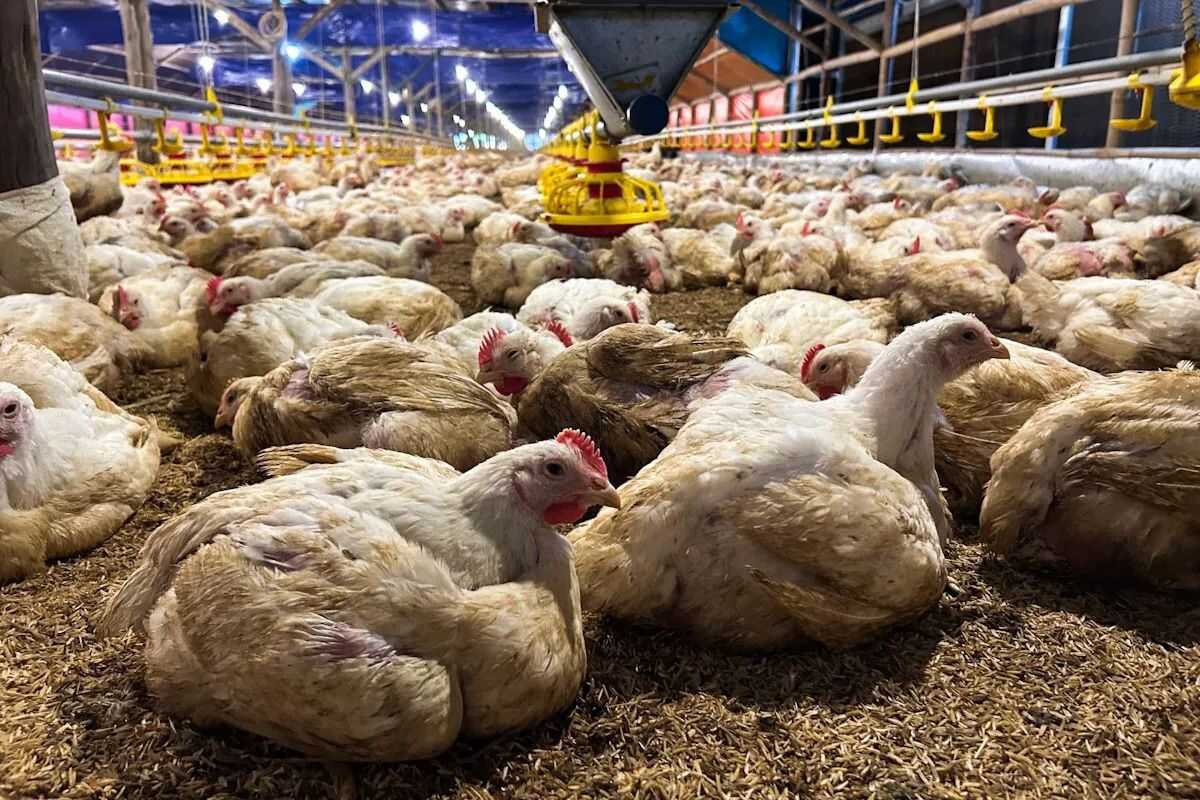
Mataram, West Nusa Tenggara — The Indonesian Government, through the Ministry of Agriculture, is strengthening animal health standards and biosecurity oversight following Saudi Arabia’s policy restricting poultry imports from several supplier countries, including Indonesia.
The Director-General of Livestock and Animal Health (DGLAH) at the Ministry of Agriculture, Agung Suganda, emphasised that the government is using this dynamic sanitisation restriction as an opportunity to strengthen Indonesia’s position in global livestock trade.
“Strengthening animal health systems is the primary foundation of international market trust. Therefore, we ensure biosecurity, disease surveillance, as well as the implementation of zoning and compartmentalisation run consistently as national standards,” Agung said when confirmed in Mataram, West Nusa Tenggara, on Friday.
The Ministry of Agriculture stated that the poultry and egg import restrictions imposed by the Saudi Food and Drug Authority (SFDA) constitute a precautionary sanitary measure that is commonly applied in international livestock product trade.
Indonesia is currently included on the list of countries subject to poultry import restrictions by Saudi Arabia.
According to Agung, this policy is not a new one but rather part of a long-standing sanitary policy. “It is updated periodically following developments in global poultry disease, particularly since the surge in avian influenza cases in the mid-2000s,” he said.
Indonesia was added to Saudi Arabia’s temporary ban list in 2004 as the global avian influenza outbreak spread. The policy is part of a dynamic animal health risk management mechanism reviewed periodically by the destination country authorities.
The Ministry of Agriculture views this position as part of the common technical process in veterinary trade and does not directly reflect the current overall condition of the national animal health system.
From an economic perspective, the impact of this policy on the domestic poultry industry is considered limited because Indonesian poultry product exports to Saudi Arabia remain relatively small, whilst the domestic market remains the primary support for production.
Nevertheless, the government is using this situation as an opportunity to strengthen the credibility of its animal health system and export readiness. It emphasised that the government continues to promote market access opening through veterinary diplomacy and value-chain strengthening.
“Our approach is not only to open markets, but to ensure that Indonesian livestock products meet globally recognised standards. Processed products represent a strategic pathway and evidence of national industry readiness,” he said.
Indonesia is the largest poultry producer in ASEAN with a population of approximately 3.9 billion birds, so the national production capacity has exceeded domestic demand and opened opportunities for exporting poultry products and derivatives.
The Director of Animal Health at the DGLAH, Hendra Wibawa, stressed that restrictions imposed by partner countries represent a regular mechanism in sanitary-based trade. According to him, sanitary restrictions by partner countries are generally risk-based and form part of a precautionary mechanism.
“The government continues to strengthen biosecurity, surveillance, and disease data transparency to ensure the national animal health system meets international standards,” Hendra said.
He added that zoning and compartmentalisation approaches have become primary instruments in the market access opening process. “Through strengthening zoning and compartmentalisation, trade can be conducted safely on a risk basis whilst supporting the technical dialogue process with destination countries,” he said.
Meanwhile, the Director of Livestock Product Value Addition at the DGLAH, Makmun, explained that the process of gaining poultry market access to Saudi Arabia is currently in the negotiation stage for technical requirements.
“Poultry product exports to Saudi Arabia are still in the technical requirements negotiation stage,” Makmun said. He stressed that fresh poultry products such as carcasses and eggs have not yet obtained market access approval.
“For carcasses and eggs, or fresh and frozen products, these are currently not approved,” he said.
Nevertheless, Makmun reported progress on processed poultry products. “The approved requirements are processed chicken products that have undergone heating at temperatures capable of killing the HPAI virus (Highly Pathogenic Avian Influenza),” he said.
In line with this sanitary exception, Indonesia can still export processed poultry products. Data shows that exports of processed chicken meat products (HS code 16023290) to Saudi Arabia in 2023 totalled 19 tonnes valued at approximately 294,654 United States dollars.
Additionally, exports of other chicken-based processed products (HS code 210390) continue to increase, reaching more than 132 million US dollars in 2024.
In 2025, Indonesia has also obtained export permission for heat-treated retort sterilised poultry products or commercially sterilised products such as chicken stew, chicken curry, and chicken rendang for the needs of Indonesian Hajj pilgrims.
To ensure international standards continue to be met, the Ministry of Agriculture is continuing to strengthen multi-layered biosecurity in poultry production centres, enhance disease surveillance, implement risk-based vaccination, and maintain strict control of poultry traffic and poultry products.
Furthermore, the veterinary health certification system is being aligned with the standards of the World Organisation for Animal Health (WOAH), including improvements in traceability, facility audits, and verification of export-oriented business units.
The government reaffirms its commitment to maintaining technical communication with Saudi Arabian authorities to obtain clarity on requirements, strengthen veterinary cooperation, and explore opportunities for gradual market access recovery, particularly through processed product channels that have met sanitary requirements.