
Indonesia Seeks WTO Approval to Suspend EU Trade Concessions Over Palm Oil Dispute
Indonesia Seeks WTO Approval to Suspend EU Trade Concessions Over Palm Oil Dispute
Jakarta. Indonesia has requested authorization from the World Trade Organization (WTO) to suspend trade concessions toward the European Union after the bloc failed to comply with a WTO ruling related to restrictions on palm oil-based biofuels.
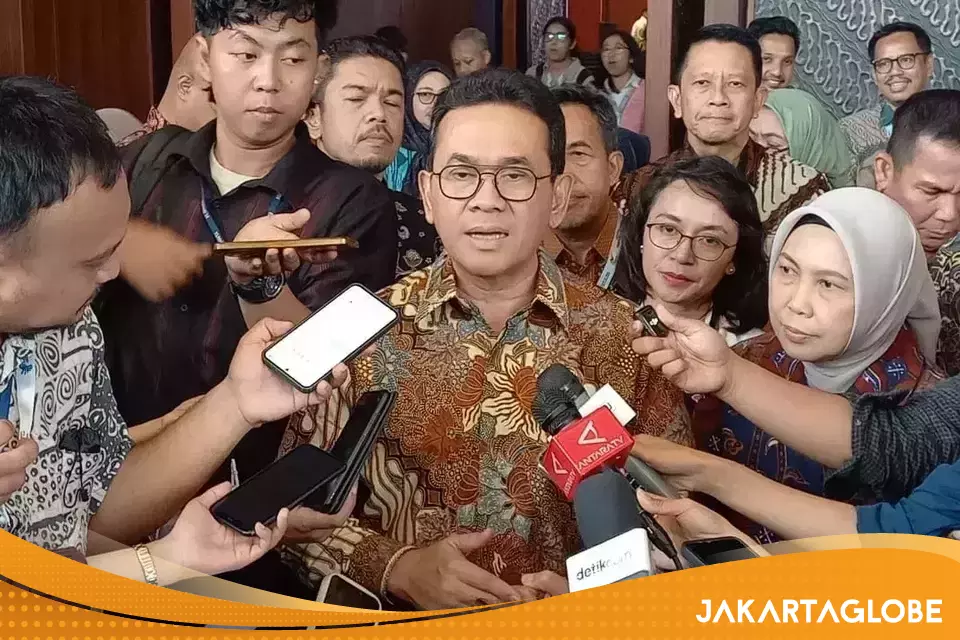
Trade Minister Budi Santoso said the request was submitted to the WTO’s Dispute Settlement Body following the EU’s failure to meet the Feb. 24 deadline to adjust its policies in accordance with the ruling in the DS593: EU–Palm Oil dispute.
“The suspension of concessions will focus on the goods sector but remains open to other sectors,” Budi said in a statement in Jakarta on Saturday.
The move allows Indonesia to seek approval to impose retaliatory measures. If authorized by the World Trade Organization, Indonesia could legally take trade action against the European Union, increasing pressure on the bloc to revise its palm oil restrictions.
The dispute comes as both sides move toward finalizing the Indonesia–EU Comprehensive Economic Partnership Agreement (CEPA). In September last year, Indonesia and the EU announced the “substantive conclusion” of negotiations after nearly a decade of talks, which had faced several setbacks. The agreement, expected to eliminate tariffs on many products, is now undergoing legal review, and Indonesia aims to sign the deal by May.
“We will carefully calculate the amount of losses and ensure the case is handled effectively while continuing to maintain bilateral relations with the European Union,” Budi said.
According to the minister, the step is consistent with Article 22.2 of the WTO’s Understanding on Rules and Procedures Governing the Settlement of Disputes, which allows the winning party in a dispute to request permission to suspend trade concessions if the losing party fails to implement the ruling.
Indonesia argues that the EU has neither fully adjusted its palm oil-related policies nor offered balanced compensation for the economic impact caused by the restrictions.
“Indonesia can request authorization from the WTO’s Dispute Settlement Body to suspend concessions in order to protect its rights in the future if the EU fails to comply with the panel’s ruling,” Budi said.
The government said the decision was coordinated across multiple agencies and supported by industry groups, including the Indonesian Palm Oil Association (Gapki) and the Indonesian Biofuel Producers Association (Aprobi). Officials say the financial losses to Indonesian producers are significant because of reduced export opportunities caused by the EU’s policies.
Indonesia is the world’s largest producer and exporter of palm oil, a commodity widely used in food products, cosmetics, and biofuels. Palm oil exports are a major contributor to the country’s trade surplus and support millions of smallholder farmers.
The dispute stems from the EU’s Renewable Energy Directive II, which classifies palm oil as a “high-risk” feedstock for indirect land-use change (ILUC), effectively phasing it out of the EU’s renewable energy targets for transportation.
In January 2025, a WTO panel largely sided with Indonesia, finding that elements of the EU’s policy discriminated against palm oil-based biofuels. The ruling said the EU’s delegated regulation under RED II was inconsistent with international trade rules because it singled out palm oil as high-risk while allowing competing biofuels to continue benefiting from the bloc’s renewable energy policies.
The panel also determined that certain national measures, including tax incentives in France that favored biofuels made from rapeseed and soybeans over palm oil, were discriminatory.
However, the WTO panel also acknowledged that the EU has the right to pursue environmental and climate objectives through renewable energy policies.
Tags: Keywords: