
Indonesia Seeks New Plastic Raw Material Supplies Amid Global Crisis
The Indonesian government is seeking new sources of plastic raw materials amid a global crisis triggered by supply chain disruptions from conflicts in the Middle East region.
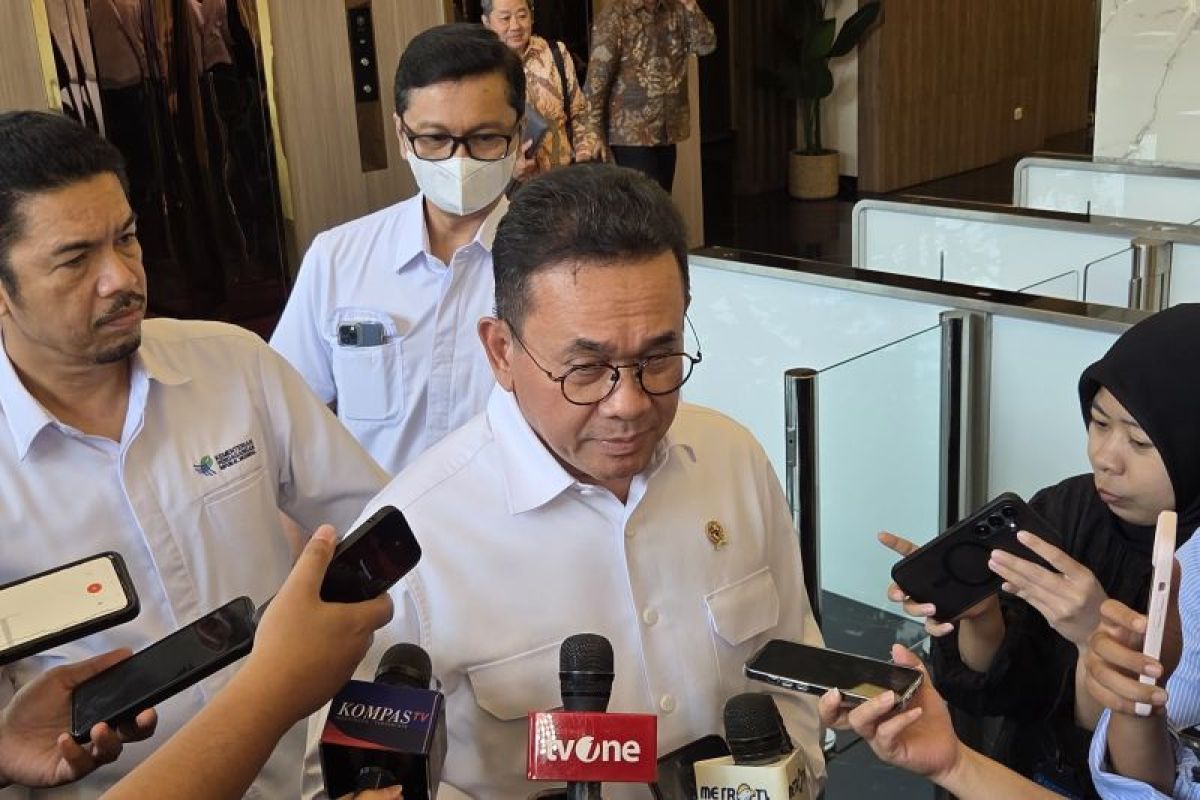
Trade Minister Budi Santoso stated that Indonesia has long relied on imports of naphtha as the raw material for plastic pellets from the Middle East. However, supplies from that region are currently disrupted due to the impact of war.
“So plastic raw materials are indeed imported; for plastic pellets, it’s naphtha from the Middle East so far. Because of the war’s impact, supplies from there are automatically disrupted,” Budi said when met at the Office of the Coordinating Ministry for the Economy in Jakarta on Monday.
As a short-term mitigation step, the government is beginning to seek alternative supplies from several countries such as India, the United States (US), and the African region.
“So we have already communicated with producers; we have indeed obtained some, but the quantities might be limited or it may take time because of the switch, and now shipping conditions due to the war are also somewhat slow,” he said.
Budi added that the government is also coordinating with trade representatives abroad to help find alternative supply sources from other countries.
On the other hand, he acknowledged that the current plastic raw material crisis is global in nature. Several producer countries such as Taiwan, South Korea, Thailand, Vietnam, and Singapore are also experiencing the same production disruptions.
“Imports from those three countries are already being processed. But it takes time. So right now, we’re still managing with existing stocks,” he said.
In this regard, the government is striving to accelerate the arrival of new supplies to allay concerns among business actors and traders who are beginning to be affected by rising plastic prices.
Nevertheless, Budi could not yet confirm when plastic prices would stabilise again. Because this situation very much depends on developments in the global situation as well as the smoothness of supplies from alternative countries.
Meanwhile, plastic prices in the market have risen sharply by around 30-40 percent as of April 2026, mainly caused by the surge in naphtha raw material prices due to geopolitical conflicts in the Middle East.
Disruptions in the Strait of Hormuz are hindering crude oil supplies, which are the basic material for making plastic pellets. High dependence on imported raw materials has caused the price of end products to also skyrocket.