
Indonesia Secures 3.5 Million Tonnes of US Soybeans Annually to Strengthen Food Security
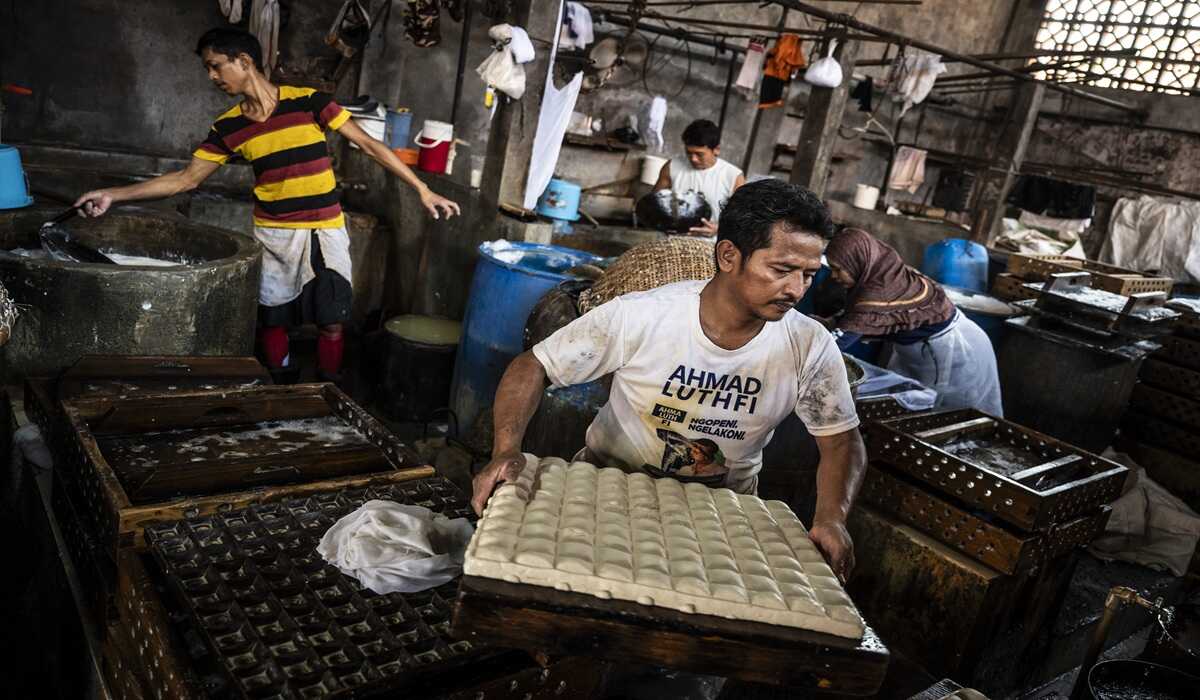
The Indonesian government has officially strengthened trade cooperation with the United States through the Agreement on Reciprocal Trade (ART). A key aspect of this agreement is the commitment to supply 3.5 million tonnes of soybeans annually from the US for the next five years. This strategic move has received full support from industry players. The Chairman of the Indonesian Soybean Association (Akindo), Hidayatullah Suralaga, stated that this cooperation is an important foundation for the stability of soybean stocks in the country.
“The commitment to purchase soybeans is part of the effort to guarantee the certainty of the national soybean supply and maintain its smooth distribution,” said Hidayatullah in an official statement in Jakarta, Thursday (26/2). Hidayat revealed that the US has always been Indonesia’s main partner in meeting its soybean needs. With a more formal cooperation structure through the ART, the national food security program is expected to become even stronger.
According to data from the Central Statistics Agency (BPS), Indonesia’s total soybean imports in 2025 were recorded at around 2.56 million tonnes, with 90% of that amount coming from the US. With national needs ranging from 2.7 million to 2.9 million tonnes per year, this commitment to supply up to 3.5 million tonnes provides room for increased consumption of plant-based protein by the community.
Akindo projects that this additional supply can be optimally absorbed through various government strategic programs, including the Free Nutritious Meal (MBG) program. In addition, the abundance of soybean stocks also opens up great opportunities for strengthening the downstream industry and Micro, Small, and Medium Enterprises (MSMEs).
“This commitment can strengthen the national soybean industry ecosystem. With a more guaranteed supply, business actors have the certainty to invest, increase production capacity, and create jobs,” added Hidayat. This certainty of raw materials is expected to trigger the expansion of export markets for Indonesian-style processed soybean products, such as tempeh, tofu, soy milk, and soy sauce. With increased production capacity, the competitiveness of local products in the international market is also believed to be even stronger.
While welcoming this cooperation, Akindo also emphasised the importance of maintaining the balance of the global and domestic trade ecosystem. Hidayat hopes that the trade agreement with the US will not disrupt the existing cooperative relationships between private importers and suppliers from other countries. On the other hand, Akindo reminded that this international cooperation should still be in line with the program to increase domestic soybean production. This is crucial to ensure that the government’s target of achieving food self-sufficiency remains on track.