
Indonesia says the uniform WTO fishing subsidies ban is unfair
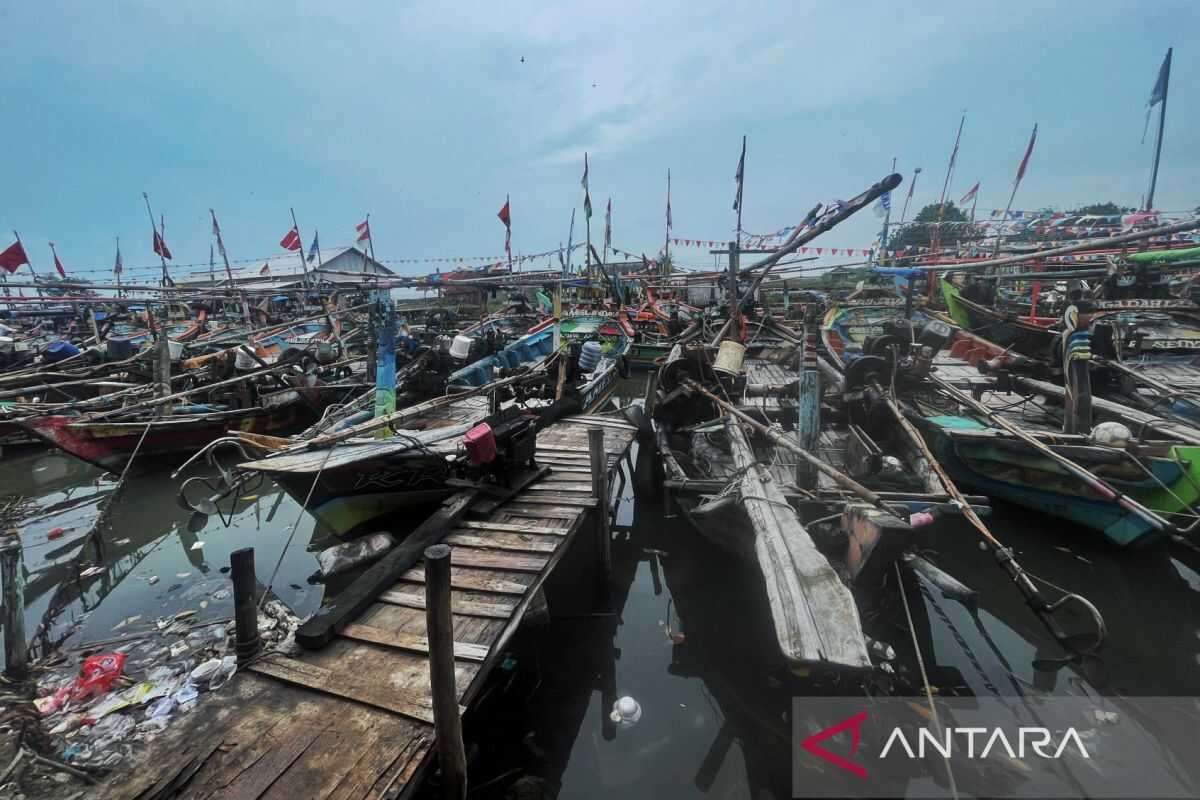
Subsidies in developing countries are not intended to massively expand fleets or distort global markets, but function as a social safety net, protection from poverty, and an instrument of food security. In a discussion in Jakarta on Thursday, Trade Negotiator Senior Expert at the Directorate of WTO Negotiations, Ministry of Trade, Jeremy Kumajas, stressed that rules that are ‘one size fits all’ do not reflect differences in the characteristics of national fishing sectors. According to Jeremy, around 90 percent of Indonesian fishermen are small-scale and remain heavily reliant on operational subsidies such as fuel for fishing. ‘Subsidies in developing countries are not intended to massively expand fleets or distort global markets, but function as a social safety net, protection from poverty, and an instrument of food security,’ he said. In the first phase (AFS I), WTO members agreed to ban subsidies for illegal fishing practices, subsidies for stocks that have been overfished, and subsidies for fishing operations on the high seas not under the management of regional fisheries management organisations. Indonesia has yet to ratify the first phase of the AFS and says it needs to ensure the agreement aligns with national policy, including the mandate of Law No. 7 of 2016 on the Protection and Empowerment of Fishermen. Meanwhile, negotiations for the second phase of the AFS are ongoing, focusing on regulating subsidies that contribute to overcapacity and overfishing, including support for fishing fleets such as subsidies for fuel, vessel construction, and modernisation of gear. He revealed that, in the latest draft, the scheme includes full exemptions for least developed countries (LDCs) from the ban on subsidies that contribute to overcapacity and overfishing. In addition, developing countries with a share of global catch production below 0.8 percent or in the de minimis category would remain permitted to maintain certain subsidies. Developing countries are also proposed to retain the ability to subsidise fishing activities in exclusive economic zones (EEZs) or in areas under the competence of regional fisheries management organisations (RFMOs), during a transitional period and subject to notification obligations. Indonesia, he said, would only ratify the fisheries subsidies agreement if the regime is comprehensive, including bans on subsidies for illegal fishing practices, overfishing and overcapacity, as well as subsidies for distant-water fleets. ‘In addition, we will also maintain national policy space so that the government can continue to provide support or essential social subsidies for small-scale and coastal fishermen,’ said Jeremy.