
Indonesia restricts children's access to social media, legislator says this proves the state will not stand idly by
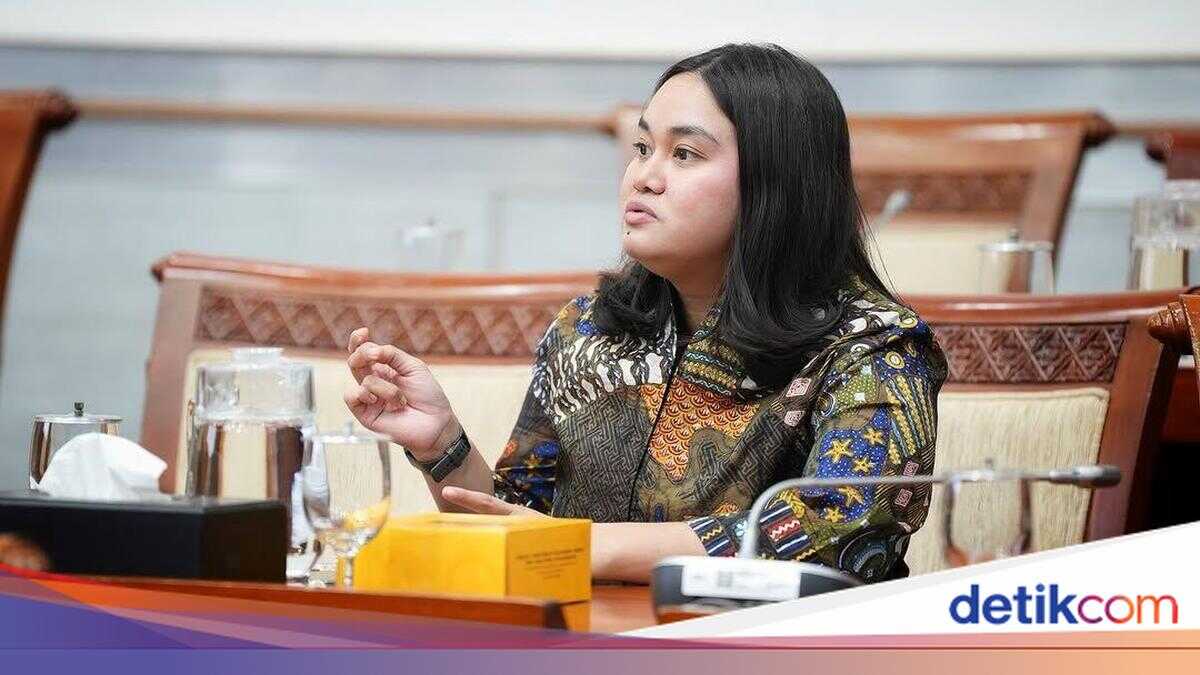
Farah Puteri Nahlia, a member of Commission I of the Indonesian House of Representatives (DPR RI), expressed support for the government’s move to limit access to social media for children under 16. The PAN legislator said the policy adopted by the Ministry of Communications and Digital Affairs (Komdigi) is a progressive step.
‘This policy is not at all intended to distance children from technological progress. On the contrary, we want them to enter the digital world at the right age and with maximum protection,’ Farah told reporters on Saturday, 6 March 2026.
The protective measures are implemented through Government Regulation No. 17 of 2025 (PP Tunas). The regulation requires digital platforms to filter dangerous content, provide a responsive reporting mechanism, and implement strict age verification.
PP Tunas also bans the commercialisation and profiling of children’s data, with stringent sanctions for violators. Farah regards the policy as tangible evidence that the state will not stay idle in addressing children’s digital rights.
‘The arrival of PP Tunas is tangible evidence that the state will not stay idle on children’s digital rights, because the rule concretely forces platforms to impose clear protections. We must support this policy so that children have a truly safe and healthy digital space for their growth,’ Farah said.
Nevertheless, Farah warned that regulation and systemic instruments will not operate optimally without ongoing education. Therefore, she urged Komdigi to ramp up a massive digital literacy programme, targeting parents as the primary audience.
‘This literacy approach is crucial so that social media restrictions are not understood by children as an authoritarian ban, but are accompanied by dialogue and educational guidance from the family environment,’ Farah said.
‘TRegulation is not solely the task of a single ministry, but our shared responsibility to ensure Indonesian children grow up healthy and safe in the digital era,’ she added.