
Indonesia reaffirms commitment to implementation of mandatory halal certification at WTO STC
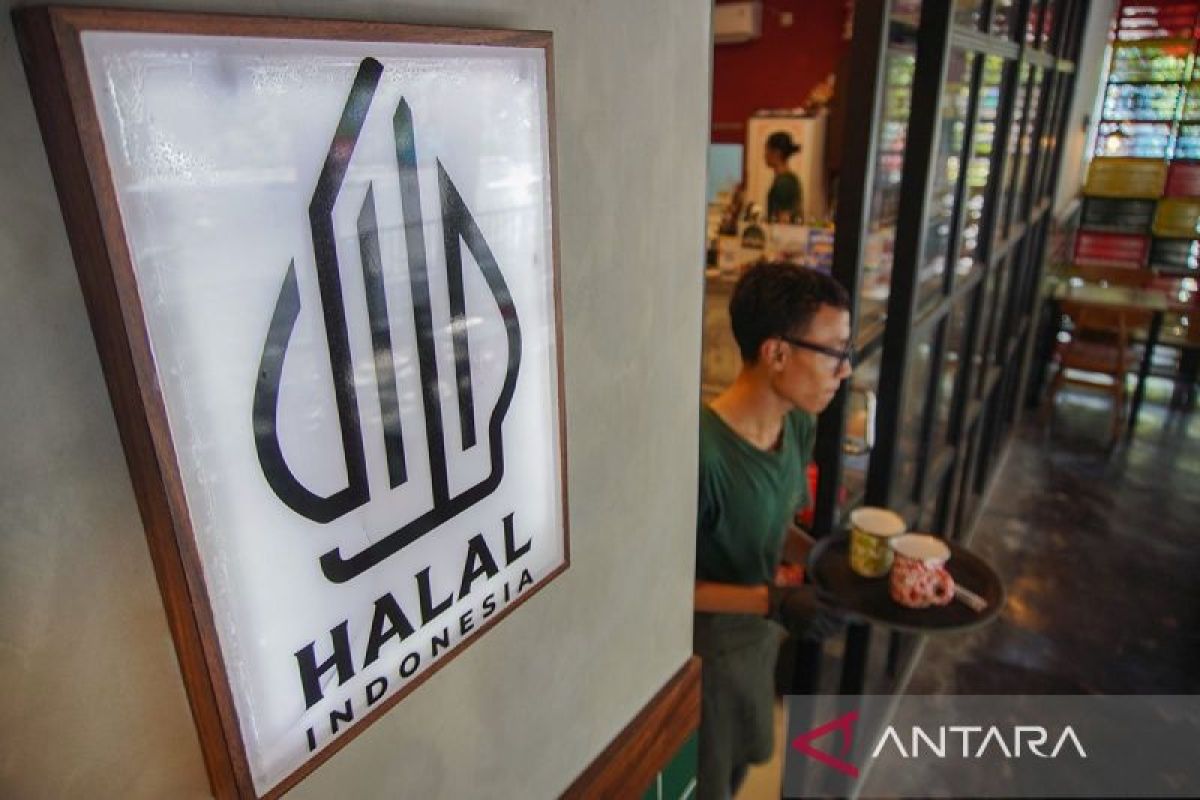
Jakarta – Indonesia has reaffirmed its commitment to continuing the implementation of mandatory halal certification policy during the World Trade Organization (WTO) Specific Trade Concern (STC) forum.
“Indonesia reaffirms that the implementation of mandatory halal certification will continue according to the schedule that has been set,” stated Ahmad Haikal Hasan, Head of the Indonesian Halal Product Assurance Agency (BPJPH), in a statement in Jakarta on Monday.
Haikal further noted that the implementation of this policy follows the previously established schedule for October 2026.
“At this stage, no further extension or additional transition period is planned, considering that the implementation schedule has been communicated widely to all stakeholders from the outset,” he said.
Previously, the Indonesian government had granted a transition period by extending the mandatory halal certification deadline for several product categories, including food and beverage products from micro and small enterprises (MSEs), imported products, slaughtered products, and slaughtering services, until 17 October 2026, from the previous date of 17 October 2024.
The extension of this transition period was intended to provide adequate time for completing mutual recognition arrangements and to give businesses the opportunity to prepare for compliance with applicable requirements.
He also emphasised that in accordance with regulations, products containing non-halal materials may still be imported, circulated, and traded in Indonesia, provided they bear clear non-halal labelling as required by applicable regulations.
“Thus, products derived from materials prohibited in halal standards can still be imported and distributed in Indonesia by meeting the relevant requirements,” he said.
Haikal further explained that recognition of foreign halal certificates is conducted on a bilateral basis and based on the principle of reciprocity between Indonesia and partner countries.
In accordance with applicable regulations, only Foreign Halal Certification Bodies that are established or authorised by the government or a competent Islamic authority in the country of origin, recognised by a competent authority, and accredited by the national accreditation body or accredited by the BPJPH accreditation team, can conduct product certification for the Indonesian market.
“Cooperation on mutual recognition of halal certificates is very important within the framework of economics and trade between Indonesia and partner countries,” Haikal said.
Additionally, Indonesia explained that halal logistics arrangements, including packaging, storage, and distribution services, are aimed at maintaining the integrity of halal products throughout the supply chain and preventing potential cross-contamination with non-halal materials.