
Indonesia Ranks Second in Measles Cases Globally
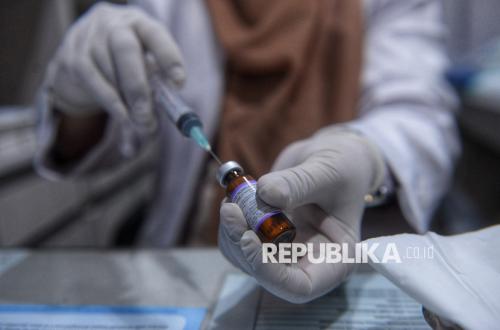
Indonesia ranks second in the world for measles cases, according to data released by the Indonesian Paediatric Association (IDAI). Indonesia has recorded 10,744 measles cases, behind Yemen which holds first place with 11,288 cases.
IDAI Chairman Dr Piprim Basarah Yanuarso said the increase in measles cases is directly linked to declining measles immunisation coverage in the community. He noted that some parents currently remain hesitant or fearful about vaccinating their children.
“I recall that in 2012, I frequently debated with groups of parents who refused vaccination. It turns out that now in 2026, there are still those who fear giving vaccines to their children. This is certainly a setback, as Indonesia has now become the second-place champion in measles cases globally,” Dr Piprim said in an interview at Rumah Vaksin in East Jakarta on Thursday (12 March 2026).
Piprim explained that measles vaccination is critically important because the disease can cause serious complications, particularly in children with malnutrition or weakened immunity. Common complications include pneumonia, severe diarrhoea leading to dehydration, ear infections risking hearing loss, and encephalitis.
“Measles vaccination is very important because measles can lead to serious complications. Severe measles can cause pneumonia, encephalitis, and persistent diarrhoea,” he said.
He explained that measles is highly contagious. The basic reproduction number (R₀) for measles is estimated between 12 and 18, meaning one infected person can transmit the virus to dozens of others. This transmission rate is even higher than COVID-19.
Given the rapid transmission rate, measles immunisation coverage must reach very high levels above 95 per cent to establish herd immunity. According to Dr Piprim, Indonesia previously achieved this threshold, but immunisation coverage has since begun to decline.