
Indonesia pushes inclusive transport for vulnerable groups
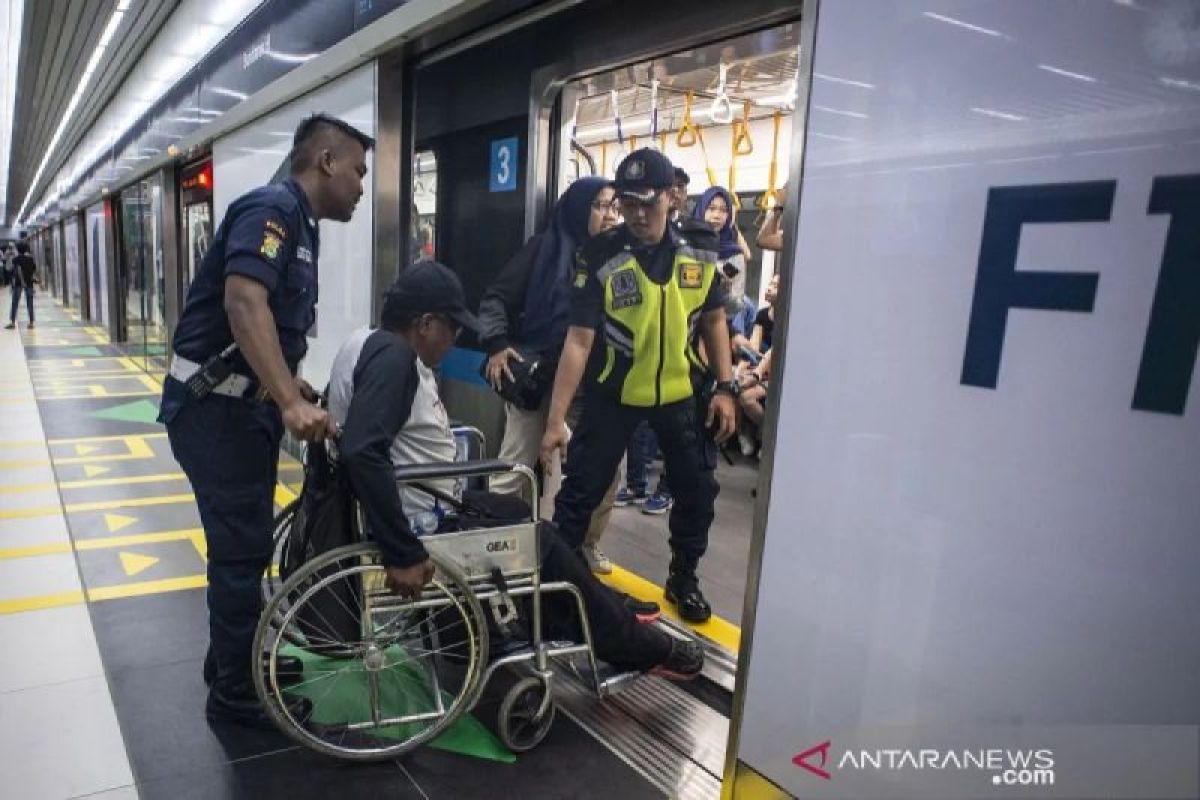
Vulnerable groups often face a double hurdle: limited physical access and a lack of responsive service,Jakarta (ANTARA) - The Indonesian Ministry of Transportation is strengthening inclusive transportation services for vulnerable groups and underdeveloped, frontier, and outermost (3T) regions by improving accessibility, service quality, and human resources quality.
“The Ministry of Transportation continues to strengthen its commitment to providing inclusive, accessible, and responsive public transportation services for vulnerable groups,” the ministry’s Secretary General Arif Toha said in a statement in Jakarta on Monday.
This commitment was demonstrated through a workshop titled Good Practices in User-Friendly, Responsive, and Sensitive Transportation Services for Vulnerable Groups 2026, held both online and offline in Jakarta.
He underscored that transportation development should focus not only on infrastructure and connectivity but also on ensuring equal access for all members of society, including vulnerable groups like people with disabilities, older adults, women, children, and those living in 3T regions.
Toha noted that 2026 serves as a crucial momentum for transportation providers to transform their services, making them more inclusive and capable of reaching all segments of society.
According to him, the national transportation sector has made significant progress over the last five years in terms of infrastructure development, connectivity, and service quality.
Nevertheless, Toha said, the benefits of equitable transportation development have not yet fully reached vulnerable groups, as they still face various challenges in accessing transportation services.
“Vulnerable groups often face a double hurdle: limited physical access and a lack of responsive service,” he said.
He outlined that there are three main areas of focus to realize inclusive transportation: accelerating policies friendly to vulnerable groups, strengthening human resource capacity, and fostering cross-sector collaboration.
“Responsive transportation does not come from infrastructure alone, but also from upgrading human resource capacity. Staff at terminals, stations, airports, and ports must be equipped with training on serving groups with special needs,” Toha remarked.
Related news: Jakarta expands school bus fleet with 32 disability-friendly units
Related news: Indonesia targets 300 certified coaches for disability sports
Related news: RI Govt vows to expand disability-friendly health centers
Translator: Muhammad Harianto, Raka Adji