
Indonesia pushes for WTO reform at Ministerial Conference in Cameroon
Indonesia is prepared to champion national interests and World Trade Organisation (WTO) reforms through participation in the 14th WTO Ministerial Conference (MC14), to be held from 26 to 29 March 2026 in Yaoundé, Cameroon.
In a statement from the Ministry of Trade (Kemendag) in Jakarta on Wednesday, Indonesia will bring several strategic priority agendas to ensure the multilateral trading system remains inclusive, fair, and capable of addressing global economic challenges.
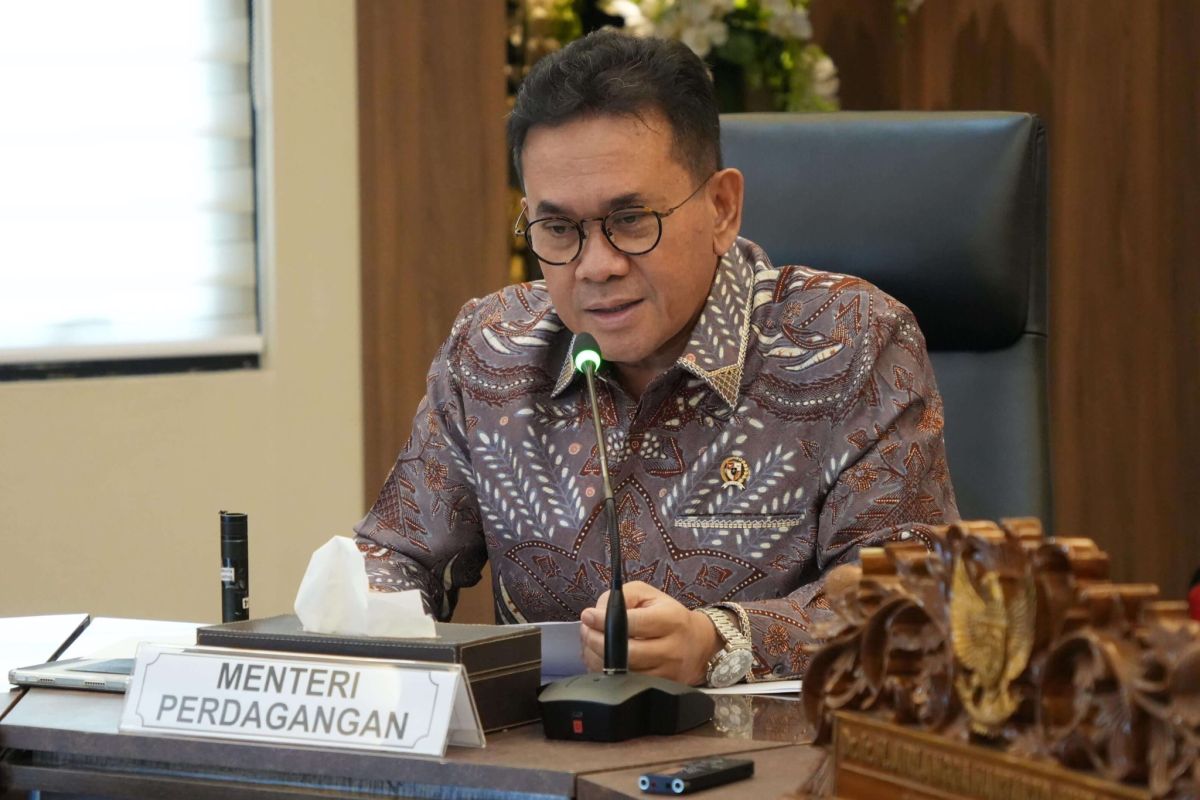
Trade Minister Budi Santoso emphasised that WTO reforms will strengthen the global trading system without abandoning the organisation’s fundamental principles, with benefits particularly felt by developing countries.
“WTO reforms can strengthen the system and uphold core principles, including consensus-based decision-making and special and differential treatment for developing countries. Indonesia will also continue to push for the prompt restoration of the dispute settlement system to provide legal certainty for all members,” said Budi.
Several issues that Indonesia will champion include fisheries subsidies, agriculture, e-commerce-based trade, incorporation of joint initiative agreements, and non-violation and situation complaints (NVSC).
These agendas have been intensively coordinated with various Indonesian ministries and agencies to ensure a strong position in multilateral negotiations.
Indonesia will also continue active engagement in negotiations on additional provisions to the Agreement on Fisheries Subsidies (AFS) and agricultural sector talks, highlighting the importance of food security, including government food reserve policies.
This is in light of future challenges, one of which is climate change that will alter global food production.
Indonesia believes that global rules in these sectors must provide fair space for developing countries to maintain domestic food stability.
“Indonesia always advocates for support for small farmers and fishers in agricultural and fisheries subsidy negotiations, primarily to create fair, effective, and sustainable rules,” said Budi.
On digital trade issues, Indonesia emphasises the importance of comprehensive discussions on the future of the moratorium on customs duties on electronic transmissions (CDET) and the continuation of the Work Programme on E-Commerce at the WTO.
According to Budi, every global policy in the field of e-commerce must consider digital divides and the development needs of developing countries.
The Indonesian delegation to the WTO forum will be led by Johni Martha, Special Staff for International Relations at the Indonesian Ministry of Trade.
In addition to attending the main sessions, the Indonesian delegation is scheduled to participate in several ministerial-level meetings, coordination meetings for developing country groups, bilateral meetings, and various other supporting agendas to strengthen Indonesia’s position in international trade negotiations.