
Indonesia pushes for subsidies for fishermen in WTO agreement
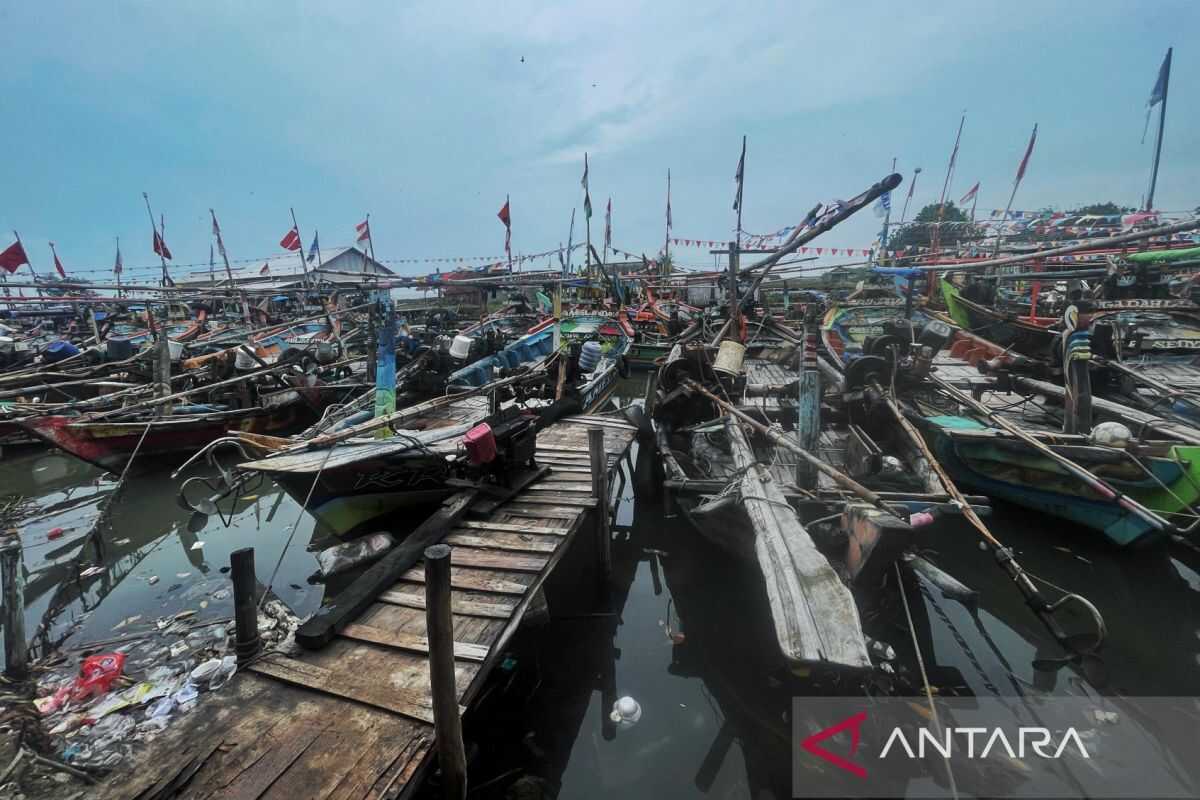
The Indonesian government is still pushing for subsidies for small-scale fishermen in the second phase of negotiations of the World Trade Organization (WTO) Agreement on Fisheries Subsidies (AFS II).
Director of Fisheries Resources Management at the Ministry of Maritime Affairs and Fisheries, Syahril Abd Raup, said that subsidies such as fuel, fishing gear, and vessels remain very much needed by the majority of fishermen in Indonesia.
‘This must be addressed with great caution, as 90 percent of our fishermen are categorised as small-scale fishermen who still require government subsidies,’ Syahril said at a virtual discussion in Jakarta on Thursday.
Syahril emphasised that the treatment of fisheries subsidies should be differentiated between developed and developing countries. He said developed countries generally provide subsidies through financial schemes such as low-interest loans, while developing countries still rely on direct subsidies such as fuel, assistance with fishing gear, and support for fisheries infrastructure.
He noted that applying subsidy discipline too uniformly could create inequities between developed countries with large-scale fishing fleets and developing countries dominated by small-scale fishermen.
‘The government wants to ensure that internationally agreed policies do not constrain national policy space in supporting the small-scale fisheries sector,’ he said.
He stressed that Indonesia would push for the right to special and differential treatment (S&DT) to protect small-scale fishermen and domestic policy space in the ratification process.
The WTO Agreement on Fisheries Subsidies (AFS) is an agreement adopted at the WTO Ministerial Conference (MC12) in Geneva in June 2022 and came into force on 15 September 2025 after ratification by 116 countries.
The agreement is the WTO’s first multilateral deal that specifically regulates subsidies to fisheries deemed to contribute to overfishing and damage to marine resources.
In the first phase (AFS I), WTO members agreed to ban three types of subsidies: subsidies for IUU fishing (illegal, unreported, and unregulated fishing); subsidies for fishing of stocks that have become overfished; and subsidies for fishing operations on the high seas that are not under regional fishery management organizations.
Indonesia has not yet ratified AFS. The government says ratification needs to consider alignment with national policy, including the mandate of Law Number 7 of 2016 on the Protection and Empowerment of Fishermen, which requires the state to provide support and facilitation, including in the form of subsidies, for small-scale fishermen.
Meanwhile, the second-phase negotiations (AFS II) are ongoing and focus on regulating subsidies that contribute to overfishing and overcapacity.
AFS II includes discussions on government support for the fishing fleet, including subsidies for fuel, shipbuilding, and modernisation of fishing gear.