
Indonesia Pushes Food Security as Top Priority in WTO Agricultural Reform Agenda
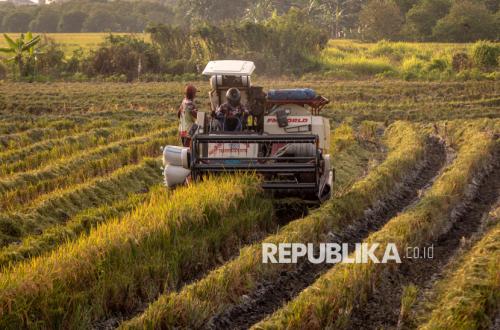
Jakarta — Indonesia’s Trade Minister Budi Santoso has pushed food security to the forefront of agricultural reform discussions at the World Trade Organisation (WTO). He made this call whilst leading a virtual ministerial meeting of the G-33 group of developing nations on Monday, 9 March 2026.
Indonesia utilised the forum to consolidate developing country positions ahead of the 14th WTO Ministerial Conference (MC-14) scheduled for 26-29 March 2026 in Cameroon. The meeting was also directed at reviving WTO agricultural negotiations, which have stalled in recent years.
“Agricultural reform must remain development-oriented, with food security, smallholder farmer welfare, and national development agenda as central components,” Santoso said following the meeting, as reported on Tuesday, 10 March 2026.
The G-33 ministerial meeting carried the theme “G-33 Priorities and Collective Action toward MC-14 for Advancing Inclusive WTO Agricultural Negotiation.” The forum represents part of the regular coordination tradition held ahead of WTO ministerial conferences.
The G-33 coalition comprises 47 developing nations and plays a strategic role in advancing developing country interests whilst shaping the direction of global agricultural reform.
Santoso stated that one of the meeting’s primary objectives was to align the G-33 Joint Ministerial Statement, which will be presented at MC-14. The G-33 ministers sought to maintain unified positions to strengthen developing countries’ negotiating leverage in global trade talks.
“We have expressed concern over limited progress in agricultural negotiations. Indonesia will continue to push a firm yet constructive approach to ensure developing country interests remain on the agricultural reform agenda,” he said.
He outlined several priority issues being pursued in negotiations, including Public Stockholding for Food Security Purposes (PSH) to guarantee food security, the Special Safeguard Mechanism (SSM) as a tool against import surges, and Special and Differential Treatment (S&DT) for developing countries.
Indonesia and fellow G-33 members also strengthened coordination ahead of MC-14. This step was taken to ensure developing country interests receive attention in global agricultural reform.
“Indonesia calls on all G-33 members to reinforce coordination and solidarity ahead of MC-14. Indonesia’s active leadership reaffirms our commitment to pursue a more inclusive and development-oriented multilateral trading system, particularly in supporting food security and smallholder farmer welfare,” Santoso explained.
WTO Director-General Ngozi Okonjo-Iweala and other G-33 ministers also expressed appreciation for Indonesia’s hosting of the meeting. The forum helped identify group priorities whilst pushing WTO agricultural negotiations forward.
“In an uncertain global environment, food security is a fundamental issue, especially for developing countries. The G-33 group plays an important role in ensuring this issue is discussed at MC-14 and in future agricultural negotiations,” Okonjo-Iweala said.
The G-33 ministers also agreed to pursue concrete progress in the agricultural sector at MC-14, viewing this step as important for maintaining WTO credibility and rebuilding trust amongst members.