
Indonesia Pursues Gender Equality Through Strengthening Women's Leadership in the Health Sector
Indonesia is demonstrating a positive trend in efforts to narrow the gender equality gap. According to the Global Gender Gap 2025 report, Indonesia’s ranking has risen three places to 97th globally, with an improved equality score of 69.2%.
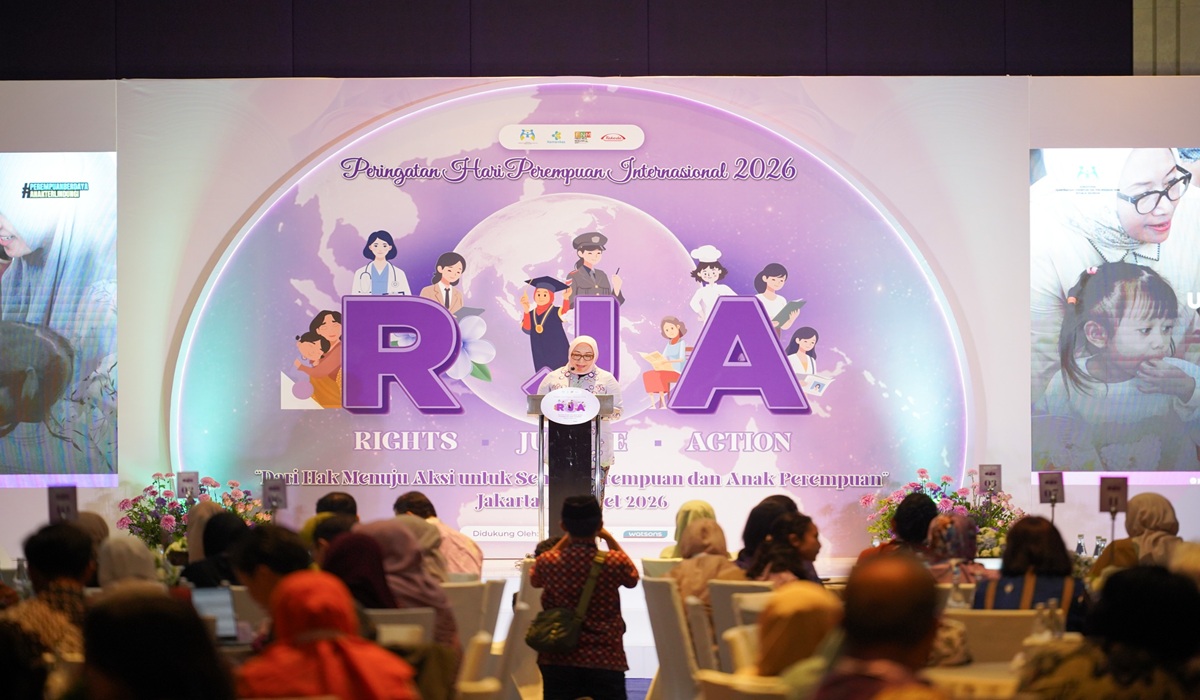
This progress provided the backdrop for the Women’s Forum titled “Rights. Justice. Action. From Rights to Action for All Women and Girls”, held in Jakarta on Tuesday, 10 March. The forum, initiated by the Farid Nila Moeloek (FNM) Society in collaboration with Takeda, brought together cross-sector participants from government, academia, and the private sector. Its primary focus was strengthening women’s roles as drivers of inclusive and sustainable public health.
The Minister for Women’s Empowerment and Child Protection (PPPA), Arifah Fauzi, emphasised that women’s empowerment has a direct correlation with national resilience. “Progress for women must begin with the fulfilment of basic rights, continue with the enforcement of justice, and be realised through concrete action in sustainable development policies and programmes,” she stated.
According to Arifah, equal access to resources will increase economic productivity and improve maternal and child health. Data shows significant improvements in women’s representation in managerial and legislative positions, which has risen from 20.5% in 2006 to 49.4% in 2025.
In the health sector, 90.6% of women now receive a minimum of four antenatal care services during pregnancy. However, structural challenges persist, including 5.9% of women aged 20-24 years who marry before the age of 18, risking hindering their independence.
Prof. Dr. dr. Nila Moeloek, Sp.M(K), founder of FNM Society, emphasised that women must be viewed as community leaders, not merely beneficiaries. Similarly, Dr. Lovely Daisy, MKM, Director of Family Health Services at the Ministry of Health, advocated strengthening a prevention-based health system that places women at the forefront of family health.
The private sector also contributed through long-term partnership commitments. Figen Samdanci of Takeda Pharmaceuticals stated that the company supports initiatives to expand health access and protection from gender-based violence through its Global Corporate Social Responsibility programme.
One example is collaboration with UNFPA Indonesia in the PIHAK (Indonesian Women Living Free from Violence) programme, operating in priority areas including Brebes, Garut, East Lombok, and Serang. Takeda is also partnering with Ipas to improve access to woman-centred reproductive health services.
“Improving public health does not depend solely on the development of innovative medicines and vaccines. At Takeda, we are committed to partnerships that expand access to women’s health services, strengthen protection from gender-based violence, and support prevention efforts in communities. Through our Global Corporate Social Responsibility programme, we support various initiatives aimed at strengthening women’s health and protection, including partnerships with Ipas for woman-centred reproductive health services and with UNFPA through the PIHAK programme to strengthen responses to gender-based violence in Indonesia. Through cross-sector collaboration, Takeda remains committed to working with government and civil society to strengthen public health and safeguard future generations,” Samdanci stated.
Through this synergy, it is hoped that women’s rights and justice will transcend rhetoric and become concrete action that protects future generations.
Deputy Chair of the People’s Consultative Assembly (MPR RI), Lestari Moerdijat, emphasised the importance of expanding women’s participation in STEM fields as a strategy to increase innovation, competitiveness, and human resources development in Indonesia.
In every conflict and disaster situation, women are now increasingly perceived as activists driving justice and defending human rights in Indonesia.