
Indonesia Pursues Energy Independence Through Renewable Energy
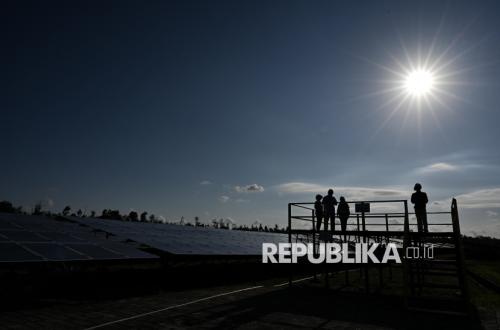
The government is accelerating the development of renewable energy to reduce dependence on energy imports amid rising global geopolitical tensions. Conflicts in the Middle East are seen as increasing risks to global oil supply and distribution.
Presidential Envoy for Climate and Energy Hashim Djojohadikusumo stated that global geopolitical situations, including conflicts involving Iran, Israel, and the United States, directly impact the energy security of various countries, including Indonesia.
‘The current complex geopolitical situation due to the Iran, Israel, and United States conflict is affecting our energy supply,’ Hashim said in Samarinda, East Kalimantan on Monday, 25 May 2026.
He added that the threat of the Strait of Hormuz closure could disrupt global oil distribution routes and pressure crude oil and derivative supplies.
Hashim stated that the government has secured energy supply commitments from Russia. President Vladimir Putin is said to have approved the delivery of 150 million barrels of oil to Indonesia this year.
‘This strategic agreement is crucial to ensure domestic energy supply security. It also ensures stable national fuel prices,’ Hashim said.
The government also ensures energy price stability without removing subsidies for low-income households.
Despite current energy supplies being secure, the government continues to push for accelerated energy transition to anticipate potential future geopolitical crises.
‘The threat of war escalation in the Middle East could resurface at any time. The potential closure of the Strait of Hormuz could suddenly threaten oil distribution routes,’ he said.
Therefore, the government views developing domestic renewable energy as a crucial step to strengthen national energy independence.
One of the projects underway is the development of the 300-megawatt Batoq Kelo hydropower plant (PLTA).
‘Utilising domestic natural resources is the primary solution to meet Indonesia’s high energy demands,’ Hashim said.
The government also aims to develop clean energy in line with national carbon emission reduction targets. Hashim stated Indonesia remains committed to achieving net zero emissions by 2060 or sooner.
‘We aim to achieve net zero emissions by 2060 or even earlier,’ he said.