
Indonesia pledges habitat restoration to protect Sumatran elephants
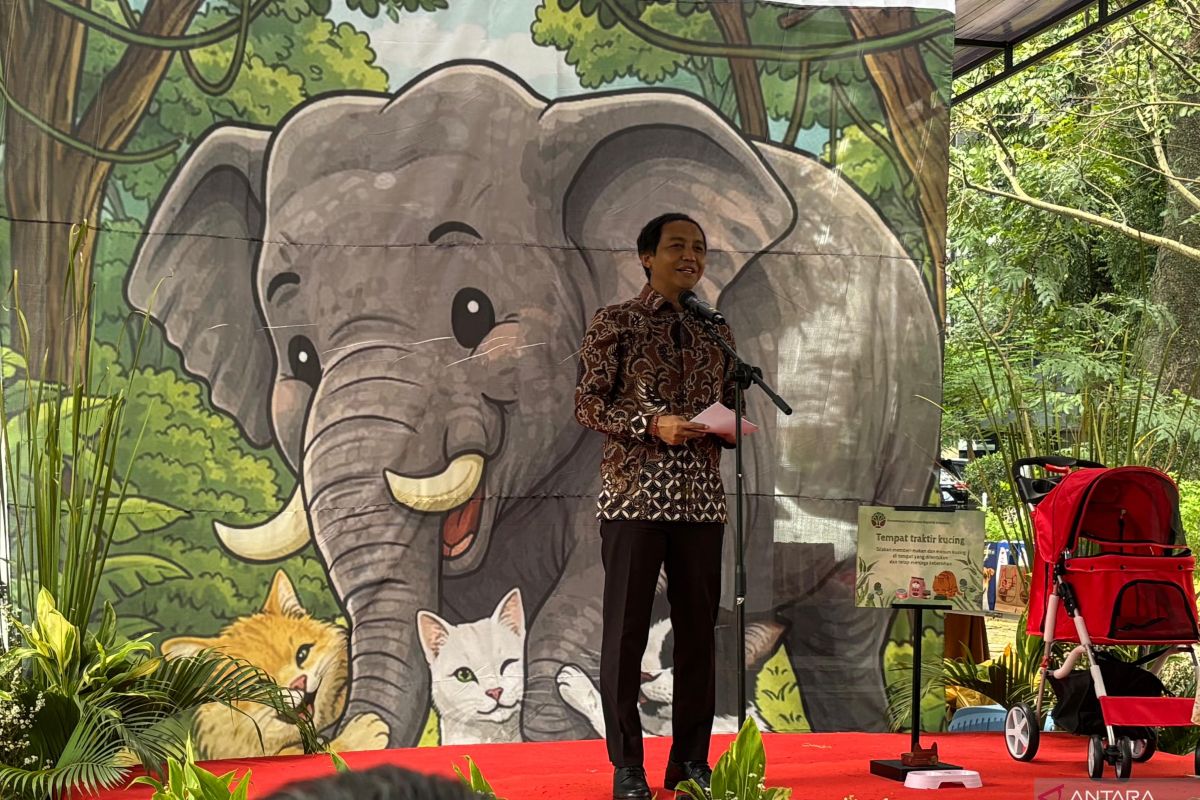
Speaking after opening an animal welfare event in Jakarta on Thursday, Antoni announced that reforestation is underway in Tesso Nilo National Park following the reclamation of land and the removal of illegal palm plantations.
“After decades, this is the first time the government, under President Prabowo Subianto, has taken concrete action to save Tesso Nilo National Park,” he said, highlighting the long-standing struggle against illegal encroachment in the conservation area.
The minister stated that a government task force recently reclaimed forest areas, and the Forestry Ministry now plans to restore 66,704 hectares in Tesso Nilo, beginning with an initial 2,574 hectares in 2026.
To provide stronger political support for the initiative, Antoni will revisit Tesso Nilo next week alongside House Commission IV Chair Siti Hediati Hariyadi (Titiek Soeharto) and Police Chief General Listyo Sigit Prabowo.
Conservation efforts will also extend to Sebanga and Minas, which are key habitats for Sumatran elephants.
“In Sebanga, we expanded the habitat area from one hectare to 15 hectares. We have built water sources, feeding enrichment areas, and treatment pens, and are planning an elephant hospital in collaboration with an institution in India,” Antoni said.
He emphasized that these measures demonstrate the administration’s commitment to protecting Indonesia’s iconic wildlife while improving habitat management and veterinary care.
“These steps show real action to safeguard our country’s unique species and restore ecosystems for long-term conservation,” he added.
The Sumatran elephant is currently listed as critically endangered, with habitat loss and poaching driving a declining population.
According to the World Wildlife Fund (WWF), the population is estimated at only 2,400–2,800 individuals.
The organization warns that poaching for the illegal ivory trade remains a global threat, with ivory still appearing in markets across Africa, Asia, the United States, and Europe.
Related news: Prabowo prepares presidential directive to protect elephant population
Related news: Indonesia to reconnect Sumatran elephant corridors in Riau
Translator: Prisca TV, Rahmad Nasution