
Indonesia on Alert! Automotive Industry in Thailand and Others on High Alert for Wave of Layoffs
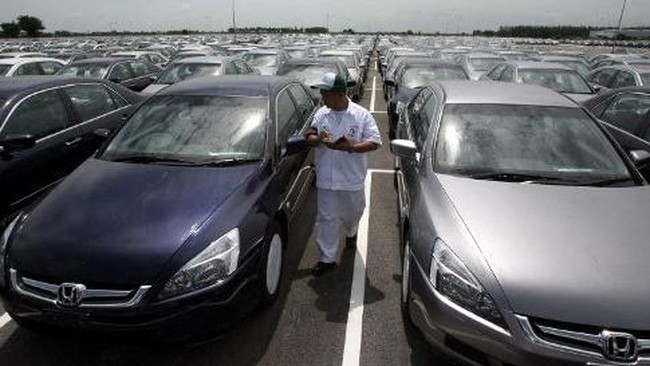
Indonesia on Alert! Automotive Industry in Thailand and Others on High Alert for Wave of Layoffs
Jakarta, CNBC Indonesia - Thailand’s automotive industry is at a crucial point. Vehicle production, reaching around 1.45 million units per year, now faces major changes due to electrification and automation. These shifts are not just about technology but also concern the fate of nearly one million workers in the sector.
The transition to electric vehicles (EVs) and the use of robots on production lines is fundamentally altering the industry’s structure. The simpler complexity of vehicles is changing labour requirements. On the other hand, global pressures require companies to remain efficient and competitive.
IndustryALL Global Union, a giant international federation of trade unions, highlights the importance of trade unions’ role in these changes. Especially since the number of automotive workers in Thailand reaches one million people.
“From the trade union perspective, the most fundamental thing is the existence of the union itself. Companies must not close off space for workers to have a collective voice and engage in dialogue,” said Director of Automotive and Aerospace IndustryALL Global Union Georg Leutert, quoted from the international labour organisation’s podcast, ILO, Friday (17/4/2026).
Workplace democracy is crucial in facing major changes. Workers’ voices must also play a role in determining the company’s direction.
“There must be ongoing exchange between management and workers to find joint solutions. In addition, companies must also consider their impact on the wider society,” he explained.
These major changes are already visible in various advanced countries. Many automotive workers have lost jobs due to the shift to simpler electric vehicles.
“We see more than 100,000 automotive jobs lost in Germany last year. This trend is also occurring in the United States, Japan, and other countries,” said Georg.
He believes that financial compensation alone is not enough to address the issue.
“The solution cannot just be severance pay. We must focus on retraining and skill enhancement so workers can get new jobs,” he stressed.
Amid these changes, collaboration between companies, workers, and the government becomes a determining factor. Without an inclusive approach, the transformation risks leaving many workers behind.
“In times of transformation like now, the most important thing is how companies and trade unions agree on ways to manage change without everyone losing their jobs,” said Georg.