
Indonesia No Longer Safe! Frequent Tropical Cyclone Attacks, Here's the Root Cause
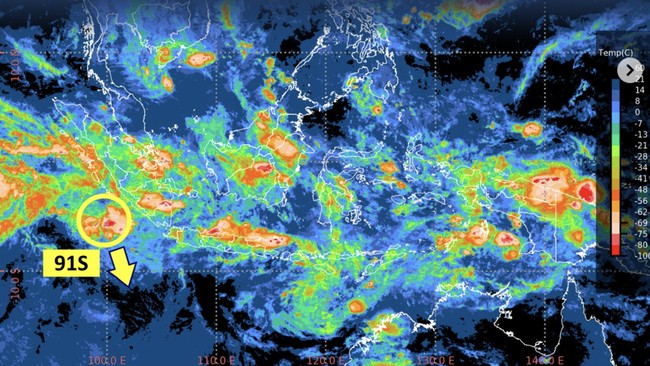
Jakarta — Indonesia is increasingly vulnerable to tropical cyclone threats. The National Research and Innovation Agency (BRIN) has identified a rise in cyclone intensity and a shift in cyclone formation zones due to climate change and rising sea surface temperatures.
According to its latest research, Yosef Prihanto, a researcher at BRIN’s Centre for Climate and Atmospheric Research, stated that Indonesia was previously considered relatively safe from cyclones because of its proximity to the equator. However, this situation is now changing.
“Indonesia is no longer a region that is safe from cyclones. Warmer sea temperatures are increasing the likelihood of cyclone formation, even closer to our territory,” explained Yosef in an official statement on Sunday, 15 March 2026.
Based on data analysis spanning 1990–2023, hundreds of cyclones have been recorded in the waters south of Indonesia, with dozens forming within Indonesian territory itself. This indicates a pattern shift that warrants close attention.
Events such as Cyclone Seroja in 2021 demonstrate the real-world impacts of tropical cyclones, which trigger extreme rainfall, flash flooding, and loss of life.
According to BRIN’s research findings, the combination of several global weather factors and warmer sea temperatures makes extreme weather more likely to occur and last longer.
To enhance preparedness, BRIN, working alongside the Meteorological and Geophysics Agency (BMKG), is developing artificial intelligence-based prediction systems. This technology helps forecast the potential formation of cyclones several days before they occur, giving the government and public more time to prepare.
“Our Centre for Climate and Atmospheric Research is developing a prediction model that can help early warning systems become more accurate. With faster and more precise information, casualties can be reduced,” said Yosef.
Beyond strengthening technology, BRIN also emphasises the importance of infrastructure readiness and improving public understanding of weather information. Measures such as constructing wind-resistant buildings, strengthening drainage systems, and rehabilitating mangrove forests in coastal areas form part of the adaptation strategy.
Additionally, BRIN has urged the public to understand early warning alerts and know what steps to take when extreme weather occurs. It has also stressed the need for collaboration between the government, researchers, and the community.