
Indonesia Needs Massive Funding for Energy Transition
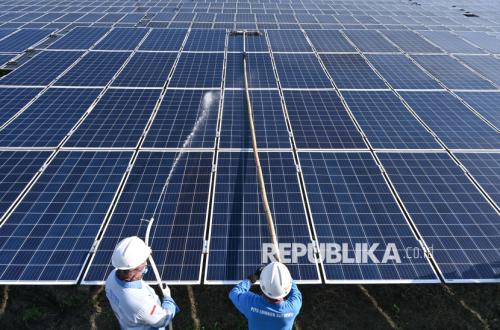
Indonesia requires approximately $97 billion in clean energy investments by 2030 to support national energy transition and emissions reduction targets. Funding needs are expected to rise with the development of renewable energy, electric vehicles, data centres, and artificial intelligence (AI).
Amid these investment demands, Indonesia has become a key destination for Chinese clean energy companies expanding into the ASEAN region. This push follows HSBC China’s launch of a $4 billion credit facility, or approximately Rp65 trillion, to support Chinese low-carbon companies’ international expansion, including into Indonesia.
HSBC Indonesia President Stuart Rogers stated that Indonesia’s energy transition financing needs remain substantial, requiring global investment and technological support.
“Indonesia is one of the largest opportunities for clean energy investment in the region. HSBC aims to connect Indonesia’s needs with global clean energy companies, including those from China,” Rogers said in a statement on Thursday, 28 May 2026.
The funding will be directed towards renewable energy, electric vehicles, data centres, and AI sectors, which are expected to require greater energy supply in the coming years.
Strengthening green investments aligns with the accelerated development of the ASEAN Power Grid, which ASEAN nations are promoting to enhance regional energy integration.
Additionally, the implementation of ASEAN-China Free Trade Area (ACFTA) 3.0 is opening up broader cooperation in the green economy, digital economy, and industrial supply chains.
The Indonesian government, through the 2025 Power Supply Business Plan (RUPTL), targets adding 42,569 megawatts of renewable capacity by 2034, more than double the previous plan.
The influx of new funding is expected to accelerate the development of national clean energy projects, which have long faced challenges due to high capital requirements.