
Indonesia Lost Nearly Rp 2,000 Trillion in Investment Opportunities in 2024 Due to Complex Licensing
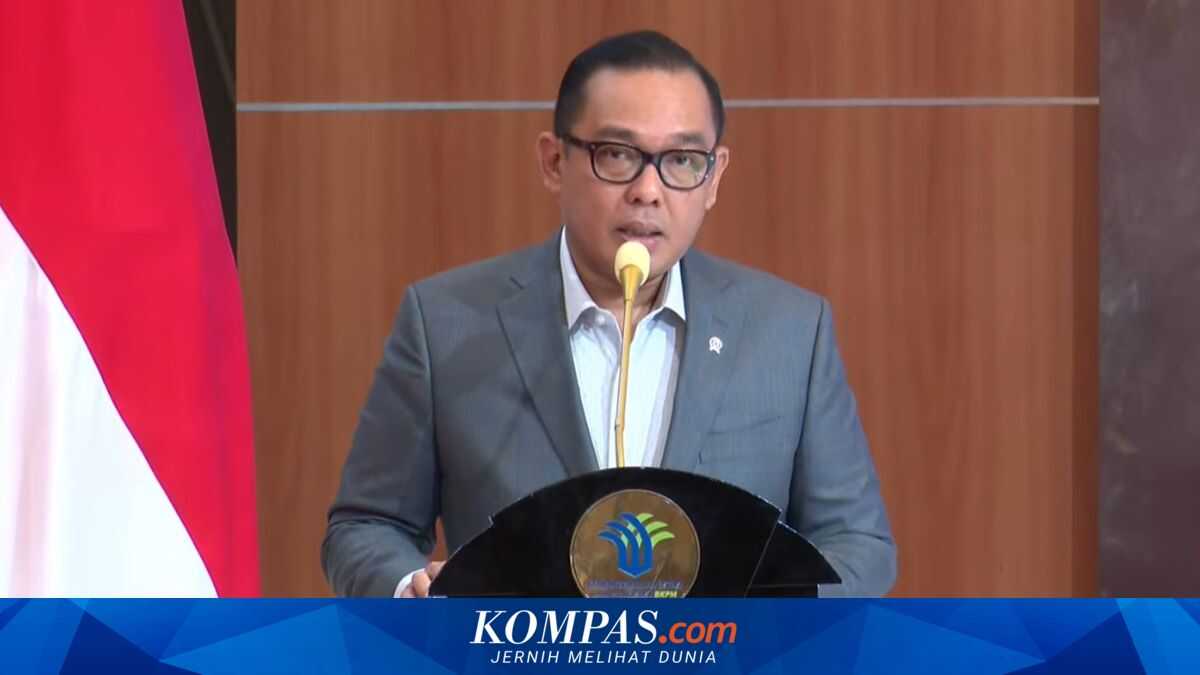
JAKARTA — Deputy Minister of Investment and Downstreaming/Deputy Head of the Investment Coordinating Board (BKPM) Todotua Pasaribu revealed that Indonesia lost nearly Rp 2,000 trillion in investment opportunities in 2024, owing to a complex licensing system and an unconducive investment climate.
According to Todotua, these conditions caused planned investments to fail to materialise — what he termed “unrealised investment”.
“We found that in 2024, the figure for unrealised investment was around Rp 1,500 trillion, possibly reaching Rp 2,000 trillion,” Todotua said at a Public Consultation on the Draft Regulation of the Minister of Investment and Downstreaming, broadcast online on Thursday (3 July 2025).
“Unrealised investment. Why? Because of issues like these — licensing, an unconducive investment climate, various overlapping policies, and so on,” he explained.
Nevertheless, Indonesia’s realised investment in 2024 reached Rp 1,700 trillion. Todotua noted this exceeded the target of Rp 1,650 trillion.
In light of these conditions, the Ministry of Investment and Downstreaming has conducted an evaluation and seeks to make improvements. Todotua said his office is revising a number of ministerial regulations to facilitate and accelerate investment realisation.
One area being reformed concerns direct licensing for investment in industrial zones, special economic zones, and free trade zones. Licences can be issued more quickly whilst additional requirements can be completed during post-audit implementation.
“If investors are ready to enter, we issue the licence immediately. But the basic requirements — we simply post-audit those. The government must make breakthroughs so we can provide fast service,” Todotua explained.
“For investors, the business cycle of their intended investment has often already changed by the time the licence is issued. If the licensing process takes one, two, or three years after application before they can proceed, that is the problem,” he continued.
Todotua said the government needs to create breakthroughs for certain designated zones, where licences can be issued immediately once investors are ready to commit capital.
“The rest we post-audit. Because once someone has invested, they’re not going to flee. But we also shouldn’t make them wait until all licences are completed before they can begin investing,” Todotua said.