
Indonesia Launches US$4.9 Billion Semiconductor Manufacturing Hub in Batam
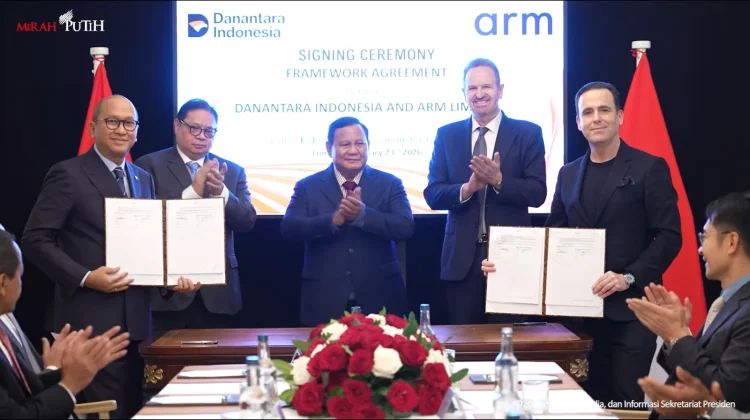
Galang project aims to transform Batam into global semiconductor player Indonesia is taking a bold step into the global semiconductor race, positioning Batam as a future chip manufacturing hub through a multibillion-dollar partnership with the United States. US$4.9 Billion Commitment for Galang Indonesia has formally partnered with the United States to develop an integrated semiconductor ecosystem in Galang, Batam. The agreement was signed on February 18 at the US Chamber of Commerce and witnessed by President Prabowo Subianto as part of the National Strategic Project Wiraraja Green Renewable Energy and Smart Eco-Industrial Park. The first phase carries a funding commitment of US$4.9 billion, equivalent to approximately SGD 4.9 billion. The project will be managed by PT Galang Bumi Industri in collaboration with US-based firms including Essence Global Group and Tynergy Technology Corporation. Strategic Location and Green Energy Focus Galang was selected due to its strategic position within Indonesia’s industrial roadmap and its alignment with green energy-based development. The project is designed to integrate renewable energy infrastructure with advanced manufacturing capabilities. By embedding sustainability into semiconductor production, Indonesia aims to compete with established Asian chip producers while appealing to global technology companies seeking resilient and diversified supply chains. Batam’s Bid for Global Tech Relevance The development is expected to elevate Batam’s status within the global technology ecosystem. Industry observers note that the island’s proximity to Singapore strengthens its attractiveness as a regional manufacturing and logistics hub. Several major US technology companies, including Apple and NVIDIA, are reportedly considering Batam as part of their Southeast Asian supply chain strategies, signaling potential long-term industry spillover effects. Business Community Urges Preparedness Rafki Rasyid, Chairman of the Indonesian Employers Association Batam, emphasized that infrastructure readiness and efficient licensing processes are critical to securing investor confidence. He warned that administrative bottlenecks could undermine the project’s momentum. He urged local authorities to ensure that all investment prerequisites are fulfilled before operations begin, stressing that such an opportunity should not be delayed by issues within domestic control. National Strategic and Economic Impact As part of Indonesia’s broader National Strategic Project framework, the semiconductor initiative aligns with Jakarta’s ambition to move up the global value chain. Strengthening domestic chip production could reduce reliance on imports and enhance technological sovereignty. The partnership also reflects Indonesia’s growing economic diplomacy with the United States, particularly in high-value sectors tied to energy transition and digital transformation. The Batam semiconductor project marks a pivotal moment for Indonesia’s industrial ambitions and could reshape regional technology supply chains. With Batam strategically positioned near Singapore, successful execution may deepen cross-border industrial integration and reinforce Southeast Asia’s role in the global semiconductor landscape. Sources: Indonesia Expat (2026) , RRI (2026) Keywords: Batam Semiconductor Hub, US$4.9 Billion Investment, Prabowo Subianto, Galang GESEIP Project, APINDO Batam