
Indonesia Joins Global 50-in-5 Campaign to Build Inclusive Digital Future
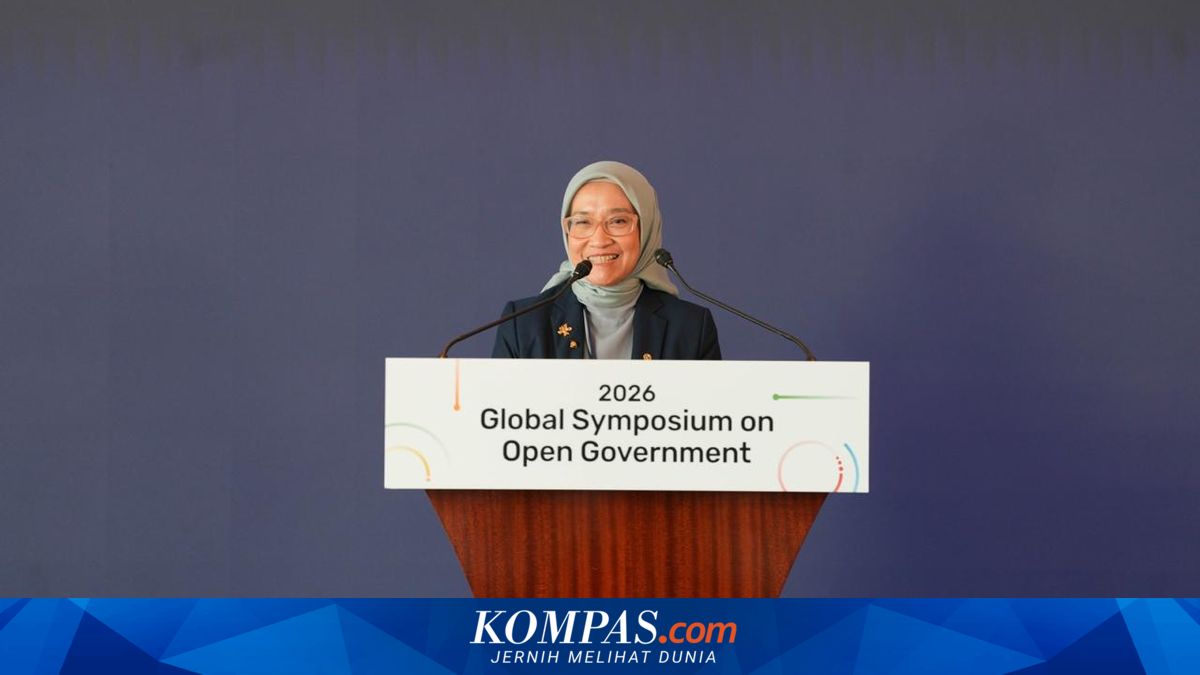
The Indonesian government has officially joined the Global 50-in-5 campaign, an international initiative led by member countries to accelerate the development of secure, inclusive, interoperable, and citizen-centric Digital Public Infrastructure (DPI). Amid global digital transformation, Indonesia believes success is not determined by the number of applications built, but by how effectively benefits are felt in daily life. 50-in-5 brings together governments and global partners to strengthen digital public infrastructure foundations, including digital identity, digital payments, secure data exchange and service systems, artificial intelligence deployment, and integrated digital government service portals. All these foundations aim to deliver public services that are more accessible, connected, and responsive to citizens’ needs. For Indonesia, joining 50-in-5 is not merely part of a global movement but a commitment to ensuring digital transformation delivers tangible, equitable, and meaningful impacts for all citizens. The statement was made by Rini during her speech at the OECD Global Symposium 2026 in Seoul, South Korea, earlier this month. According to Rini, citizens do not perceive government presence through technical jargon, but through real experiences when public services become more accessible when needed. She cited examples such as elderly citizens no longer struggling with cumbersome bureaucracy or rural mothers not losing daily income due to administrative paperwork. ‘For Indonesia, DPI is not just about connecting systems. DPI is about ensuring the government becomes more responsive, integrated, and present in citizens’ lives,’ said Rini, who also serves as the First Vice Chair of the Government Digital Transformation Acceleration Committee (KPTDP). The Indonesian DPI ecosystem continues to evolve through strategic components such as Digital Identity (IKD), Government Digital Data and Service Linking System (SPDLDP), implementation of One Data Indonesia (SDI), and the use of data analytics and artificial intelligence to support public services. Additionally, the government is developing interoperable digital payment systems via QRIS, BI-FAST, and the National Payment Gateway (GPN), along with the integrated service portal INAku, a citizen-centric government service entry point supported by verifiable credentials. In this ecosystem, IKD serves as a digital identity enabling citizens to access various identity-based services via smartphones.