
Indonesia intensifies diplomatic efforts to ensure safe passage of vessels through Strait of Hormuz
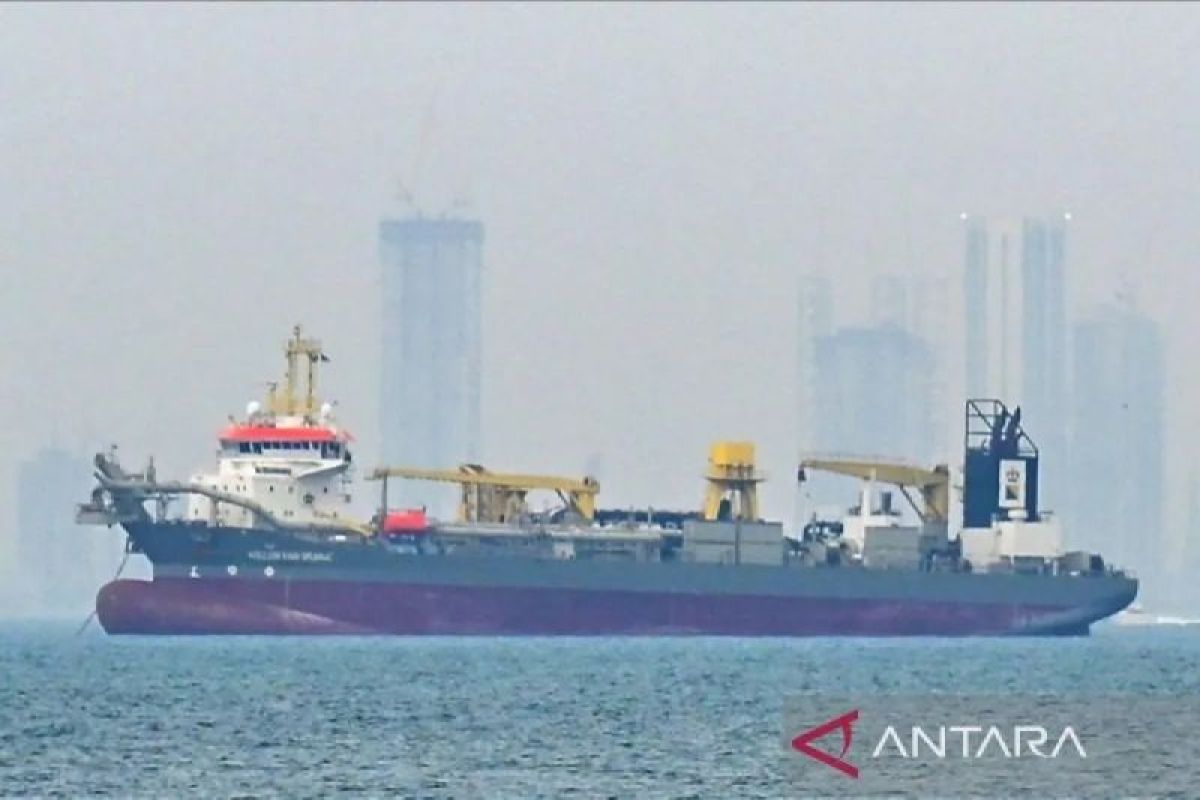
Jakarta — Indonesia’s Foreign Ministry has stated that the Indonesian Government, through the Indonesian Embassy (KBRI) in Tehran, is continuing intensive diplomatic engagement with Iranian authorities to ensure Indonesian vessels can safely transit the Strait of Hormuz.
This was conveyed by Foreign Ministry Spokesperson Yvonne Mewengkang during a media briefing at the Foreign Ministry in Jakarta on Friday.
“Our ambassador in Tehran continues to communicate with the Iranian government and relevant authorities on this matter. We will continue to push for intensive diplomatic engagement regarding this specific issue because it is a crucial matter for us,” said Yvonne.
Iran closed the maritime route through the Strait of Hormuz in retaliation after the United States and Israel attacked Iran on 28 February. The closure of the Strait of Hormuz has resulted in rising global oil prices.
On the same occasion, another Foreign Ministry spokesperson, Nabyl A. Mulachela, stated that with the election of Iran’s new supreme leader, Mojtaba Khamenei, Indonesia hopes peace will be achieved.
“Our hope is that our focus can be directed towards efforts to create peace immediately,” said Nabyl.
He also stated that the Indonesian Government is endeavouring to maintain balance in various efforts to achieve de-escalation of the situation in the Middle East region.
“Whatever is produced, the objective is de-escalation, reducing conflict, and returning to the path of diplomacy,” said Nabyl, emphasising that the Indonesian Government continues to work to ensure national interests are also achieved.
Iran was attacked by the United States and Israel on 28 February, which killed Iran’s supreme leader, Ayatollah Ali Khamenei, and hundreds of students, as well as other senior Iranian officials.
Iran launched retaliatory strikes against US military assets stationed in countries across the Middle East region and effectively closed the Strait of Hormuz waterway.
On Wednesday (11 March), the UN Security Council adopted Resolution No. 2817, which condemned Iran’s “abominable attacks” on neighbouring countries amid escalating violence in the Middle East.
According to the resolution’s contents, the Council condemned “in the strongest terms” Iran’s attacks on Bahrain, Kuwait, Oman, Qatar, Saudi Arabia, the United Arab Emirates, and Jordan, and reaffirmed its strong support for the sovereignty, territorial integrity, and political independence of these nations.
The statement specifically condemned Iran’s attacks on residential areas and civilian objects – demanding immediate cessation – and demanded that Tehran cease threats, provocations, and actions aimed at disrupting maritime trade, as well as support for proxy groups throughout the region.