
Indonesia integrates malaria control for 2030 elimination
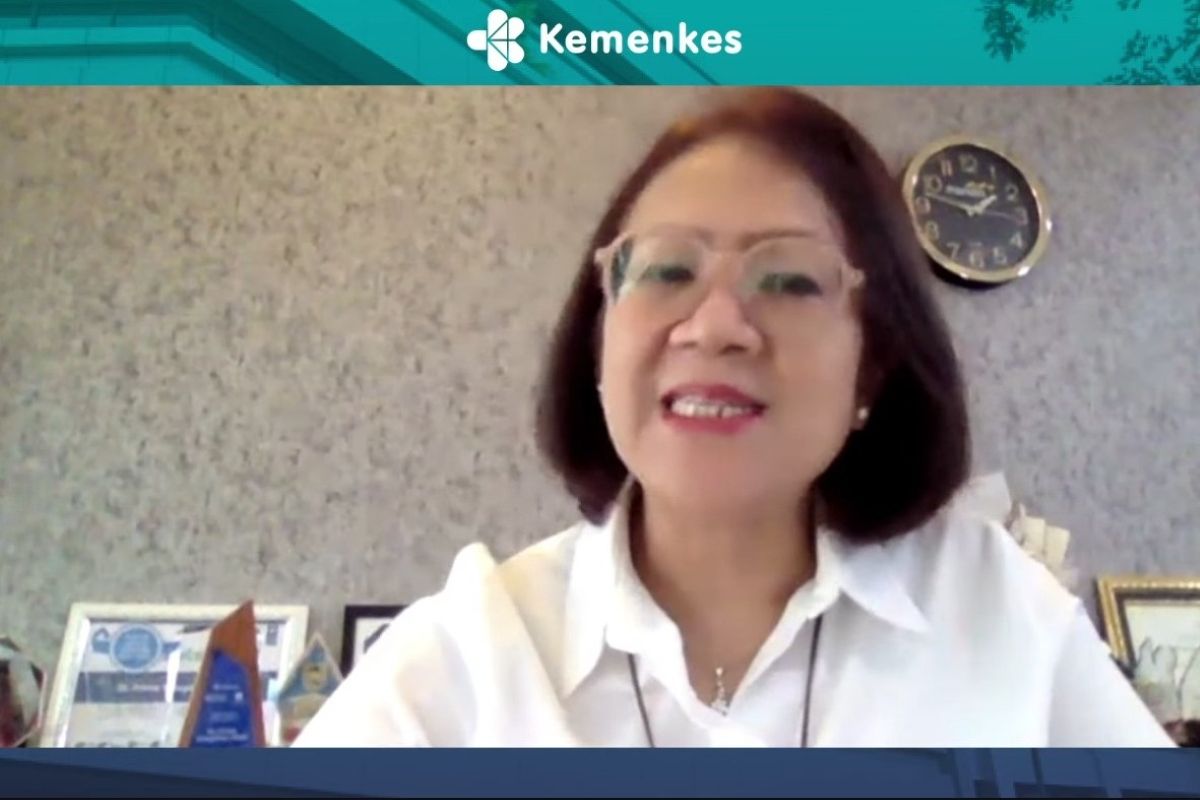
The ministry’s Director of Communicable Diseases, Prima Yosephine, noted in Jakarta on Thursday that this integration addresses several challenges, particularly regarding program commitment and funding.
This is deemed critical given that 95 percent of malaria cases in Indonesia are concentrated in Papua. Furthermore, she noted that the move is a response to the current budget efficiency policy.
“As we know, the difficult geography makes funding a challenge as well,” she said.
In this regard, she affirmed that the ministry is continuously advocating for support from regional governments and various sectors. This includes encouraging authorities in malaria-endemic areas to issue relevant regulations to support the central government’s efforts.
Yosephine noted that the next step involves preparing reagents and testing kits to ramp up malaria detection and screening.
One of the ministry’s key strategies, she continued, is to increase case-finding targets from the previous 700,000 to 800,000 cases in 2026, primarily by intensifying efforts at community health centers (puskesmas).
However, she emphasized that these efforts must be supported by the commitment and competence of personnel.
Furthermore, the Ministry of Health is also developing early detection efforts and increasing prevention and response measures, while ensuring that all treatments meet established standards.
“The next challenge involves malaria cases among specific populations working in forests. These groups remain difficult to reach, so we need a specialized breakthrough to address this,” she remarked.
Highlighting the rise of malaria cases in regions that previously declared malaria-free, she stressed that vigilance and continuous surveillance are necessary.
Efforts that must be taken include carrying out epidemiological investigations and migration surveillance in both low-endemic and malaria-free areas.
Additionally, the ministry is working to provide and improve the quality of data and supporting information for malaria prevention and control through the Malaria Surveillance Information System (SISMAL).
“Another policy is to prioritize the management of risk factors, specifically through the distribution of bed nets in high-endemic areas and vector surveillance,” Yosephine added.
Related news: Health Ministry records 412 malaria-free regions in 2026
Related news: OIKN taps local residents to rid new capital of malaria and dengue
Related news: Malaria screening in Papua increases by 337 percent in 2021-2025: Govt
Translator: Mecca Yumna, Raka Adji