
Indonesia Incorporated in Global Economic Geopolitics
Global geopolitical circumstances are increasingly unstable. Tensions in the Middle East, including the Israeli-Iranian conflict, have the potential to disrupt global energy supplies, international trade routes, and economic stability. In such conditions, a strong nation is not merely one rich in natural resources, but one possessing an independent national production base capable of competing in world trade.
Indonesia possesses strategic opportunities to strengthen its position as a major economic power in the Indo-Pacific region. However, this requires accelerating economic transformation from a raw materials exporter to a producer of high-value-added goods.
In this context, the thinking of Professor Soemitro Djojohadikusumo regarding national economic integration, which may be understood as the concept of Indonesia Incorporated, becomes relevant once more. The state must be able to integrate the strength of national production, domestic markets, and global trade expansion.
Indonesia’s Strategic Advantages
Indonesia possesses a combination of strengths rarely held by other nations: strategic world mineral reserves (nickel, bauxite, copper, tin), tropical agriculture strength (palm oil, cocoa, coffee, spices), the world’s largest maritime potential, and a large domestic market of more than 280 million people.
If managed through national industrialisation, these strengths can establish Indonesia as a centre of strategic production in the Indo-Pacific region.
Five Priority Policy Directions
- Strategic Mineral Industrialisation
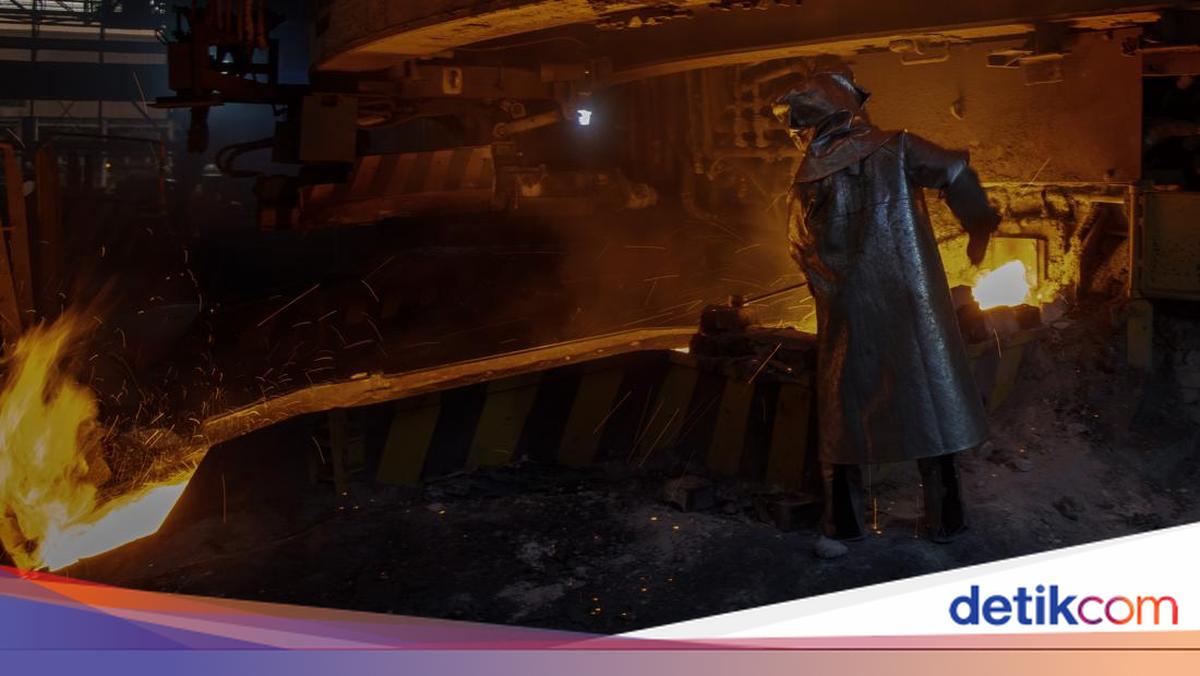
Accelerating downstream processing of national minerals to build future industries: nickel for electric vehicle batteries, bauxite for industrial aluminium, and copper for energy and electronics components. Indonesia must become the basis for the world’s future energy industry.
- National Logistics Integration
Strengthening the domestic market through: expansion of sea toll corridors, development of national hub ports, reduction of national logistics costs, and integration of domestic markets to serve as the foundation for national industrialisation.
- Agricultural and Maritime Value-Addition
Increasing value-added from tropical commodities: palm oil into oleochemicals and biofuel, seaweed for pharmaceuticals and biotechnology, and fisheries for global marine protein. Indonesia has the potential to become a force in tropical food globally.
- National Energy Security
Reducing dependence on energy imports through: palm oil-based biofuels, geothermal development, and building strategic energy reserves. This step is important to address global geopolitical uncertainty.
- Global Economic Diplomacy
Expanding markets for national industry exports through: trade diplomacy and opening new markets in Africa, South Asia, and the Middle East.
Strategic Conclusion
Indonesia possesses all the prerequisites to become a great economic power in the world: vast natural resources, a large domestic market, and a strategic geopolitical position. By integrating these strengths through an Indonesia Incorporated strategy, Indonesia can build an economy that is nationally independent, resilient in facing global crises, and competitive in world trade.
This transformation is not merely a choice of economic policy, but a strategic imperative for Indonesia’s future.