
Indonesia Faces Tough Budget Choices as Oil Prices Surge Amid Middle East Conflict
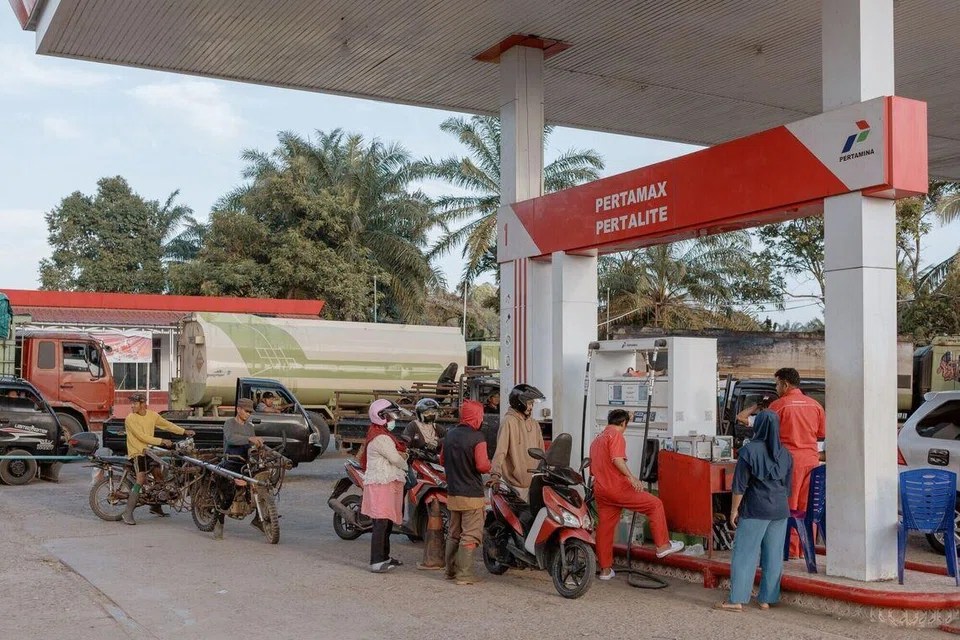
Rising energy costs may force subsidy cuts or scaling back of flagship meal programme
Indonesia is facing mounting fiscal pressure as rising global oil prices driven by the Middle East conflict threaten to disrupt its budget priorities, forcing difficult trade-offs between subsidies, social programmes, and deficit limits.
Oil Price Surge Strains Indonesia’s Budget
Global oil prices have surged past US$100 per barrel following escalating conflict in the Middle East, placing significant pressure on Indonesia’s fiscal position.
The government had originally based its 2026 budget on oil prices of around US$70 per barrel, creating a widening gap between projections and reality.
Subsidies Under Growing Pressure
Indonesia currently subsidises 30 to 40 per cent of fuel costs, with energy subsidies accounting for about 15 per cent of the national budget.
Analysts warn that maintaining these subsidies at current levels may no longer be sustainable if high oil prices persist.
Free Meal Programme in Spotlight
President Prabowo Subianto’s flagship free school meal programme, which consumes nearly 10 per cent of the national budget, is also under scrutiny.
Experts suggest the government could save up to 100 trillion rupiah by limiting the programme to regions most in need, though the policy remains politically sensitive.
Limited Options for the Government
Economists say Indonesia faces three main options:
– Reduce fuel subsidies and risk public backlash
– Cut spending on social programmes like free meals
– Exceed the legal fiscal deficit cap of 3 per cent of GDP
Past fuel price hikes have triggered unrest, making subsidy cuts a politically risky move.
Economic Risks and Market Reactions
Concerns over fiscal stability have already impacted markets, with Indonesia’s stock index falling to an eight-month low.
Meanwhile, Fitch has downgraded the country’s outlook to negative, citing policy uncertainty, though analysts note Indonesia’s debt remains relatively low at around 40 per cent of GDP.
As global energy markets remain volatile, Indonesia’s government faces a delicate balancing act between maintaining economic stability and fulfilling political promises, with key policy decisions likely to shape the country’s fiscal trajectory in the coming months.
Sources: Straits Times (2026) , CNA (2026)
Keywords: Indonesia Fuel Subsidy Cuts, Prabowo Meal Programme Budget, Oil Price Impact Indonesia, Indonesia Fiscal Deficit Risk, Southeast Asia Economy