
Indonesia Faces Public Transport Emergency: Time to Redirect Official Vehicles for Citizens' Mobility
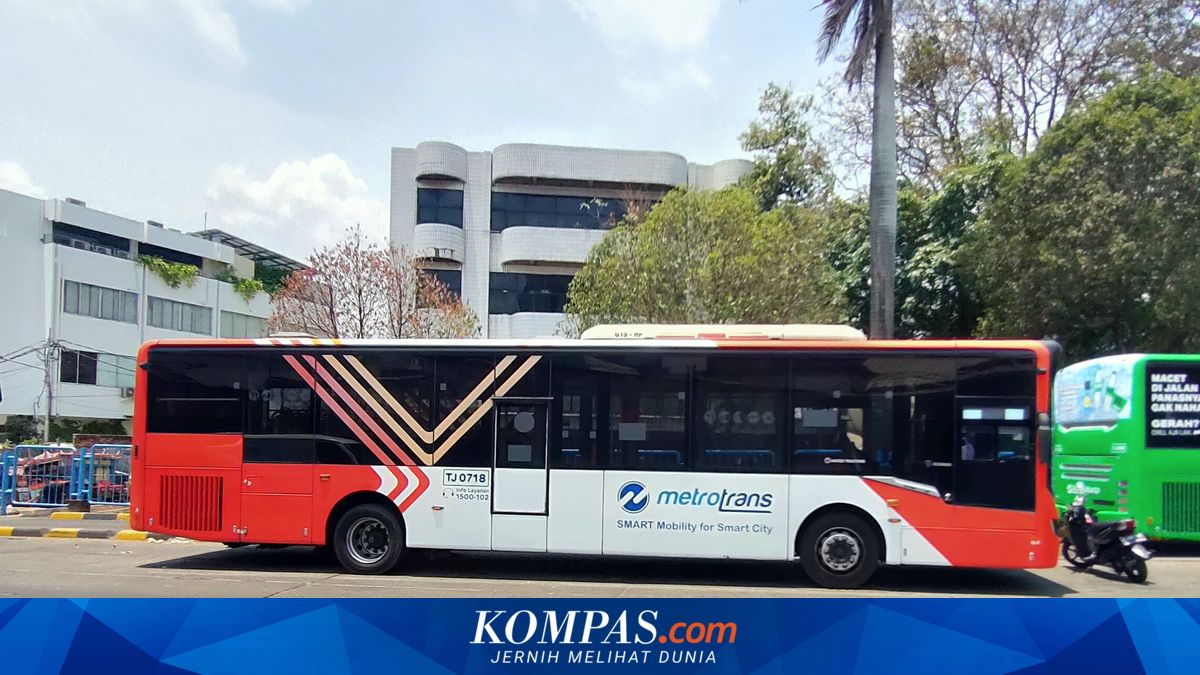
JAKARTA, KOMPAS.com - The global energy crisis stemming from the escalation of conflict in the Middle East between Iran, the United States, and Israel is beginning to pressure the economies of many countries. Pakistan has been forced to cut working days, Egypt has raised fuel prices by up to 30 per cent, while the Philippines has reduced government agency energy consumption by 20 per cent. This phenomenon reveals one key fact: countries with poor public transport systems suffer the most when world oil prices soar. One of the main points is mobility efficiency, including restrictions on official vehicles by up to 50 per cent and encouragement for civil servants to switch to public transport. However, this policy clashes with the bitter reality: our public transport system is not yet ready. To date, only Jakarta has a public transport system that is adequate in both quality and quantity. Meanwhile, in 42 other regional governments, modern public transport is starting to operate, but its presence cannot yet be relied upon for daily needs. Public facilities in many cities seem to be left to deteriorate or operate minimally until they are truly no longer roadworthy. The central government’s commitment is also in question amid budget cuts to stimulus programmes such as Teman Bus. “Local budget allocations should no longer be absorbed by excessive bureaucratic support spending, but rather returned to their function of ensuring citizens’ mobility,” said Djoko on Friday (3/4/2026). One crucial step that must be taken is revising Ministry of Home Affairs Regulation Number 7 of 2006 on the Standardisation of Regional Government Work Facilities and Infrastructure. The procurement of official vehicles for every department head triggers wasteful budget spending that is not in line with energy-saving principles. Providing transport replacement allowances is deemed far more effective because most officials already own private vehicles.