
Indonesia faces high costs in handling marine waste, says minister
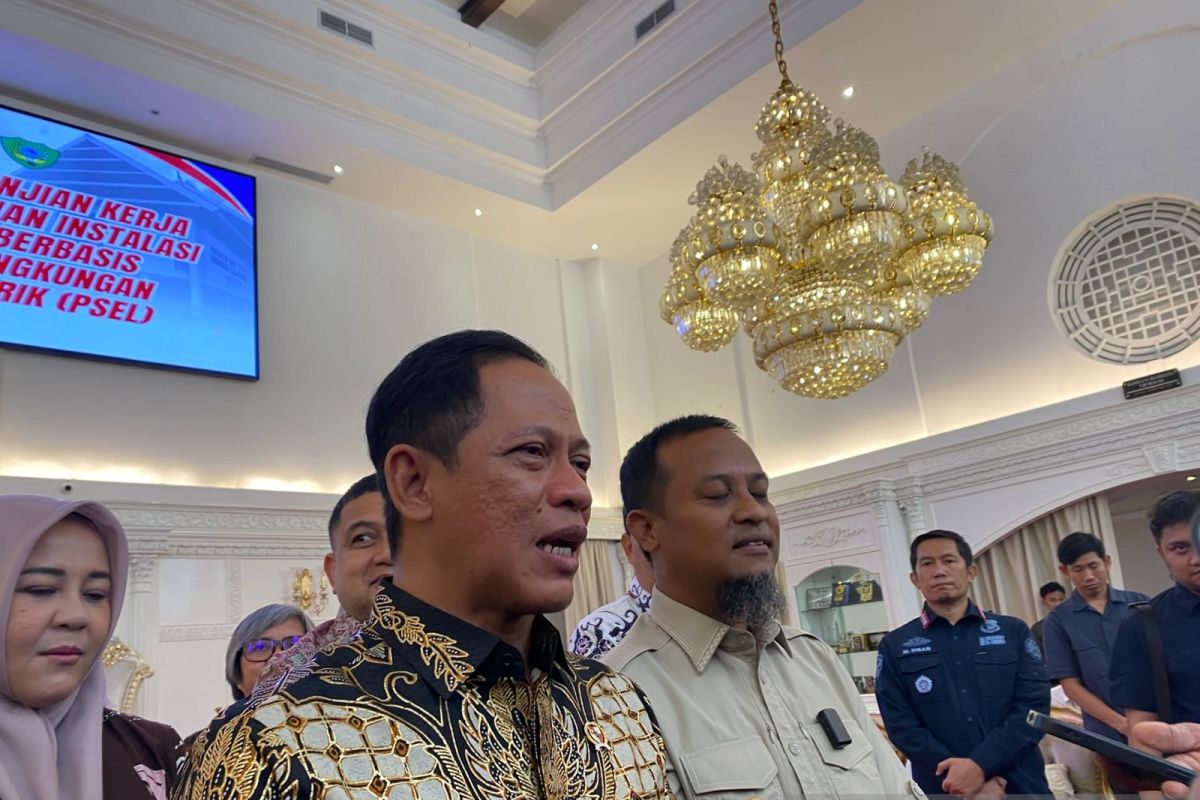
“Once waste reaches the sea, it becomes costly and complicated to handle. It cannot be processed in incinerators due to its salt content, which can produce dioxins and furans when burned,” he said here on Sunday.
Nurofiq noted that marine waste largely originates from land due to inadequate waste management onshore.
Nationally, only around 25 percent of waste is currently processed, while about 60 percent ends up in landfills. This leaves roughly 40 percent unmanaged, much of which eventually flows into the sea.
“The President has instructed that land-based waste issues be resolved by 2029. Currently, only 25 percent of national waste is processed, meaning we still need to address the remaining 75 percent within the next three years. Therefore, we will prioritize handling waste on land before tackling marine waste,” he explained.
Nurofiq also acknowledged that marine and island waste remains an unresolved issue for the ministry, but emphasized that it is a shared responsibility between the central and regional governments.
“Marine waste cannot be solely burdened on governors or mayors. We will take the most crucial handling steps, for example in Bali,” he said.
He added that efforts have been carried out in Bali, where marine waste accumulates due to ocean currents.
From September to February, coordinated operations involving the military and police are conducted to manage the waste.
In addressing marine waste, the government, through the Environment Ministry, is also preparing and refining strategic measures.
“We already have a national team for handling marine waste. However, given the vastness of our seas, strong support from governors is essential,” he said.
Related news: Prabowo orders faster rollout of waste-to-energy projects
Related news: Indonesia eyes 53 percent national waste management rate in 2026
Translator: Wardyah, Kenzu